Brown Recluse
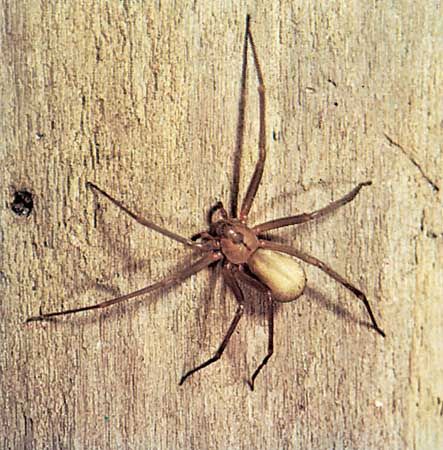
The scientific name of the brown recluse spider is Loxosceles reclusa. It belongs to the family Sicariidae, a group of spiders known for their venomous bites…
What is the scientific name of the brown recluse spider, and to which family does it belong?
The scientific name of the brown recluse spider is Loxosceles reclusa. It belongs to the family Sicariidae, a group of spiders known for their venomous bites that can cause necrotic lesions.123
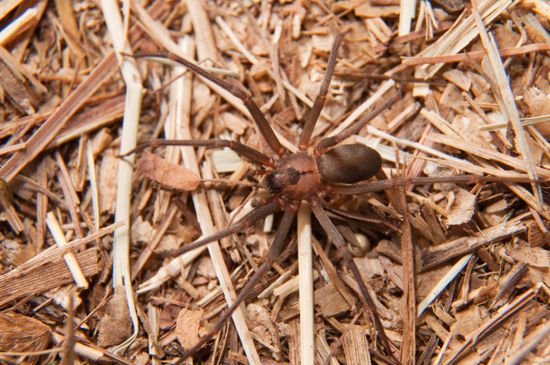
How dangerous is the venom of a brown recluse spider, and what are the symptoms of its bite?
The brown recluse spider (Loxosceles reclusa) is considered one of the most dangerous spiders in the United States due to its potent cytotoxic venom. While the spider is shy and typically only bites in defense, its venom is medically significant because it targets phospholipid molecules in cell membranes, effectively destroying the walls of blood vessels near the bite site.12
Symptoms and Effects
- Initial Sensation: The bite is often painless and may go unnoticed at the time it occurs.52
- Necrotic Lesions: The primary symptom is the development of a localized region of dead tissue, known as a necrotic lesion or skin ulcer. as a necrotic lesion or skin ulcer.2
- Healing Process: These wounds can be severe and may take several months to heal.512
- Complications: While deaths from brown recluse bites are rare, serious complications can arise if the wound becomes infected or if the victim experiences systemic reactions.512
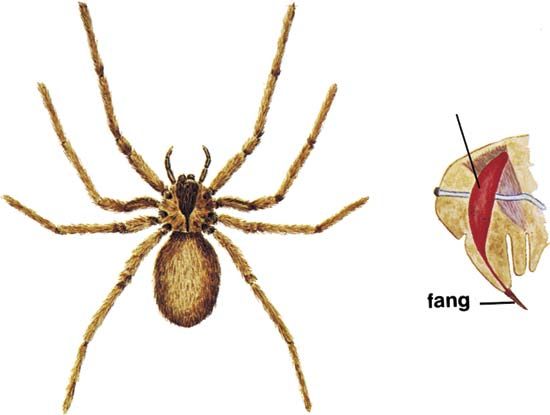
Are there any natural predators of brown recluse spiders?
Yes, brown recluse spiders have natural predators. While there is no specific list of predators that target only the brown recluse, they are a vital part of terrestrial food webs and are regularly consumed by a wide variety of animals that prey on spiders in general.8
Common predators that feed on spiders include:
- Birds8
- Lizards8
- Frogs8
- Small mammals8
- Other spiders8
- Spider wasps: Certain wasps, such as spider wasps, specialize in hunting spiders, often paralyzing them to serve as a food source for their developing larvae.8
Because brown recluse spiders inhabit protected environments like caves, rodent burrows, and undisturbed areas of buildings, they may be subject to predation by animals that frequent these same spaces.67
What are some common misconceptions about brown recluse spiders, and how do they compare to other venomous spiders?
Common misconceptions about the brown recluse spider often stem from its reputation as a highly aggressive threat. In reality, these spiders are shy and typically only bite in defense. Another frequent misunderstanding is the belief that their bites are frequently fatal; in truth, while their venom is medically significant, deaths from brown recluse bites are rare.165
When comparing the brown recluse to other venomous spiders, the primary difference lies in the nature of their venom:
- Brown Recluse (Loxosceles reclusa): Produces a cytotoxic venom that targets phospholipid molecules in cell membranes. This causes localized tissue death, or necrotic lesions, which can take months to heal.619
- Black Widow (Latrodectus): Unlike the recluse, the black widow produces a neurotoxic venom that affects the nervous system. Symptoms typically include severe muscle pain, cramping, and nausea rather than localized tissue necrosis.789
- Other Species: While some other spiders, such as sac spiders, can occasionally cause necrotic lesions, the brown recluse remains one of the most dangerous species in North America due to the potency of its cytotoxin.189
Sources
- brown recluse spider — Merriam-Webster
- spider - Venom — Encyclopædia Britannica
- list of arachnids — Encyclopædia Britannica
- homopteran - Annotated classification — Encyclopædia Britannica
- brown recluse: Top Questions — Encyclopædia Britannica
- 9 of the World’s Deadliest Spiders - Brown Recluse Spider ( Loxosceles reclusa ) — Encyclopædia Britannica
- brown recluse — Encyclopædia Britannica
- spider - Importance — Encyclopædia Britannica
- 9 of the World’s Deadliest Spiders - Black Widow Spider ( Latrodectus mactans ) — Encyclopædia Britannica
Published on · 3 min read