Arachnid
The class Arachnida comprises approximately 90,000 species organized into 13 distinct orders. These chelicerate arthropods are characterized by a body…
What are the different subgroups or orders within the arachnid class?
The class Arachnida comprises approximately 90,000 species organized into 13 distinct orders. These chelicerate arthropods are characterized by a body divided into two main regions: the prosoma (cephalothorax) and the opisthosoma (abdomen).1
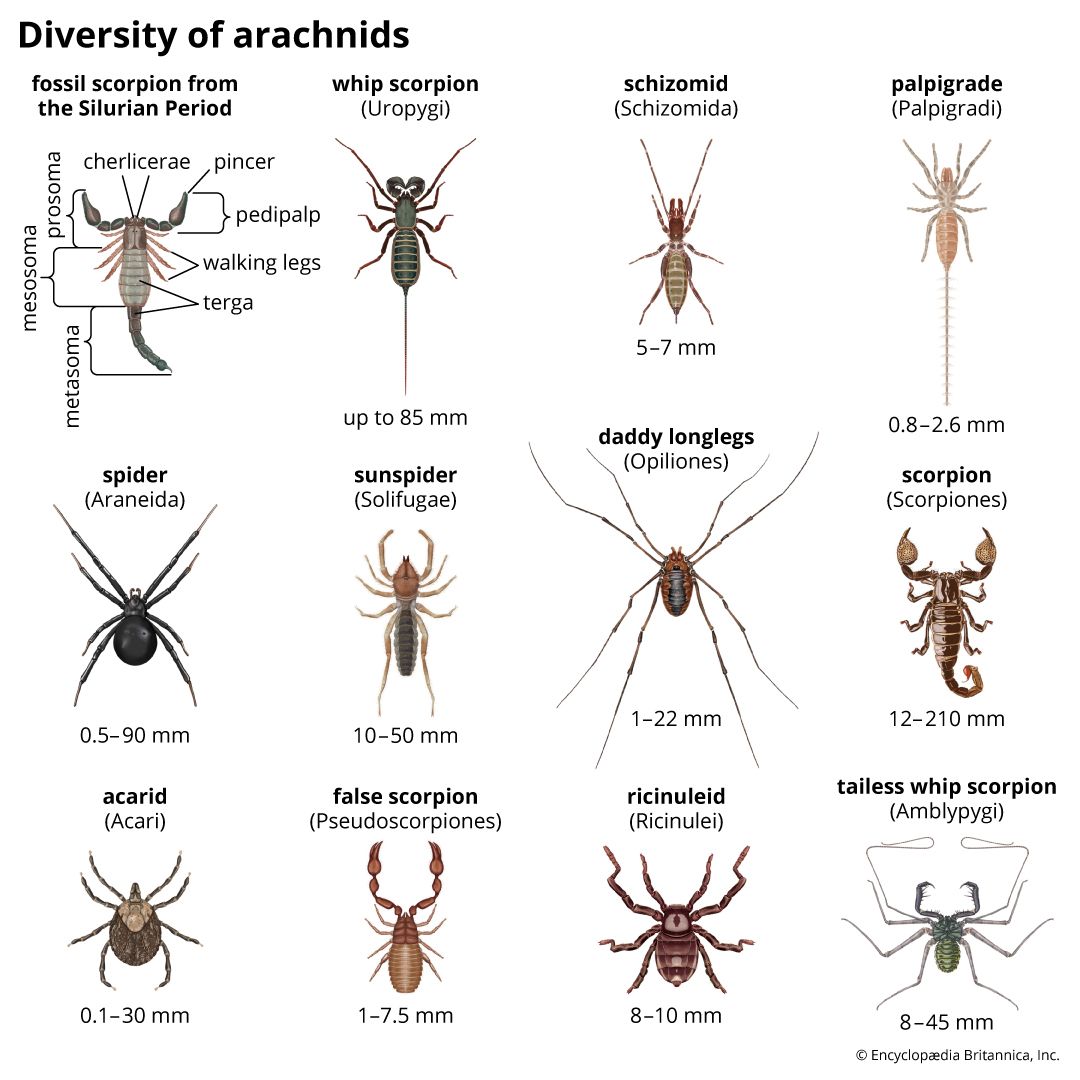
The primary orders within the class include:
- Araneae: Spiders, which possess an unsegmented abdomen and produce silk via spinnerets.12
- Opiliones: Commonly known as daddy longlegs or harvestmen.1
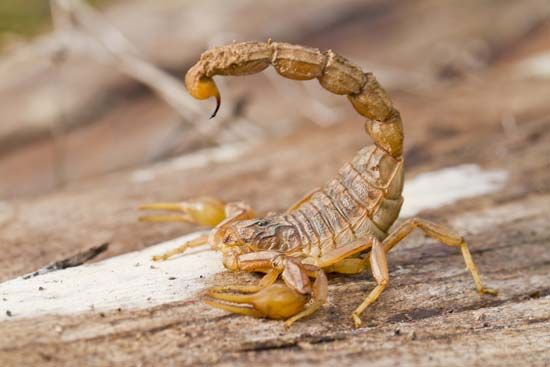
- Scorpiones: Scorpions, recognized by their pincerlike chelicerae and a tail ending in a stinger.1
- Pseudoscorpiones: False scorpions, which are small and often have subdivided abdomens.1
- Solifugae: Sunspiders or wind scorpions.1
- Uropygi: Whip scorpions or vinegarroons, featuring a long, whiplike telson.1
- Amblypygi: Tailless whip scorpions, characterized by long, strong pedipalps.1
- Schizomida: Small, primarily tropical arachnids.1
- Palpigradi: Micro whip scorpions, which are very small and lack eyes.1
- Ricinulei: Rare, primarily tropical arachnids.1
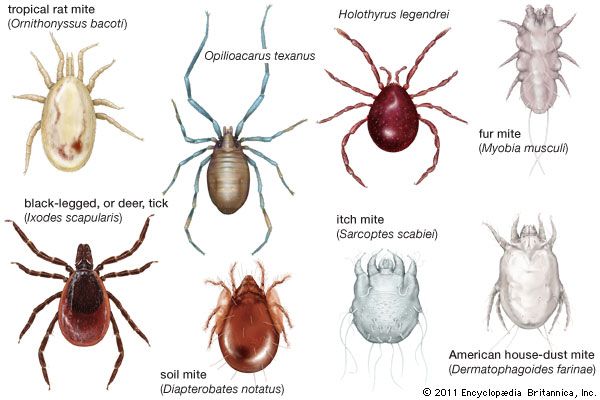
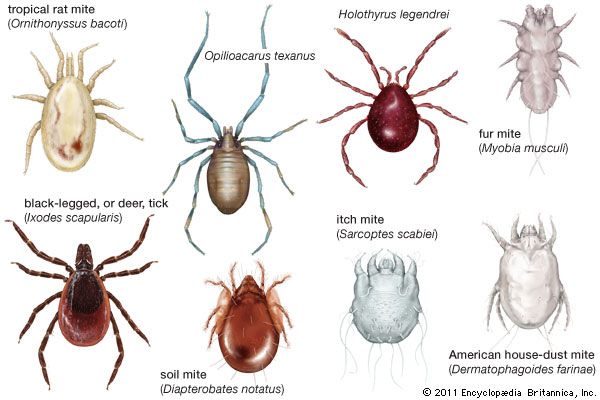
Additionally, the subclass Acari (mites and ticks) contains several superorders, including Acariformes, Parasitiformes, and Opilioacariformes.1
What are some common examples of arachnids and their unique features?
Arachnids are a diverse class of arthropods that include spiders, scorpions, daddy longlegs, and mites and ticks. While they vary significantly in appearance, they share several defining characteristics and unique adaptations.78
Common Examples and Unique Features
- Spiders (Order Araneae): Distinguished by two main body sections—the cephalothorax and the abdomen—connected by a narrow stalk called a pedicel. They are famous for their spinnerets, which produce silk, and their chelicerae, which function as fangs to inject venom into prey.79
- Scorpions (Order Scorpiones): Known for their pincerlike pedipalps and a segmented abdomen that terminates in a stinger connected to a poison gland. They retain more primitive features than most other arachnids, including a clearly segmented tail.7105
- Daddy Longlegs (Order Opiliones): Unlike spiders, these arachnids have a single, fused body region. They lack venom glands and silk-producing organs, and their second pair of legs often functions as tactile organs.79
- Mites and Ticks (Subclass Acari): These are the most abundant arachnids. They often lack external body segmentation and vary widely in lifestyle, ranging from free-living soil dwellers to parasites that can transmit diseases.8105
- Tailless Whip Scorpions (Order Amblypygi): These arachnids use their first pair of legs as specialized, elongated tactile organs to navigate their environment.7
Most arachnids are predatory and lack jaws, instead injecting digestive fluids into their prey to liquefy it before consumption.7
How have arachnids and arthropods evolved over time?
The evolution of arthropods and arachnids is a complex history marked by the transition from aquatic environments to terrestrial life and significant anatomical modifications.512
Evolutionary Origins
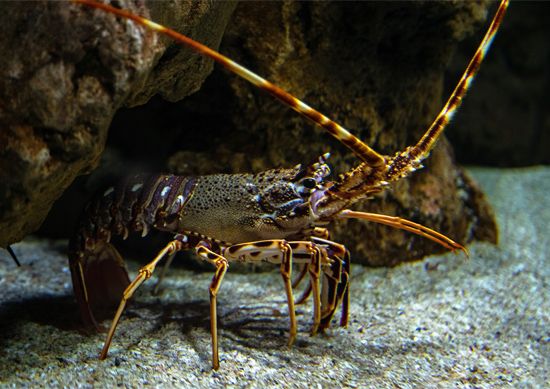
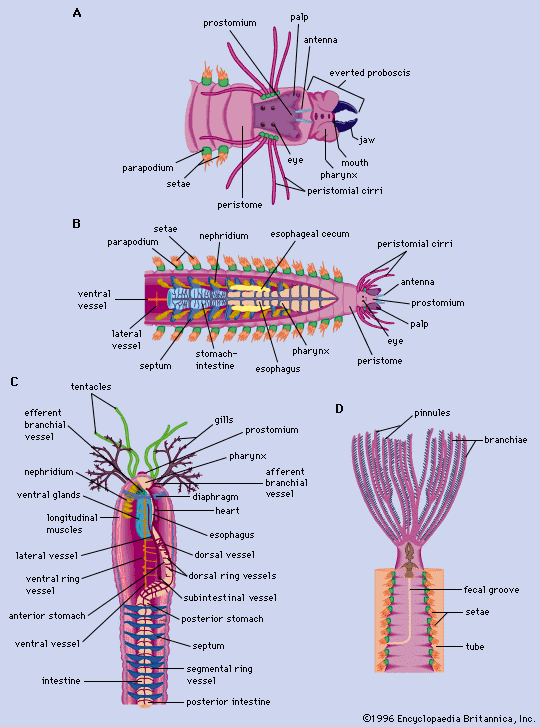
Arthropods likely arose in the Precambrian times, potentially a billion years ago, and share a common ancestry with the phylum Annelida due to similarities in segmentation and nervous system structure. By the Cambrian Period, major lines such as trilobites, crustaceans, and chelicerates were already established.12135
Arachnid Development
A defining trend in arachnid evolution is the fusion or loss of body segments. While scorpions retain primitive features like a segmented tail, spiders and mites represent more highly evolved forms where abdominal segmentation is reduced or lost.5
The transition to land was a pivotal evolutionary event, requiring major physiological shifts, such as the development of enclosed book lungs to replace external gills. Early arachnids, including scorpion-like ancestors, were likely aquatic or amphibious, sharing features with the extinct eurypterids. Fossil records indicate that terrestrial arachnids were present by the Devonian Period, with spiders appearing by the Carboniferous Period.5712
What are the main characteristics that define arachnids and arthropods?
Arthropods and arachnids are defined by specific anatomical features that have allowed them to thrive in diverse environments across the globe.15
Defining Characteristics of Arthropods
The phylum Arthropoda is the largest in the animal kingdom, characterized by several key traits:15
- Exoskeleton: They possess a tough, nonliving outer covering composed of chitin bound to protein. This structure provides protection and, in terrestrial species, acts as a waterproof barrier to prevent desiccation.157
- Segmentation and Appendages: Their bodies are typically segmented, and they feature paired, jointed appendages—a trait from which the name “arthropod” (meaning “jointed feet”) is derived.15
- Molting: Because the exoskeleton is rigid, arthropods must undergo molting (ecdysis) to grow, shedding their old shell to reveal a new, larger one.7
Defining Characteristics of Arachnids
Arachnids are a class within the subphylum Chelicerata. Their defining features include:15
- Body Regions: Most arachnids have bodies divided into two distinct regions: the cephalothorax (prosoma) and the abdomen (opisthosoma). In some groups, such as daddy longlegs and mites, these regions are fused into a single unit.1617
- Appendages: They possess six pairs of appendages. The first pair, the chelicerae, are often pincerlike or modified into fangs for injecting venom. The second pair, the pedipalps, function primarily as sensory organs.17
- Feeding: Arachnids generally lack jaws. Most are predatory and inject digestive fluids into their prey to liquefy it before consumption.17
Sources
- list of arachnids — Encyclopædia Britannica
- arachnid - Distinguishing taxonomic features — Encyclopædia Britannica
- Did you know? — Merriam-Webster
- arachnid - Annotated classification — Encyclopædia Britannica
- arachnid - Evolution and paleontology — Encyclopædia Britannica
- spider - Annotated classification — Encyclopædia Britannica
- arachnid - Body and appendages — Encyclopædia Britannica
- arachnid — Encyclopædia Britannica
- spider: Top Questions — Encyclopædia Britannica
- arachnid - Ecology and habitats — Encyclopædia Britannica
- arachnid - Distribution and abundance — Encyclopædia Britannica
- arthropod - Evolution and paleontology — Encyclopædia Britannica
- insect - Origin of insects — Encyclopædia Britannica
- scorpion - Evolution and paleontology — Encyclopædia Britannica
- arachnid - Form and function — Encyclopædia Britannica
- arthropod — Encyclopædia Britannica
- Integument - Arthropods — Encyclopædia Britannica
Published on · 4 min read