Brown Tree Snake
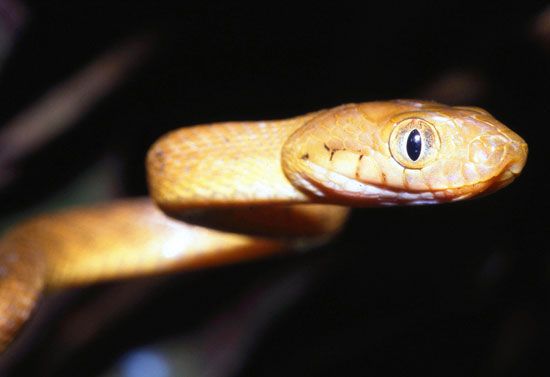
The reproductive habits of the brown tree snake (Boiga irregularis) are not fully understood, though some studies suggest breeding may occur year-round…
How does the brown tree snake reproduce, and what is its life cycle?
The reproductive habits of the brown tree snake (Boiga irregularis) are not fully understood, though some studies suggest breeding may occur year-round, while others indicate it is triggered by cooler seasonal temperatures. A unique feature of their reproduction is the female’s ability to store a male’s sperm for up to several years until fertilization is required.1
Regarding their life cycle:
- Egg Deposition: Females deposit up to two clutches of eggs per year, with each clutch containing as many as 12 eggs. These are placed in dark, humid environments—such as caves, hollow logs, or rock crevices—to prevent dehydration.1
- Development: The eggs have leathery outer coverings that harden over time, often causing the clutch to clump together. The species does not incubate its eggs or provide parental care.1
- Hatching: Hatchlings emerge after approximately 90 days and must immediately fend for themselves. At birth, they average about 38 cm (15 inches) in length and grow to reach 1–2 metres (3–7 feet) as adults, though some can grow up to 3 metres.1
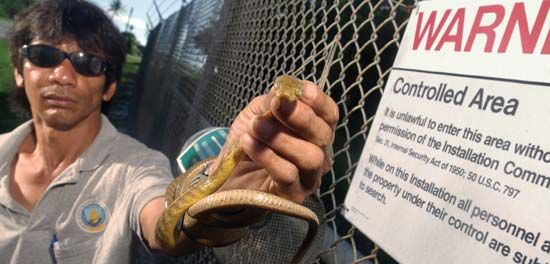
What are the main prey species of the brown tree snake in its native habitat versus invaded areas?
The brown tree snake is a voracious predator that consumes a wide variety of small vertebrates and carrion. While the provided search results do not explicitly distinguish between a unique “native” versus “invaded” diet, they clarify that the snake’s prey selection is primarily determined by the snake’s own size and the availability of local fauna.
Prey Selection by Size
- Younger, smaller snakes: Typically hunt small birds, amphibians, small lizards, other reptiles, and the eggs of these animals. the eggs of these animals.1
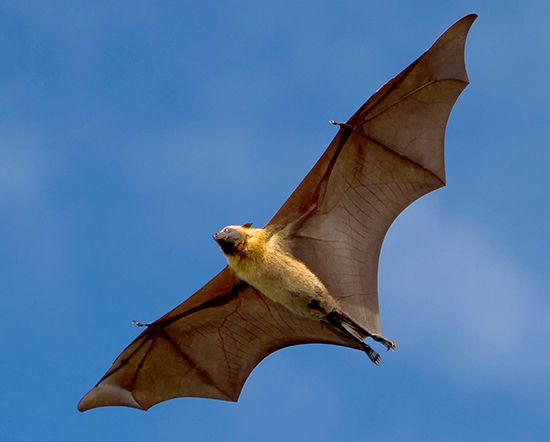
- Larger snakes: Frequently prey upon larger lizards, birds, and small mammals, such as bats and rodents.1
Impact in Invaded Areas
In invaded regions like Guam, the snake has devastated local ecosystems by eliminating native species that had no evolutionary defenses against such a predator. This includes:
- Two endemic bird species and several species of seabirds.1
- Two of Guam’s three native bat species.1
- Various species of amphibians and native lizards.1
Because the snake is a generalist predator, it adapts to the available vertebrate population in its environment, often leading to the collapse of local food webs when introduced to new habitats.1
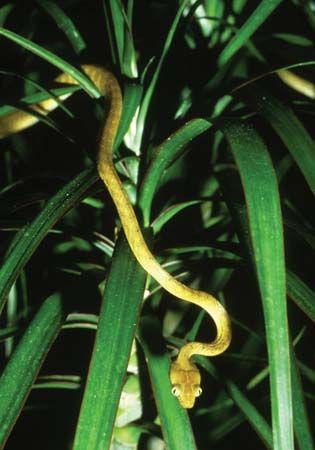
What are the economic impacts of the brown tree snake invasion in affected areas?
The economic impacts of the brown tree snake invasion, particularly on the island of Guam, are significant and multifaceted. While much of the focus is often placed on the ecological devastation—such as the loss of native bird and bat species—the snake also imposes direct costs on human infrastructure and services.
- Infrastructure Damage: The snakes frequently climb utility poles and crawl into electrical transmission equipment. This behavior causes numerous power outages, which disrupt daily life, commerce, and essential services on the island.1
- Ecological and Agricultural Costs: By eliminating native frugivorous (fruit-eating) birds, the snake has disrupted natural seed dispersal processes. This has led to population declines in important fruit trees, such as Premna serratifolia and Psychotria mariana, which may have long-term implications for the island’s forest health and potential agricultural or resource-based activities.5
- Management and Prevention: The ongoing need to monitor and control snake populations to prevent their spread to other vulnerable areas, such as the Hawaiian Islands, requires significant investment in wildlife management and biosecurity measures.5
How did the brown tree snake arrive in Guam, and when was it first detected?
The brown tree snake was first sighted on Guam in 1953. It is believed to have been introduced to the island sometime after 1944, during the final days of World War II, when Guam served as a major military base and transfer point for Allied forces.13
While some reports have suggested the snakes were deliberately introduced to control native rodent populations, it is considered more likely that the original invaders arrived as accidental stowaways aboard military aircraft and cargo ships arriving from the Solomon Islands.1
Sources
- brown tree snake — Encyclopædia Britannica
- snake - Egg formation and laying — Encyclopædia Britannica
- brown tree snake — Merriam-Webster
- What eats snakes? — Encyclopædia Britannica
- Guam - Land — Encyclopædia Britannica
Published on · 3 min read