Bruce Peninsula
The Bruce Peninsula is a prominent peninsula located in southeastern Ontario, Canada. It serves as an extension of the Niagara Escarpment and projects…
What is Bruce Peninsula?
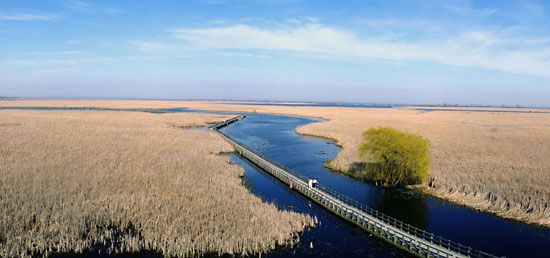
The Bruce Peninsula is a prominent peninsula located in southeastern Ontario, Canada. It serves as an extension of the Niagara Escarpment and projects northwestward for approximately 60 miles (100 km) into Lake Huron, effectively separating the lake from Georgian Bay.123
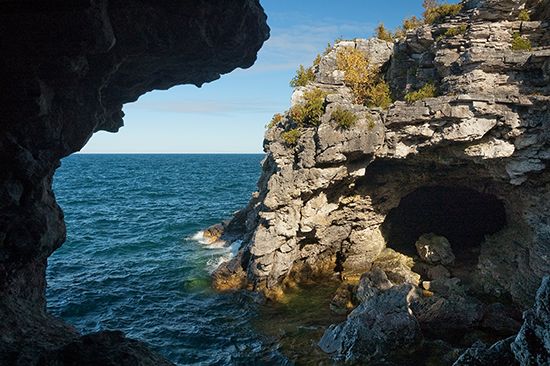
The landscape is characterized by a rugged eastern coast that rises abruptly to heights of 200–500 feet (60–150 m), while the land slopes more gradually toward the west. Although the region is not well-suited for agriculture, it is a popular destination for tourism and outdoor recreation. Significant portions of the area are protected within the Bruce Peninsula National Park, and the surrounding waters, which include Flowerpot Island, are part of the Fathom Five National Marine Park. The town of Tobermory is situated at the northern tip of the peninsula, with other notable towns including Owen Sound and Wiarton.1
What is the Niagara Escarpment?
The Niagara Escarpment is a prominent North American ridge that extends over 650 miles (1,050 km) from southeastern Wisconsin through the Bruce Peninsula and eastward to New York.24
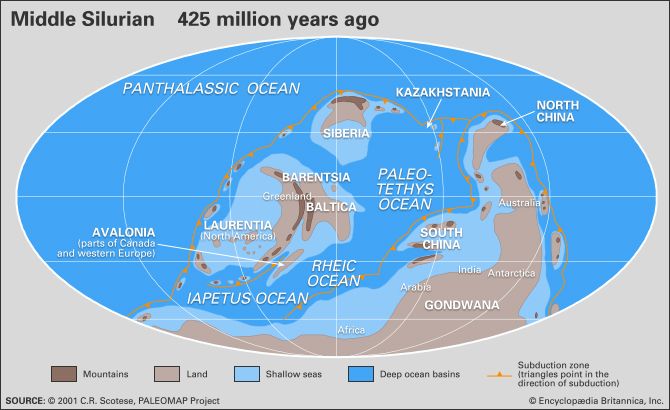
Formed during the Silurian Period, the escarpment is the eroded headland of hard dolomite rock. Because this dolomite is more resistant to weathering and glaciation than the underlying softer shale, the ridge maintains a steep, forested crest that stands 250 to 1,000 feet (75 to 300 meters) above the surrounding lowlands.25
The escarpment is perhaps most famous for the Niagara Falls, where the Niagara River cuts through the rock layers. Beyond its geological significance, the ridge shelters the Niagara fruit belt and provides a dramatic landscape for recreation, including a long-distance nature trail.254
What makes Fathom Five National Marine Park unique?
Fathom Five National Marine Park is unique primarily for its location and the features it protects within the offshore waters of the Bruce Peninsula.
Situated at the northern tip of the peninsula near the town of Tobermory, the park encompasses a significant aquatic environment that includes Flowerpot Island. As a national marine park, it serves to preserve the distinct ecological and geological characteristics of the area where Lake Huron meets Georgian Bay. Its designation highlights the importance of protecting the submerged landscapes and natural features associated with the Niagara Escarpment as they extend into the Great Lakes.1
How are dolomite rock formations created?
Dolomite rock formations, or dolostones, are primarily created through a process called dolomitization. This involves the chemical alteration of limestone when it comes into contact with magnesium-rich water. During this process, the mineral dolomite—calcium and magnesium carbonate, CaMg(CO3)2\text{CaMg(CO}_3)_2—replaces the calcite (CaCO3\text{CaCO}_3) within the rock, often resulting in large-scale recrystallization.6
While the exact origins of many dolomite-rich rocks remain a subject of scientific debate, several models suggest that this conversion occurs through the interaction of sedimentary rocks with various fluids, including seawater, brines, connate water, or meteoric water. Key variables influencing this transformation include:7
- Time and Location: The process can occur shortly after deposition or long after deep burial.7
- Fluxing Mechanisms: The movement of magnesium-rich solutions through the rock is driven by density differences and the rock’s permeability.7
- Environmental Factors: Factors such as pH levels, temperature, the presence of bacteria, and the concentration of sulfate ions play critical roles in facilitating or retarding the process.7
Sources
- Bruce Peninsula — Encyclopædia Britannica
- Niagara Escarpment — Encyclopædia Britannica
- Bruce — Merriam-Webster
- How was Niagara Falls formed? — Encyclopædia Britannica
- Ontario - Relief — Encyclopædia Britannica
- dolomitization — Encyclopædia Britannica
- dolomite - Origin and occurrence — Encyclopædia Britannica
Published on · 2 min read