Bryony
Bryony refers to a genus (Bryonia) of approximately 12 species of climbing herbaceous vines belonging to the gourd family (Cucurbitaceae). These perennial…
What is bryony?
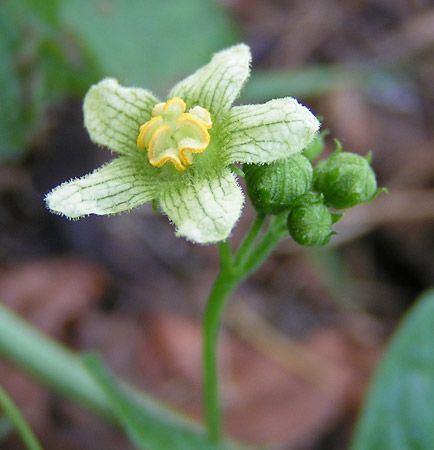
Bryony refers to a genus (Bryonia) of approximately 12 species of climbing herbaceous vines belonging to the gourd family (Cucurbitaceae). These perennial plants are native primarily to Eurasia and North Africa, characterized by their tendrils and berries. It is important to note that most species within this genus are poisonous.1
Common varieties include:
- Cretan bryony (Bryonia cretica): Features a fleshy white root and red fruits; it contains the toxic alkaloid bryonin.1
- White bryony (B. alba): Distinguished by its black berries.1
- Red bryony (Bryonia dioica): Another species often identified by this common name.2
Additionally, the term is sometimes applied to the unrelated black bryony (Dioscorea communis), which belongs to the yam family (Dioscoreaceae) and also features poisonous fruits and tubers.1
What are some other plants in the gourd family?
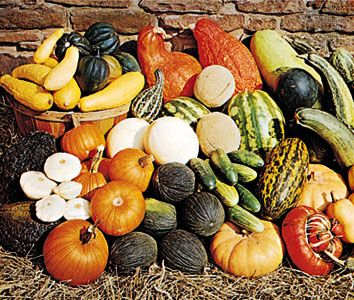
The Cucurbitaceae family, commonly known as the gourd family, comprises approximately 98 genera and 975 species of flowering plants. These plants are typically fast-growing, prostrate, or climbing vines that thrive in temperate and tropical regions.34
Beyond bryony, the family includes many well-known food and ornamental crops:
- Melons and Cucumbers: Watermelon, cucumber, gherkin, muskmelon, and musk cucumber.4
- Squashes and Pumpkins: Various types of squash, including zucchini, pumpkin, calabazilla, and winter squash.4
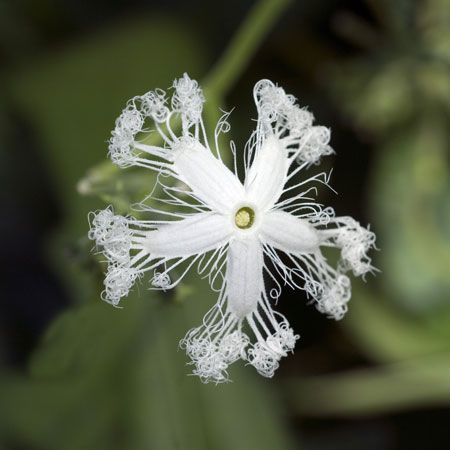
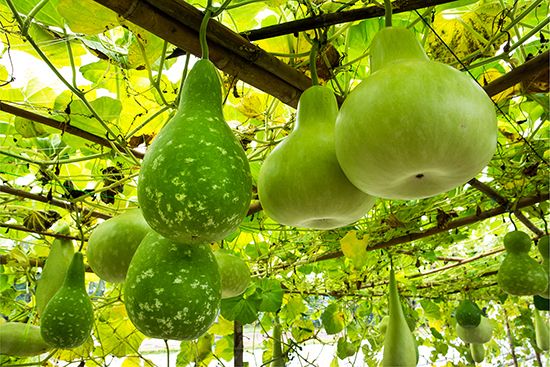
- Gourds and Others: Bottle gourd, wax gourd, snake gourd, yellow-flowered gourd, chayote, loofah, bur cucumber, and colocynth.4
These plants are characterized by their tendrils and their distinct fruit, known as a pepo, which is typically a fleshy, many-seeded berry with a tough rind.34
How do tendrils help climbing vines grow?
Tendrils are specialized plant organs—often modified leaves, leaflets, or stem branches—that allow climbing vines to anchor themselves and grow upward. These slender, threadlike structures are highly sensitive to touch, a response known as thigmotropism.
When a tendril brushes against an object, it curves toward the contact point and wraps around it. This process is supported by several mechanisms:
- Sensitivity: Tendrils are prehensile; when stimulated by contact, they coil around the object to secure the plant.5
- Structural Reinforcement: Once attached, the tendril develops strong mechanical tissue called sclerenchyma, which provides the necessary strength to support the weight of the growing vine.5
- Adhesion: Some species produce terminal enlargements that flatten against surfaces and secrete an adhesive, effectively cementing the plant to its substrate.5
By utilizing these structures, vines can efficiently climb toward light and space without needing to invest energy in thick, self-supporting woody stems.56
What are some common poisonous plants found in gardens?
Many common garden plants contain toxic compounds that can be harmful or fatal if ingested or touched. While these plants are often grown for their aesthetic appeal, it is important to be aware of their potential risks to humans and pets.
Common Garden Plants with Toxic Properties
- Castor Bean: Widely grown as an ornamental, this plant contains ricin, a highly toxic protein. Ingesting even a small number of seeds can be fatal to children and adults.8
- Oleander: A popular hedge plant, all parts of the oleander are deadly. It contains cardiac glycosides that can cause severe heart issues, seizures, and death if eaten.8
- Monkshood (Aconite/Wolfsbane): This plant contains aconite, an extremely potent toxin that can cause respiratory distress, muscular uncoordination, and death.910
- Jimsonweed: Often found in gardens, this plant contains scopolamine and other alkaloids. Ingestion can lead to mental confusion, convulsions, and death, particularly in children who may be attracted to the flowers or seeds.910
- Dumbcane: Widely cultivated, this plant contains calcium oxalate, which causes intense irritation, swelling of the tongue, and difficulty breathing if ingested.9
- Lilies: While beautiful, true lilies (Lilium species) and daylilies are highly toxic to cats, causing acute kidney failure even from small exposures like licking pollen.11
- Foxglove: Known for its striking flowers, it contains glycosides that can cause irregular heartbeats, nausea, and fatal cardiac events.9
Safety Considerations
It is essential to exercise caution when planting these species, especially in homes with children or pets. If you suspect someone has ingested a poisonous plant, seek medical attention or contact a poison control center immediately.
Sources
- bryony — Encyclopædia Britannica
- red bryony — Merriam-Webster
- Cucurbitaceae — Encyclopædia Britannica
- list of plants in the family Cucurbitaceae — Encyclopædia Britannica
- Tendril — Encyclopædia Britannica
- Did you know? — Merriam-Webster
- tendril — Merriam-Webster
- poison - Plant poisons (phytotoxins) — Encyclopædia Britannica
- 7 of the World’s Deadliest Plants — Encyclopædia Britannica
- Why Are Lilies Toxic to Cats? — Encyclopædia Britannica
- toxins Are Often Found in Nature — Merriam-Webster
Published on · 3 min read