Bottle Gourd
Bottle gourds, also known as calabashes (Lagenaria siceraria), are versatile natural materials used globally to construct a wide variety of musical…
How are bottle gourds used in traditional musical instruments?
Bottle gourds, also known as calabashes (Lagenaria siceraria), are versatile natural materials used globally to construct a wide variety of musical instruments. Their hard, resonant shells make them ideal for several categories of sound production:12
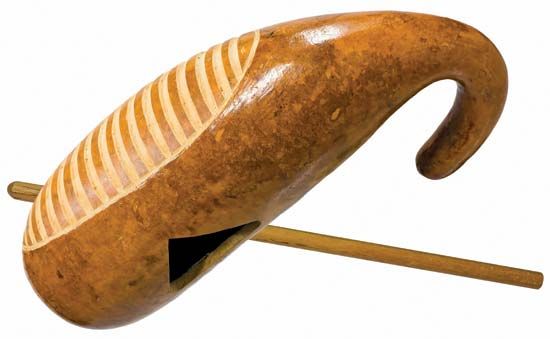
- Rattles and Percussion: Gourds are frequently used as containers for rattles, such as the West African shekere or Latin American maracas, where they are filled with seeds, pebbles, or beads. Other percussion instruments include the Latin American guiro and the Indian kanjira. In some traditions, inverted half-calabashes are struck to produce rhythmic sounds.134
- Stringed Instruments: The gourd acts as a resonator for various stringed instruments, including the Indian sitar and tanpura, as well as the Gambian kora.1
- Wind Instruments: Gourd components are utilized in the construction of various mouth organs found throughout East and Southeast Asia.1
- Other Uses: They can also serve as stamping tubes or be fashioned into scrapers (rasps) by notching the surface.43
Beyond their acoustic properties, these instruments often hold deep cultural or spiritual significance, sometimes representing creation or facilitating communication with the spirit realm.3
What are the unique characteristics of the bottle gourd fruit’s shape and size?
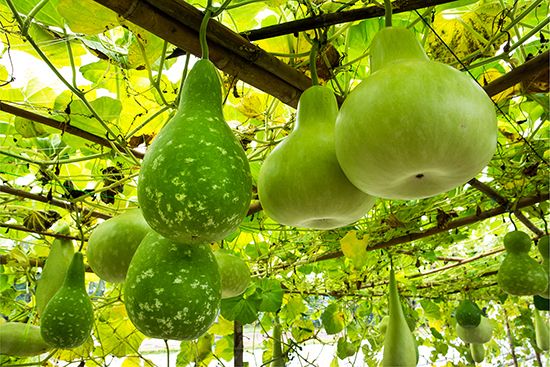
The bottle gourd (Lagenaria siceraria) is characterized by its remarkable diversity in form and size, which is a result of extensive cultivation for specific functional and ornamental purposes.2
Shape and Size Variations
The fruits of the bottle gourd are highly variable, with many forms named directly after their distinct shapes, such as:
- Club
- Dipper
- Dolphin
- Kettle
- Trough2
In terms of size, these fruits can grow to be quite substantial, with some cultivated varieties reaching lengths exceeding 1 meter (approximately 3 feet). As a member of the Cucurbitaceae family, the fruit is botanically classified as a pepo—a fleshy, many-seeded berry protected by a tough, hard rind. To achieve well-shaped and unblemished fruits, the plants typically require fertile, well-drained soil and structural support such as a trellis, fence, or wall for the vines to climb.21
How do bottle gourds differ from other gourd species in the Cucurbitaceae family?
While all members of the Cucurbitaceae family share characteristics such as being herbaceous vines with tendrils and producing fleshy, many-seeded fruits known as pepos, the bottle gourd (Lagenaria siceraria) is distinct in several ways:
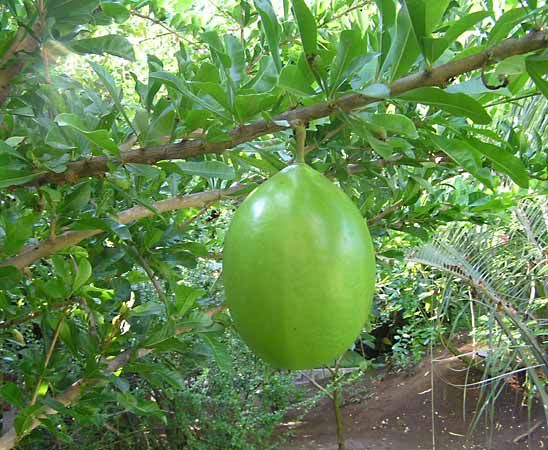
- Genus Classification: The bottle gourd is the sole species within the genus Lagenaria, whereas other common gourds belong to different genera, such as Cucurbita (which includes squash and pumpkins) or Cucumis (which includes melons and cucumbers).516
- Utility of the Shell: While many gourds are grown for food or decoration, the mature fruit of the bottle gourd is uniquely prized for its exceptionally hard, dry shell. This makes it a primary choice for crafting durable, functional objects like bowls, ladles, spoons, and various musical instruments across many cultures.75
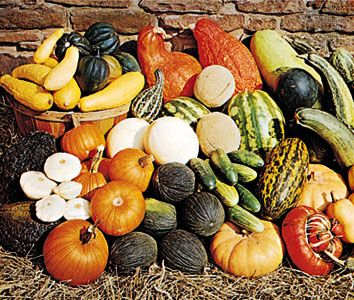
- Morphology: As its name implies, the Lagenaria fruit is characterized by its bottle-like shape, which differs from the diverse forms found in other species like the yellow-flowered gourd or the elongated snake gourd.568
What are the various uses of bottle gourds in different cultures around the world?
The bottle gourd (Lagenaria siceraria) has been cultivated for centuries across warm climates, serving as a versatile resource for both sustenance and craftsmanship. Its utility varies significantly depending on the stage of the fruit’s development and the cultural context of its use.2
Culinary and Ornamental Uses
When harvested young, the bottle gourd is edible and commonly prepared as a vegetable. Beyond its culinary value, the plant is frequently grown as an ornamental. Its dense foliage and showy white flowers make it a popular choice for creating natural screens or decorative garden features.2
Utilitarian and Cultural Applications
The mature fruit is prized for its exceptionally hard, durable shell, which has been adapted into a vast array of functional objects globally:
- Containers and Utensils: The dried shells are fashioned into water bottles, cups, bowls, scoops, ladles, and spoons.21
- Crafts and Housing: They are often repurposed into birdhouses, lamps, and various fancy ornaments.2
- Musical Instruments: Gourds are integral to the musical traditions of nearly every continent. Examples include:
Sources
- gourd — Encyclopædia Britannica
- Bottle gourd — Encyclopædia Britannica
- African music - Rhythmic idiophones — Encyclopædia Britannica
- Native American music - Idiophones — Encyclopædia Britannica
- bottle gourd — Merriam-Webster
- Cucurbitales - Cucurbitaceae — Encyclopædia Britannica
- list of plants in the family Cucurbitaceae — Encyclopædia Britannica
- Lagenaria — Merriam-Webster
- Yellow-flowered gourd — Encyclopædia Britannica
Published on · 4 min read