Bur Cucumber
Bur cucumber refers to a genus (Sicyos) of approximately 60 species of climbing or prostrate vines belonging to the gourd family (Cucurbitaceae). These…
What is bur cucumber?
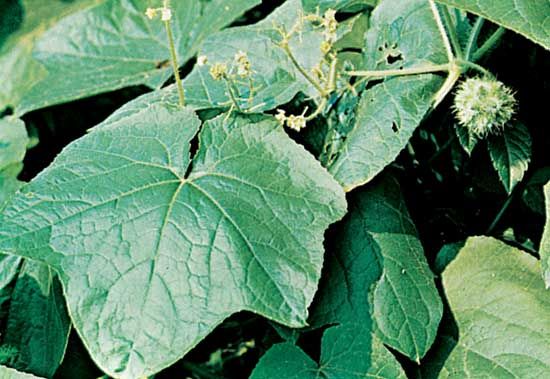
Bur cucumber refers to a genus (Sicyos) of approximately 60 species of climbing or prostrate vines belonging to the gourd family (Cucurbitaceae). These plants are characterized by sticky, hairy stems, sharply lobed leaves, and forked tendrils used for climbing. They produce clusters of five-petaled, unisexual flowers on long stalks, followed by prickly or hairy oval fruits that each contain a single seed.1
One specific species, Sicyos angulatus—also called the star cucumber—is native to North America. Due to its aggressive growth habits, it is widely classified as a noxious agricultural weed that can interfere with crop production.1
What other plants belong to the gourd family?
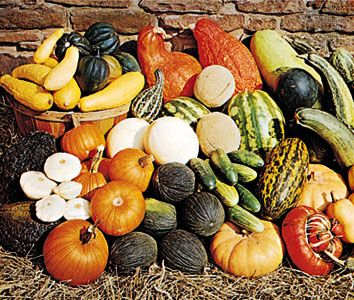
The Cucurbitaceae family, commonly known as the gourd family, comprises approximately 98 genera and 975 species of flowering plants. These plants are primarily fast-growing, prostrate, or climbing vines native to tropical and temperate regions.23
Beyond the bur cucumber, many well-known food and ornamental plants belong to this family, including:23
- Melons and Cucumbers: Cucumber (Cucumis sativus), gherkin, muskmelon, watermelon, and musk cucumber.), and musk cucumber.3
- Squashes and Pumpkins: Various squash species (genus Cucurbita), including zucchini, pumpkin, and winter squash.23
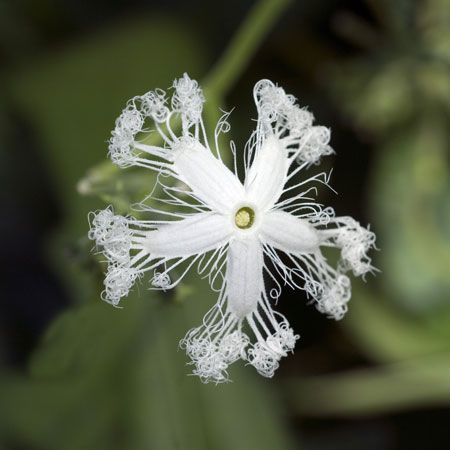
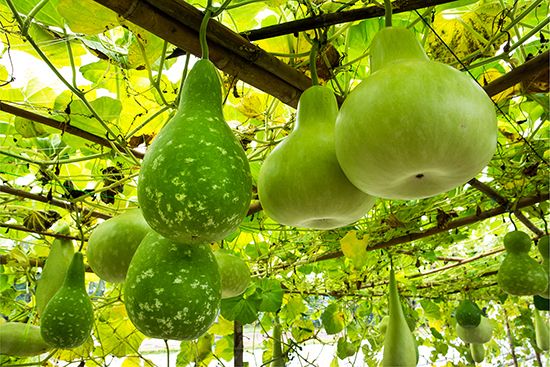
- Gourds: Bottle gourd, wax gourd, snake gourd, and loofah.34
- Other Notable Species: Chayote, bryony, and colocynth.3
Members of this family are generally sensitive to freezing temperatures and are characterized by their tendrils, unisexual flowers, and fleshy, many-seeded fruits known as pepos.234
Why is bur cucumber classified as a noxious weed?
The species Sicyos angulatus, commonly known as the star cucumber or bur cucumber, is classified as a noxious agricultural weed primarily due to its aggressive growth habits, which allow it to interfere significantly with crop production.1
While the provided search results identify it as a noxious weed, they do not detail the specific biological mechanisms—such as its rapid vining, competition for resources, or impact on harvest efficiency—that lead to this classification. The management of such agricultural pests often involves various cultural controls, such as crop rotation, deep plowing, or the destruction of crop residues, to mitigate the damage they cause to fields.16
How do climbing vines use tendrils to grow?
Climbing plants utilize tendrils—specialized, slender, threadlike organs—to anchor themselves and support their stems as they grow. These structures can be modified leaves, leaflets, leaf tips, stipules, or even modified stem branches.7
The process of attachment relies on thigmotropism, which is a growth movement in response to touch. Tendrils are highly sensitive to contact; when they brush against an object, they curve toward it and wrap around it, clinging as long as the stimulation persists.87
Once a tendril has successfully grasped a support, it undergoes structural changes to ensure stability:
- Mechanical Strengthening: The plant develops sclerenchyma, a type of strong mechanical tissue, within the tendril to support the weight of the plant.7
- Adhesion: Some species produce terminal enlargements that flatten against a firm surface and secrete an adhesive, effectively cementing the tendril to the substrate.7
Through these mechanisms, vines are able to climb toward light and structural support efficiently.79
Sources
- bur cucumber — Encyclopædia Britannica
- Cucurbitaceae — Encyclopædia Britannica
- list of plants in the family Cucurbitaceae — Encyclopædia Britannica
- list of vegetables — Encyclopædia Britannica
- gourd — Encyclopædia Britannica
- Agricultural technology - Mechanical and cultural controls — Encyclopædia Britannica
- Tendril — Encyclopædia Britannica
- vine — Encyclopædia Britannica
- Did you know? — Merriam-Webster
- tendril — Merriam-Webster
Published on · 2 min read