Ailanthus
Ailanthus refers to a genus of flowering trees and shrubs in the quassia family (Simaroubaceae), native to regions of Asia and northern Australia. These…
What is ailanthus?
Ailanthus refers to a genus of flowering trees and shrubs in the quassia family (Simaroubaceae), native to regions of Asia and northern Australia. These plants are characterized by their pinnate leaves, bitter bark, and terminal clusters of often ill-scented, greenish flowers.12
The most well-known species in this genus is the tree of heaven (Ailanthus altissima). This species is a rapid-growing tree native to China that has become widely naturalized in many parts of the world. It is frequently found in urban environments because of its remarkable ability to thrive in poor soil, its resistance to pollution, and its general freedom from common insects and diseases. While valued for its hardiness, the tree is known for producing long, many-parted leaves that emit a rank odor when bruised, and its flowers can also have an unpleasant scent.13
Why is the tree of heaven considered an invasive species?
The tree of heaven (Ailanthus altissima) is considered an invasive species primarily due to its aggressive growth habits and extreme adaptability. While it was originally introduced as an ornamental street tree because of its resistance to pollution and ability to thrive in poor soil, these same traits allow it to outcompete native vegetation in new environments.2
The tree spreads rapidly through both prolific seed production and an extensive root system that can sprout new shoots, often forming dense thickets that displace local plant life. Its ability to grow in almost any soil condition, combined with a lack of natural pests or diseases in many regions where it has been introduced, enables it to colonize disturbed areas, roadsides, and forests with ease.2
How do invasive plants affect local ecosystems?
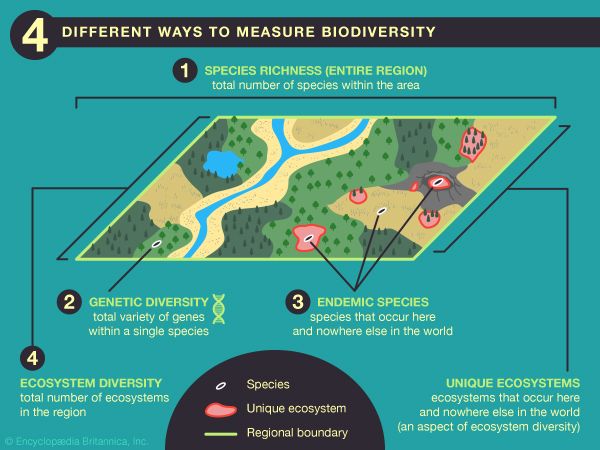
Invasive plants significantly disrupt local ecosystems by modifying the environment in ways that often lead to a decline in biodiversity. Because these nonnative species often lack natural predators or diseases to keep their populations in check, they can establish a competitive advantage over indigenous flora.4
The primary ways invasive plants affect ecosystems include:
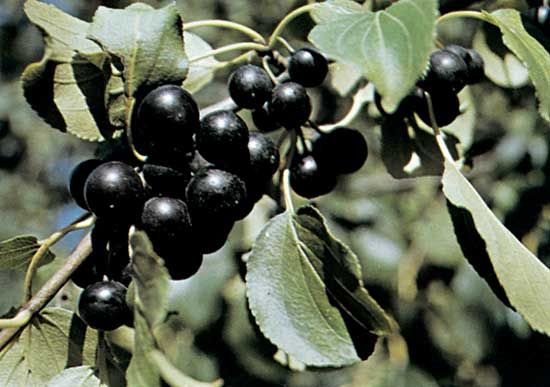
- Resource Competition: Invasive plants frequently outcompete native species for essential resources such as food, water, sunlight, and living space. For example, the common buckthorn creates dense walls of vegetation that block sunlight, effectively displacing native plants.45
- Habitat Degradation: By altering the physical structure of an environment, invasive plants can make it difficult for native species to survive. This process can lead to the localized extinction of native species that are unable to adapt to the transformed conditions.54
- Disease Vectors: Some invasive plants serve as carriers for parasites and pathogens, which can further stress and disrupt the health of the invaded area.4
- Ecosystem Transformation: Species like purple loosestrife can overrun vast areas of wetlands, replacing diverse native vegetation with monocultures that provide less value to the local wildlife.6
What are some other trees that can survive in polluted urban environments?
In addition to the tree of heaven, several other trees are well-suited for urban environments due to their resilience against harsh conditions.
The London plane (Platanus acerifolia) is perhaps the most notable example. This hybrid tree is widely planted in cities specifically because of its high resistance to air pollution and various diseases that often affect other species. Beyond its durability, the London plane is valued for its rapid growth, which provides quick shade, and its attractive, patchy bark that reveals shades of white, gray, green, and yellow as it flakes off.9
While the tree of heaven is often considered invasive, the London plane remains a popular and functional choice for urban forestry, balancing aesthetic appeal with the practical need for trees that can withstand the stressors of city life.9
Sources
- ailanthus — Encyclopædia Britannica
- tree of heaven — Encyclopædia Britannica
- ailanthus — Merriam-Webster
- invasive species — Encyclopædia Britannica
- conservation - Removing invasive species — Encyclopædia Britannica
- habitat loss — Encyclopædia Britannica
- Wetland - Disturbances caused by humans — Encyclopædia Britannica
- invasive species - Solutions — Encyclopædia Britannica
- plane tree — Encyclopædia Britannica
Published on · 3 min read