Bugleweed
It is important to clarify that the term "bugleweed" can refer to two distinct groups of plants, which often leads to confusion. The name is applied both to…
What are some common species or varieties of bugleweed?
It is important to clarify that the term “bugleweed” can refer to two distinct groups of plants, which often leads to confusion. The name is applied both to the genus Ajuga (often called bugle) and the genus Lycopus (often called water horehound or bugleweed).12
Genus Ajuga
These are Eurasian plants in the mint family (Lamiaceae) frequently used in landscaping as ground cover. Common species include:1
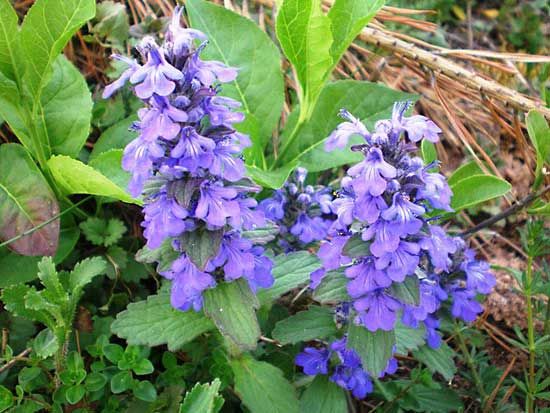
- Carpet bugleweed (Ajuga reptans): Also known as common bugleweed, this species forms colonies of dark green, oval leaves and produces spikes of blue, pink, or white flowers.1
- Ground pine (A. chamaepitys): Also called yellow bugle, this shorter variety is characterized by pine-scented, needlelike leaves and yellow flowers.1
Genus Lycopus
This genus consists of different mints, often found in wet habitats.2
- Virginia bugleweed (Lycopus virginicus): A North American perennial known for its mild narcotic and astringent properties.2
What is bugleweed and what family of plants does it belong to?
The term “bugleweed” is commonly used to refer to two distinct groups of plants, both of which belong to the mint family (Lamiaceae).13
- Genus Ajuga: This group consists of approximately 40 species of Eurasian plants. These are frequently utilized in landscaping as ground covers due to their attractive flowers and ability to form colonies. Common examples include the carpet bugleweed (Ajuga reptans) and the ground pine (A. chamaepitys).12
- Genus Lycopus: This group refers to a different set of plants, often called water horehounds. A notable example is the North American perennial Lycopus virginicus, which has historically been recognized for its mild narcotic and astringent properties.3
While both genera are classified within the Lamiaceae family, they are botanically separate. It is important not to confuse these with plants in the order Lycopodiales, which are unrelated.134
What are some common uses or benefits of bugleweed in gardening or landscaping?
In landscaping, the genus Ajuga, commonly known as bugleweed, is primarily valued for its utility as a ground cover.
Because many species—most notably the carpet bugleweed (Ajuga reptans)—are creeping perennials that spread vegetatively through stolons (runners), they are highly effective at forming dense, low-growing colonies. This growth habit makes them an excellent choice for suppressing weeds and covering bare soil in damp meadows or woodland garden settings.1
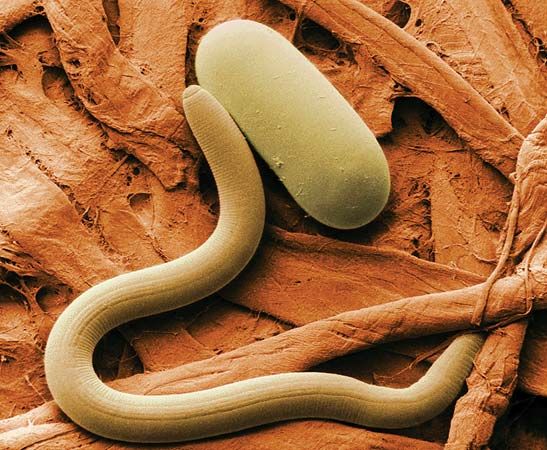
Beyond their functional role as ground cover, these plants are popular for their aesthetic appeal. They produce attractive, dense spikes of flowers—typically blue, though pink or white varieties exist—that provide visual interest in the garden. While they are versatile, gardeners should note that they thrive best in specific conditions and can be susceptible to fungal rot in overly humid environments or damage from root-knot nematodes.1
How does bugleweed reproduce and spread in its natural environment?
In their natural environment, bugleweeds (genus Ajuga) utilize both vegetative and sexual methods to reproduce and expand their populations.1
- Vegetative Propagation: Many creeping species, such as the carpet bugleweed (Ajuga reptans), spread primarily through the use of stolons, also known as runners. These slender, horizontal stems grow along the ground and develop roots and new aerial shoots at specialized points called nodes, allowing the plant to form dense colonies.16
- Sexual Reproduction: Bugleweeds also reproduce through the production of flowers, which are arranged in dense inflorescences along the stem. Following pollination, these flowers produce nutlet fruits, which contain the seeds necessary for the plant to propagate and colonize new areas.1
These combined strategies allow bugleweed to effectively establish itself in habitats such as damp meadows and woodlands.1
Sources
- Bugleweed — Encyclopædia Britannica
- bugleweed — Merriam-Webster
- ajuga — Merriam-Webster
- Lycopodineae — Merriam-Webster
- Lycopodiales — Merriam-Webster
- Stolon — Encyclopædia Britannica
Published on · 3 min read