Chia
The chia plant (Salvia hispanica) is an annual herbaceous plant belonging to the mint family that can grow to nearly 1 metre (3 feet) in height.
What are the physical characteristics of the chia plant, including its leaves, flowers, and seeds?
The chia plant (Salvia hispanica) is an annual herbaceous plant belonging to the mint family that can grow to nearly 1 metre (3 feet) in height.1
Its physical characteristics include:
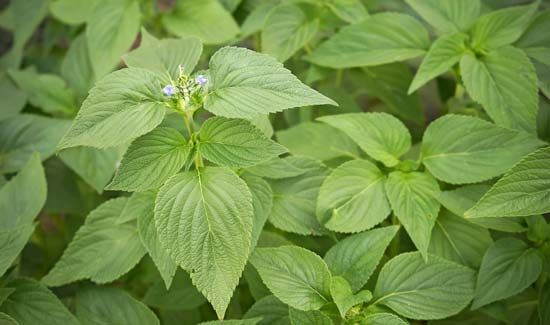
- Leaves: The plant features lime-green leaves that are arranged oppositely along the stem and possess serrated (toothed) margins.1
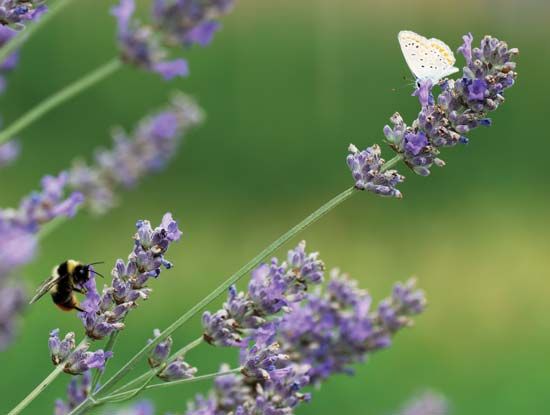
- Flowers: Chia produces spikes of small flowers that can be blue, purple, or white. These flowers have a high rate of self-pollination.1
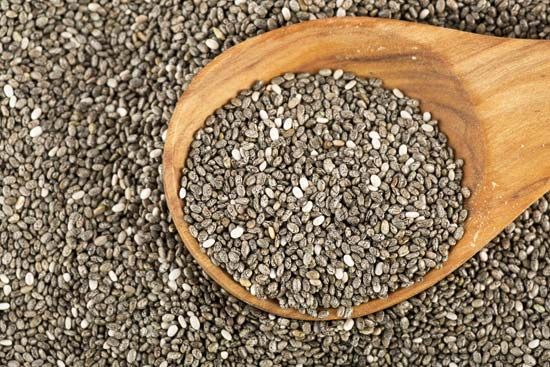
- Seeds: The small, oval seeds measure approximately 1 mm (0.04 inch) in diameter. They feature a shiny, mottled, or speckled seed coat that varies in color from dark brown to gray-white. Notably, these seeds produce a mucilaginous gel when soaked in water.1
As a desert-adapted species, the plant thrives in sandy loam soils and is known for its resistance to insect pests and disease.1
What is the scientific name of the chia plant, and where did it originate?
The scientific name of the chia plant is Salvia hispanica. It is a member of the mint family and is native to Mexico and Guatemala.31
In these regions, the plant served as a vital crop for pre-Columbian Aztec and other Mesoamerican Indian cultures, where it held significant culinary, medicinal, and religious importance.1
How is chia grown and cultivated, and what are its optimal growing conditions?
Chia (Salvia hispanica) is a resilient desert plant that is well-suited for organic production due to its natural resistance to insect pests and disease.1
Optimal Growing Conditions
- Soil: The plant thrives in sandy loam soils.1
- Water: As a desert-adapted species, it requires very little irrigation.1
- Climate Sensitivity: Chia is highly sensitive to frost and specific day-length requirements, which are critical factors for successful cultivation.1
Cultivation
Commercial production of chia has expanded globally to countries including Argentina, Australia, Bolivia, Peru, and the United States. Because the plant is an annual that reaches heights of nearly 1 metre (3 feet) and features flowers with a high rate of self-pollination, it is relatively straightforward to manage in agricultural settings.1
In what ways can chia seeds be incorporated into modern diets and recipes?
Chia seeds are highly versatile in modern cooking due to their mild flavor and ease of digestion, as they do not require grinding to access their nutritional benefits. They can be incorporated into your diet in several ways:13
- Toppings: Sprinkle whole seeds onto salads, sandwiches, yogurt, or hot and cold cereals for an added nutritional boost.1
- Beverages and Puddings: When mixed with water, juice, or milk, the seeds form a mucilaginous gel, making them ideal for creating thick beverages or puddings.13
- Baking: Incorporate the seeds directly into the batter of your favorite baked goods.1
- Sprouting: You can sprout the seeds and enjoy them fresh in salads or sandwiches.1
Because they are rich in fibre, protein, and omega-3 fatty acids, they serve as a convenient way to enhance the nutrient profile of many everyday meals.1
Sources
- Chia — Encyclopædia Britannica
- Salvia — Encyclopædia Britannica
- chia — Merriam-Webster
- 9 Mind-Altering Plants - Salvia ( Salvia divinorum ) — Encyclopædia Britannica
Published on · 2 min read