Bükk Mountains
The highest peak in the Bükk Mountains is Mount Istállós-kő, which reaches an elevation of 3,146 feet (959 meters).
What is the highest peak in the Bükk Mountains and how tall is it?
The highest peak in the Bükk Mountains is Mount Istállós-kő, which reaches an elevation of 3,146 feet (959 meters).1
What are some popular recreational activities in the Bükk National Park?
Bükk National Park is a popular destination for outdoor enthusiasts, offering a variety of seasonal activities:
- Hiking: The rugged terrain and extensive forest cover make the area ideal for summer trekking.1
- Fishing: Trout fishing is a well-known attraction during the warmer months.1
- Winter Sports: Due to a long snow cover that typically lasts for 120 days, the region is a hub for various winter sports.1
- Resort Stays: Visitors often frequent established vacation centers located in areas such as Lillafüred, Noszvaj, Jávorkút, and Szilvásvárad.1
What historical or archaeological sites can be found in the Bükk Mountains region?
The Bükk Mountains region is known for containing various traces of prehistoric settlement throughout its ranges. While the provided information confirms the presence of these archaeological sites, it does not detail specific named locations or individual excavations within the Bükk area.1
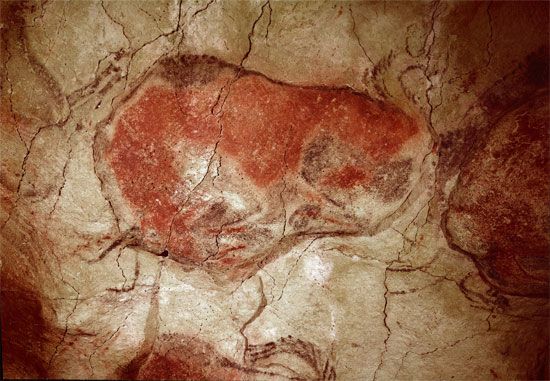
Please note that the information regarding the Altamira cave provided in the search results refers to a site in Spain and is not located within the Bükk Mountains.
Where are the Bükk Mountains located in Hungary?
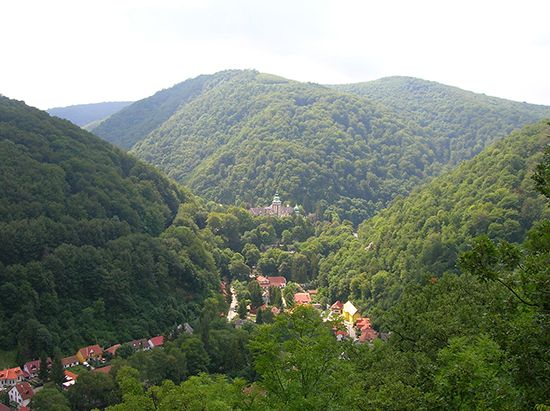
The Bükk Mountains are located in northeastern Hungary and serve as a southward-projecting spur of the Carpathian Mountains.
This forested highland spans approximately 30 miles (50 km) from the Tarna River in the west to the Sajó River in the east, and extends 20 miles (32 km) from north to south. The region is characterized by an intensely folded and faulted block range, featuring a central limestone plateau known as the Giants’ Table, which is surrounded by a rim of white cliffs.
Sources
- Bükk Mountains — Encyclopædia Britannica
- Altamira — Encyclopædia Britannica
Published on · 1 min read