Canadian Rockies
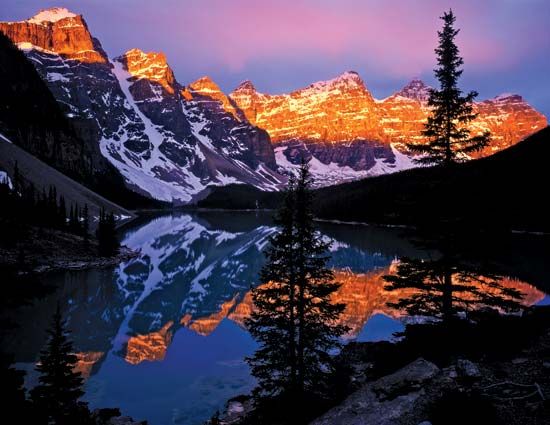
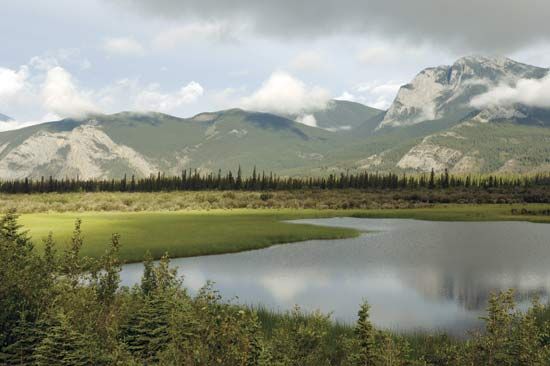
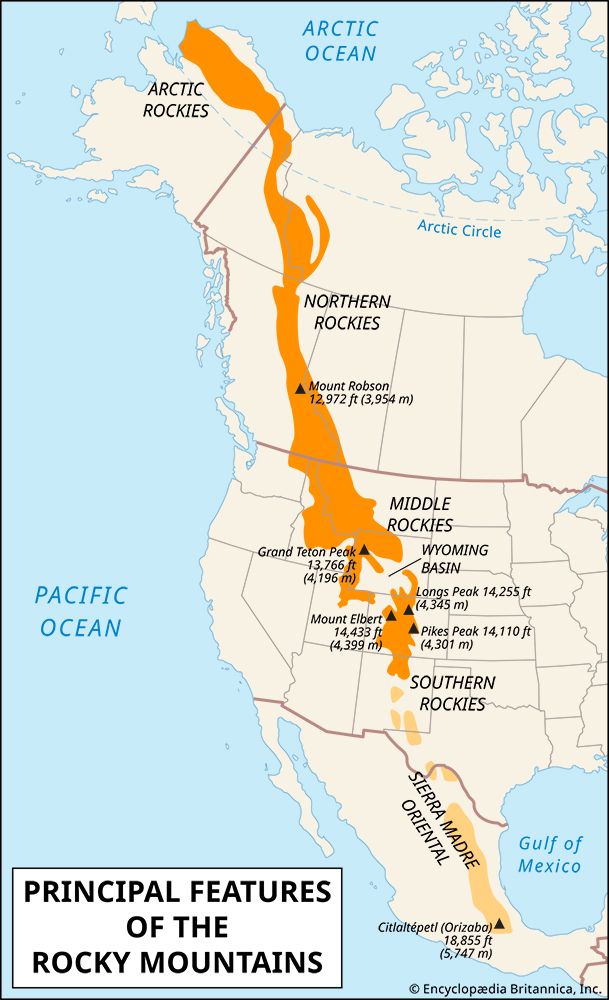
The Canadian Rockies experience a cool montane climate that varies significantly based on elevation and specific location.
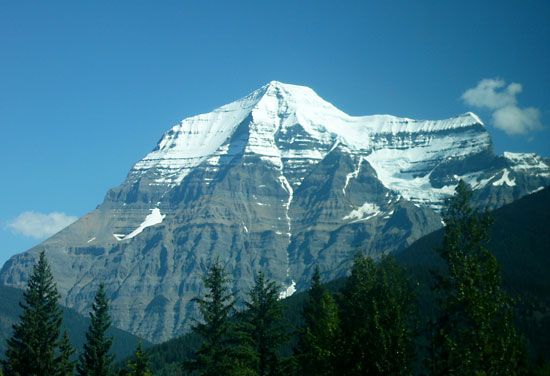
What is the climate like in the Canadian Rockies throughout the year?
The Canadian Rockies experience a cool montane climate that varies significantly based on elevation and specific location.1
Seasonal Characteristics:
- Winters: Generally long, cold, and snowy. In areas like the town of Banff, January nighttime lows typically reach about 5 °F (−15 °C), though periodic cold snaps can drive temperatures much lower. Snowfall is common from late September through May, with significant seasonal accumulations.1
- Summers: Characterized as moderately warm with short, cool growing seasons. July and August are the warmest months, with daytime highs around 72 °F (22 °C) in lower-elevation areas. These months also feature frequent afternoon thundershowers.21
Regional Influences: The climate is heavily influenced by the rugged, mountainous terrain. While the region is generally wetter than the southern Rockies, precipitation patterns remain variable. In some southern parts of the range, Chinook winds—warm, dry air descending from the mountains—can cause rapid, dramatic temperature increases during the winter. Additionally, high-altitude zones remain alpine in character, often featuring severe winter conditions and permanent glaciers.123
How have the Canadian Rockies influenced the culture and economy of western Canada?
The Canadian Rockies have been a foundational force in the development of western Canada, serving as both a physical gateway and a source of immense economic and cultural value.
Economic Influence
- Transportation and Trade: The rugged terrain necessitated the construction of vital rail and highway passes, such as the Kicking Horse Pass and Yellowhead Pass. These routes were essential for the Canadian Pacific Railway, which linked the country and shielded western Canadian business from American competition.567
- Resource Extraction: The region is a major producer of timber, supporting numerous sawmills and pulp and paper mills. Additionally, the eastern fringes of the Cordillera contain significant coal deposits, and the broader region remains a source of minerals like lead, zinc, copper, and gold.896
- Tourism: The spectacular alpine scenery has made the region an international hub for recreation. Banff and Jasper national parks draw millions of visitors annually, fueling a robust tourism economy centered on hiking, skiing, and sightseeing.810
Cultural Impact
The Rockies have shaped the Canadian identity through the preservation of wilderness and the promotion of national pride. The establishment of Canada’s first national park in 1885, following the discovery of hot springs by railway workers, marked the beginning of a long-standing commitment to conservation. Today, these landscapes are recognized as part of a UNESCO World Heritage site, reflecting their status as a cultural and natural treasure.10
What role did the Canadian Rockies play in the development of Canada’s national parks system?
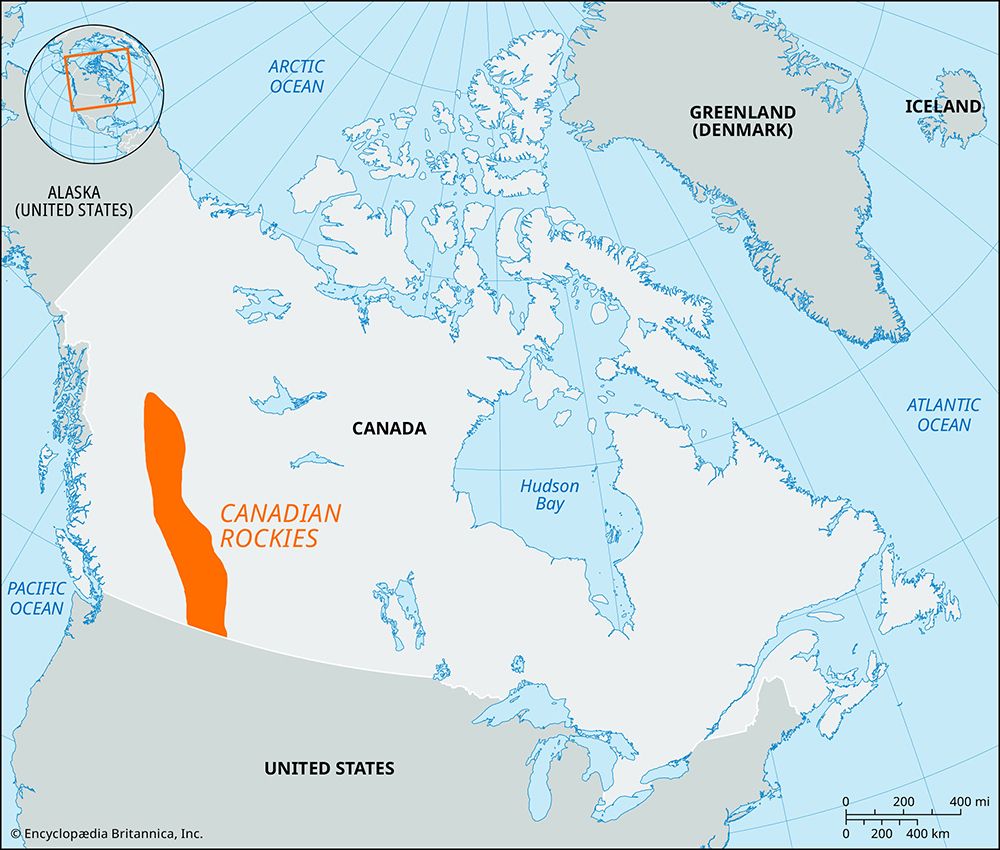
The Canadian Rockies were the birthplace of Canada’s national park system, which began with the discovery of natural hot springs by Canadian Pacific Railway employees in 1883.123
Following disputes over the ownership of these springs, the federal government intervened in 1885 by declaring a 10-square-mile area around them a natural reserve. This action led to the passage of the Rocky Mountains Park Act in 1887, which officially established Banff National Park as Canada’s first national park.3
The development of the park system continued to be closely tied to the geography of the Rockies:
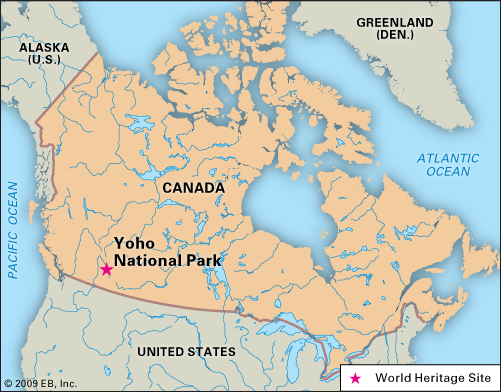
- Expansion and Connectivity: The system grew as the government recognized the value of the region’s striking scenery. Other parks, such as Yoho, Kootenay, and Jasper, were established to protect the surrounding wilderness.35
- International Cooperation: In 1932, Alberta’s Waterton Lakes National Park was joined with Montana’s Glacier National Park to create the world’s first binational park.12
- Global Recognition: Many of these parks are now designated as a UNESCO World Heritage site, cementing their status as protected cultural and natural treasures.123
How were the Canadian Rockies formed, and what types of rocks are commonly found there?
The Canadian Rockies were primarily formed through a process of intense tectonic activity known as the Laramide Orogeny, which occurred between approximately 65 and 35 million years ago. During this mountain-building episode, thick sheets of Paleozoic limestone were thrust eastward over younger Mesozoic rocks, with some of these thrust sheets moving as far as 20 to 30 miles from their original positions.14
This geological history is rooted in the accumulation of a massive structural depression called the Rocky Mountain Geosyncline. From the late Precambrian to the early Mesozoic era, this region served as a basin for carbonate sedimentation, resulting in layers of sediment reaching up to 17 miles thick.14
Common rock types found in the Canadian Rockies include:
- Limestone: Extensive Paleozoic limestone deposits are a defining feature of the region’s thrust sheets.14
- Sedimentary Rocks: The area is characterized by a thick sequence of sedimentary rock layers that were folded and thrust onto one another during the mountain-building process.1415
- Glacial Deposits: The valleys and the Rocky Mountain Trench contain significant deposits left behind by glacial meltwaters.14
Sources
- Rocky Mountains - Climate — Encyclopædia Britannica
- Alberta - Climate of Alberta — Encyclopædia Britannica
- Banff National Park — Encyclopædia Britannica
- Canada - Temperatures — Encyclopædia Britannica
- Canadian Rockies — Encyclopædia Britannica
- Rocky Mountains - National parks , forests, and recreational areas — Encyclopædia Britannica
- Canada - Minerals — Encyclopædia Britannica
- Rocky Mountains - Environmental concerns — Encyclopædia Britannica
- Canada - The Western Cordillera — Encyclopædia Britannica
- railroad - Canadian railroads — Encyclopædia Britannica
- Rocky Mountains — Encyclopædia Britannica
- Canada - Sports and recreation — Encyclopædia Britannica
- Kootenay National Park — Encyclopædia Britannica
- Rocky Mountains - Physiography — Encyclopædia Britannica
- Western Cordillera — Encyclopædia Britannica
Published on · 4 min read