Bulldog
There are several distinct breeds and types commonly referred to as Bulldogs, each with unique origins and characteristics.
What are the different types of Bulldogs, such as English, French, and American?
There are several distinct breeds and types commonly referred to as Bulldogs, each with unique origins and characteristics.
Common Bulldog Varieties
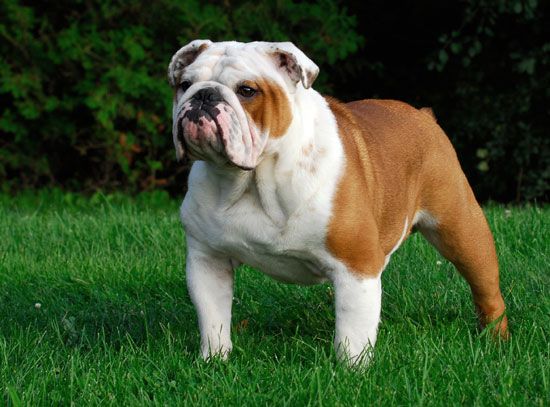
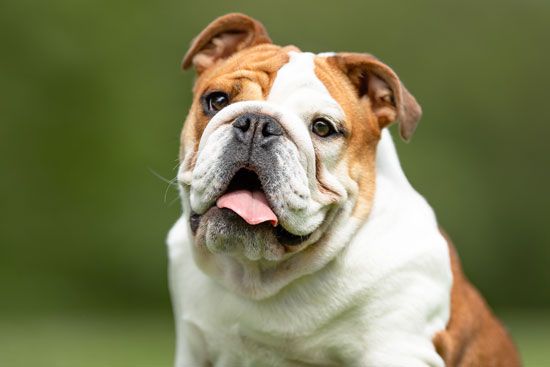
- Bulldog: Often called the English or British Bulldog, this breed originated in 13th-century England for bullbaiting. Though historically aggressive, modern selective breeding has produced a gentle, peace-loving companion. It is a stocky, medium-sized dog known for its “sourmug” expression, large head, and wrinkled face.1
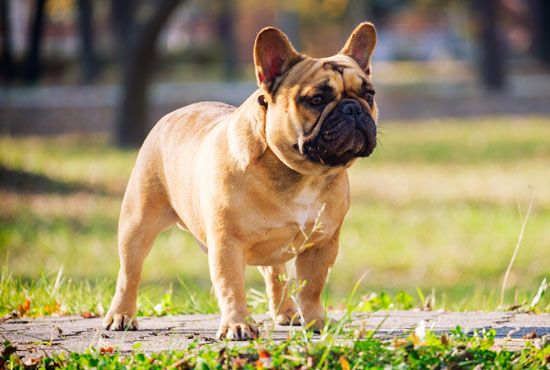
- French Bulldog: Developed in France in the late 1800s, this is a smaller counterpart to the English Bulldog. It is easily distinguished by its large, erect “bat-like” ears and alert expression. They are popular, affectionate, and clownish companions well-suited for apartment living.2
- American Bulldog: Re-created after World War II, this breed descends from working dogs brought to colonial America. It is generally more agile and longer-legged than the English Bulldog, retaining a more athletic build reminiscent of the original working-type bulldogs.3
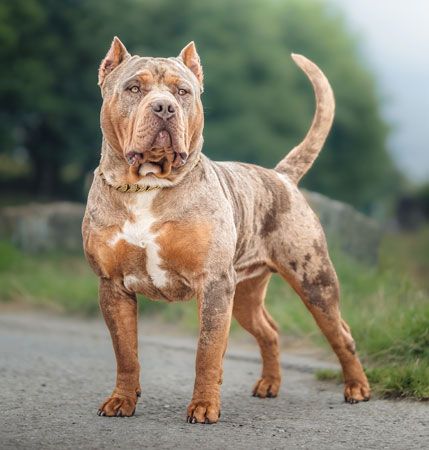
- American Bully: A more recent type created in the 1980s and 1990s by crossing the American Pit Bull Terrier with various bulldog breeds. While intended to be a gentle family companion, the breed is powerful and has been involved in serious attacks, leading to restrictions or bans in several countries.45
What role did Bulldogs play in the development of other dog breeds?
Bulldogs have played a significant role in the development of various dog breeds, primarily through selective breeding aimed at modifying temperament and physical traits.
- American Bully: This breed was developed in the 1980s and 1990s by crossing the American Pit Bull Terrier with various Bulldog breeds, including English and American Bulldogs. The goal was to combine the powerful, muscular physique of the pit bull with the more gentle, laid-back temperament of the Bulldog to create an ideal family companion.3
- Historical Influence: The original working-type Bulldogs brought to colonial America by European immigrants served as the foundation for the American Bulldog. After World War II, breeders sought to re-create this original, more athletic, and long-legged version of the dog, which had become distinct from the shorter, stockier English Bulldog that evolved in England.1
- Temperament Modification: Historically, Bulldogs were bred for bullbaiting, a role that required aggression and courage. However, through generations of selective breeding, the breed’s ferocity was largely removed, allowing the Bulldog to contribute its now-gentle nature to the development of other companion breeds.2
What are the physical characteristics that distinguish Bulldogs from other dog breeds?
Bulldogs are physically distinct from many other dog breeds due to their unique, stocky build and specific facial features. While individual varieties like the English Bulldog and the American Bully differ in size and muscle mass, they share several defining characteristics:
Key Physical Characteristics
- Head and Face: Bulldogs are known for their large, broad heads, short muzzles, and protruding lower jaws. They often feature loose skin that forms characteristic wrinkles on the head and face, which require regular cleaning to prevent infection.1
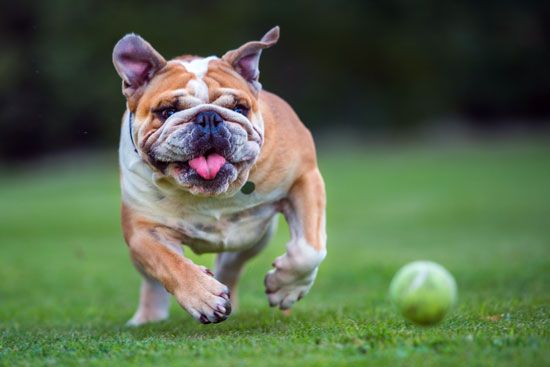
- Body Structure: The classic Bulldog is a heavy, thickset, medium-sized dog with a rolling gait and short, bowed legs. In contrast, the American Bully is characterized by extreme muscularity, a wide chest, and a compact body, reflecting its heritage as a powerful companion breed.165
- Respiratory Traits: Due to their flattened facial structure and shortened muzzles, Bulldogs are brachycephalic. This anatomy often leads to brachycephalic syndrome, which can cause breathing difficulties and a reduced ability to regulate body temperature in warm weather.15
- Coat: Most Bulldog breeds have a short, smooth, and fine coat that requires minimal maintenance, such as occasional brushing and bathing.15
Unlike many other breeds developed for running or chasing game, the traditional Bulldog’s skeletal structure is not built for endurance or speed.6
What are some common health issues associated with Bulldogs?
Bulldogs are prone to more health problems than many other breeds, largely due to their specific physical anatomy. Because of their short muzzles and flattened facial structure, they are particularly susceptible to the following issues:
- Brachycephalic Syndrome: This condition occurs when the nostrils are too small, the soft palate is elongated, and airway tissues obstruct breathing. This makes it difficult for the dog to pant effectively, significantly reducing its ability to cool itself and increasing the risk of overheating.1
- Temperature Sensitivity: Bulldogs are highly prone to overheating in warm environments or during overexertion. Owners must take precautions, such as providing air conditioning and avoiding exercise during the hottest parts of the day.1
- Skin Infections: The folds of skin within their facial wrinkles can trap moisture, creating an environment that facilitates bacteria and yeast infections. These areas must be kept clean and dry.1
- Anesthesia Risks: Bulldogs cannot maintain passive respiration, requiring special medical measures to support their breathing during procedures involving anesthesia.1
- Joint Issues: The breed is susceptible to hip dysplasia and other joint disorders, which can be managed in part through high-quality nutrition that promotes a slower, healthier growth rate.1
- Water Safety: Most Bulldogs cannot swim and are at a high risk of drowning if left unsupervised near open water.1
Sources
- Bulldog — Encyclopædia Britannica
- American bulldog — Merriam-Webster
- What Dogs Make an American Bully? — Encyclopædia Britannica
- French Bulldog — Encyclopædia Britannica
- American Bully — Encyclopædia Britannica
- dog - Skeletal structure — Encyclopædia Britannica
Published on · 4 min read