Bur Oak
The bur oak (Quercus macrocarpa) is a prominent North American timber tree belonging to the white oak group. It is widely recognized for its resilience, as…
What are the defining characteristics of a bur oak tree?
The bur oak (Quercus macrocarpa) is a prominent North American timber tree belonging to the white oak group. It is widely recognized for its resilience, as it is resistant to drought, air pollution, and various insect or fungal attacks.1
Key physical characteristics include:
- Size: Typically reaching 25 meters (82 feet) in height, though some specimens can grow up to 50 meters (164 feet).1
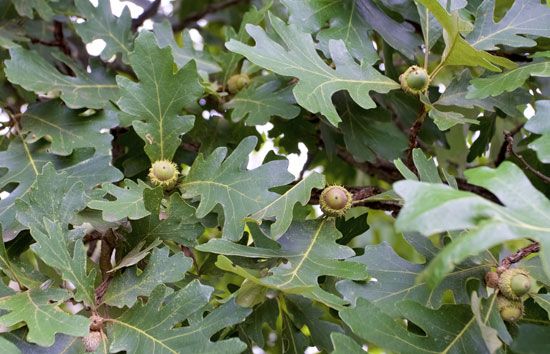
- Leaves: These are approximately 25 cm (10 inches) long, featuring a dark green, shiny upper surface and a dull, whitish underside. The leaf is distinctively shaped, with the wide upper half separated from the narrow lower part by two deep sinuses.1
- Bark: The tree possesses corky, fire-resistant bark, an adaptation that historically allowed it to thrive in savannas and prairies prone to fire.1
- Acorns: Often called “mossy-cup oak,” the tree is defined by its large, oval acorns enclosed in heavily fringed caps.12
Where is the bur oak native to, and in what types of environments does it thrive?
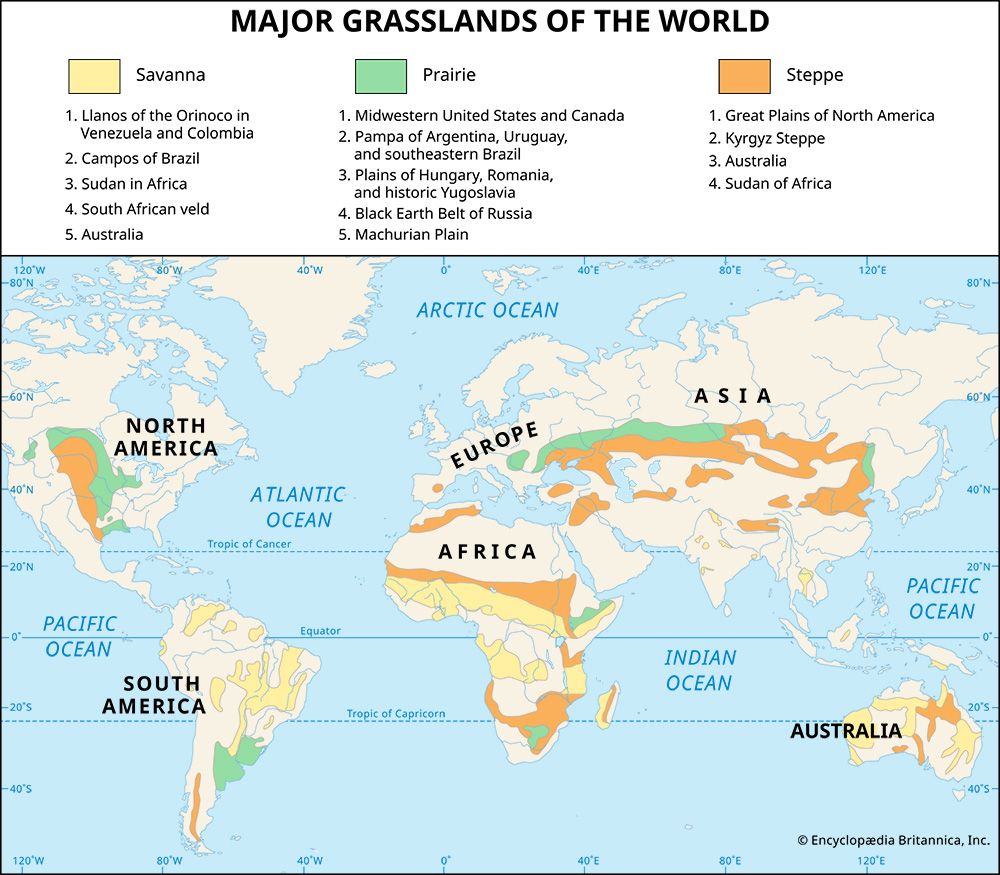
The bur oak (Quercus macrocarpa) is native to North America, with its primary distribution throughout the central United States.1
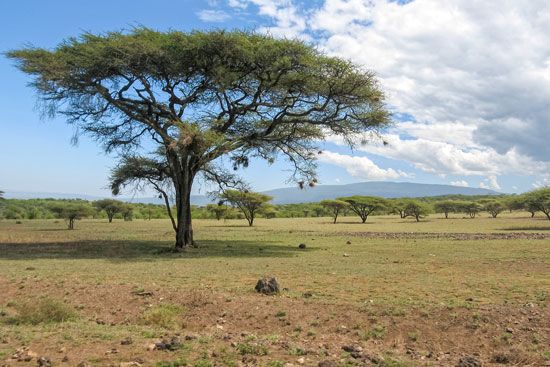
Regarding its preferred habitats, the bur oak is historically associated with oak savannas and prairies. It is exceptionally well-adapted to these environments due to its thick, corky bark, which provides significant resistance to fire. Because of its inherent hardiness, the species also thrives in urban settings, where it is frequently planted as an ornamental or shade tree due to its tolerance for drought, air pollution, and various pests.1
What is the scientific name of the bur oak, and what does it mean?
The scientific name of the bur oak is Quercus macrocarpa.21
The name is derived from two parts:
- Quercus: The Latin name for oak trees.1
- macrocarpa: A term of New Latin origin, derived from the Greek words makros (meaning “large”) and karpos (meaning “fruit”).5
Together, the specific epithet macrocarpa refers to the tree’s notably large acorns, which are a defining characteristic of the species2.1
How does the bur oak adapt to fire, and why is this important?
The bur oak (Quercus macrocarpa) is uniquely adapted to fire through the development of thick, corky bark, which acts as a protective barrier for the tree’s trunk against fire injury. This adaptation is particularly effective once the tree has reached a certain size, allowing it to survive in fire-prone environments like oak savannas and prairies.17
This fire resistance is ecologically significant because wildfire plays a critical role in maintaining these ecosystems. Periodic burning consumes dead plant material and prevents the encroachment of fire-sensitive species, which would otherwise allow these open landscapes to transition into dense forests. By surviving these fires, the bur oak helps preserve the structural character of the savanna, ensuring that the environment remains open and capable of supporting the diverse flora and fauna adapted to these specific habitats.7
Sources
- bur oak — Encyclopædia Britannica
- bur oak — Merriam-Webster
- Tree - Tree bark — Encyclopædia Britannica
- oak — Encyclopædia Britannica
- macrocarpa — Merriam-Webster
- chestnut oak — Encyclopædia Britannica
- Scrubland - Ecological importance of fire to scrubland communities — Encyclopædia Britannica
- Savanna - Role of wildfire — Encyclopædia Britannica
Published on · 2 min read