Bush Honeysuckle
It is important to clarify that the term "bush honeysuckle" is often used to describe two distinct groups of plants, which can lead to confusion. The genus…
Are there any beneficial uses or cultural significance of bush honeysuckle plants?
It is important to clarify that the term “bush honeysuckle” is often used to describe two distinct groups of plants, which can lead to confusion. The genus Diervilla refers to native North American shrubs, while the genus Lonicera includes various shrubby species, some of which are considered invasive species in the United States.12
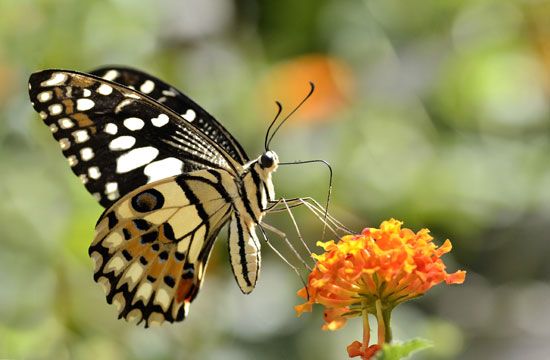
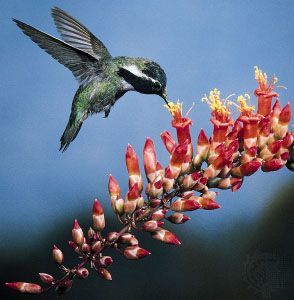
The native bush honeysuckle (Diervilla) offers several ecological benefits. These deciduous perennials are commonly used in native landscaping because they are well-adapted to their environments. They serve as a valuable resource for local wildlife, as their flowers are highly attractive to butterflies and hummingbirds. Because they spread via rhizomes, they are effective at forming patches in rocky or dry areas, which can be useful for soil stabilization in garden settings.1
While Diervilla is valued for its role in supporting native pollinators, it is distinct from the invasive Lonicera species that can disrupt local ecosystems by outcompeting native vegetation.13
What are the key characteristics of bush honeysuckle plants?
To clarify, the term “bush honeysuckle” refers specifically to the genus Diervilla, which is distinct from the true honeysuckle genus (Lonicera). While often confused, Diervilla species are native to eastern North America, whereas many Lonicera species are considered invasive species in the United States. are considered invasive species in the United States.1
Key Characteristics of Diervilla
Diervilla consists of three species of low-growing, deciduous perennials belonging to the Caprifoliaceae family.1
- Physical Structure: These shrubs feature oval leaves and spread via rhizomes, allowing them to form patches in rocky, dry environments.1
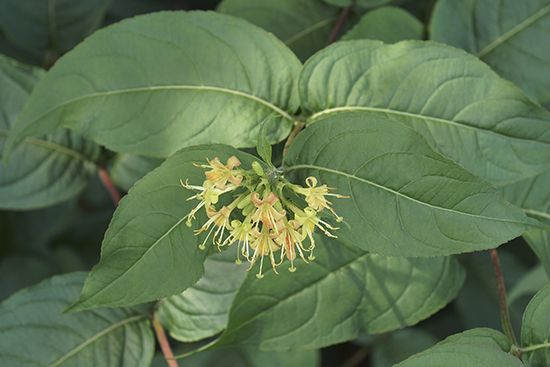
- Flowers and Fruit: They produce clusters of tubular, yellow or reddish-yellow flowers at the tips of their branches during early summer. These blooms are followed by slender, beaked fruits.1
- Ecological Role: They are highly valued in native landscaping for their ability to attract butterflies and hummingbirds.1
What are the main differences between native and invasive bush honeysuckle species?
It is important to distinguish between native bush honeysuckle and invasive honeysuckle species, as they belong to different genera and have very different impacts on the environment.
Native Bush Honeysuckle (Diervilla)
- Origin: Native to eastern North America.1
- Characteristics: These are low-growing, deciduous perennials that spread via rhizomes, often forming patches in rocky or dry areas.1
- Ecological Role: They are valued in native landscaping because they support local wildlife, specifically attracting butterflies and hummingbirds with their tubular, yellow or reddish-yellow flowers.1
Invasive Honeysuckle (Lonicera)
- Origin: Many species, such as the Japanese honeysuckle and Tatarian honeysuckle, are introduced from Asia or Europe and have become invasive species in the United States.13
- Characteristics: These plants can be shrubs or climbers that grow aggressively.3
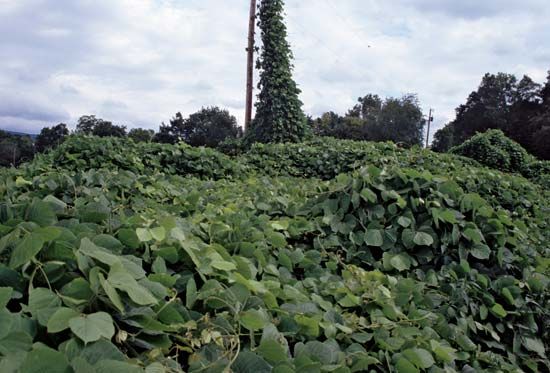
- Ecological Impact: Invasive honeysuckles are known to disrupt ecosystems by growing over other plants and shutting out light, which suppresses native vegetation.3
We could dive deeper into the specific management strategies used to control invasive honeysuckle populations.
How can you identify different species of bush honeysuckle?
To identify the three species of native bush honeysuckle (genus Diervilla), you can examine their specific physical traits:
- Northern bush honeysuckle (D. lonicera): This species is characterized by its smaller size and more-pointed leaves compared to other members of the genus.1
- Mountain bush honeysuckle (D. rivularis): This species is very similar to the northern bush honeysuckle in its general appearance but is distinguished by its larger size and broader leaves.1
- Southern bush honeysuckle (D. sessilifolia): You can identify this species by its stalkless leaves and distinctively angled branches.1
These native shrubs are deciduous perennials that typically grow in rocky, dry areas and produce clusters of yellow or reddish-yellow tubular flowers at the tips of their branches in early summer.1
It is important not to confuse these with the honeysuckle genus (Lonicera), which includes many invasive species that often feature different growth habits, such as climbing vines or shrubs with berries rather than beaked fruits.13
Sources
- Bush honeysuckle — Encyclopædia Britannica
- bush honeysuckle — Merriam-Webster
- Honeysuckle — Encyclopædia Britannica
- Diervilla — Merriam-Webster
Published on · 3 min read