Beauty Bush
The beauty bush (Kolkwitzia amabilis) is an ornamental shrub belonging to the Caprifoliaceae family. Native to central China, it is the sole member of its…
What is Beauty bush?
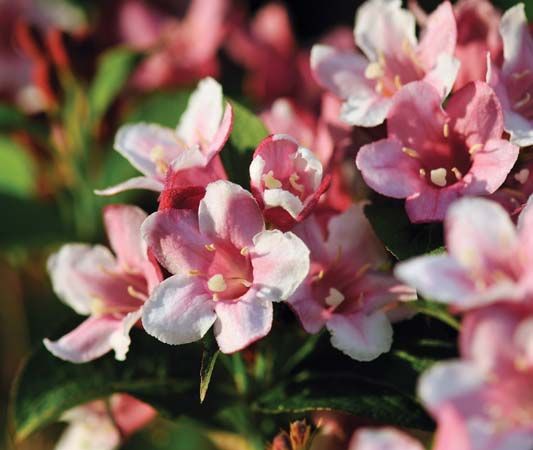
The beauty bush (Kolkwitzia amabilis) is an ornamental shrub belonging to the Caprifoliaceae family. Native to central China, it is the sole member of its genus.
This deciduous plant can grow up to 3 meters (10 feet) tall and features oval leaves. It is best known for its massed, bell-like flowers that bloom in early summer, ranging in color from white to pink. Following the flowering period, the bush produces brown, bristly fruits that remain on the branches throughout the winter.12
What other plants belong to the honeysuckle family?
The Caprifoliaceae family, commonly known as the honeysuckle family, includes approximately 42 genera and 890 species of trees, shrubs, vines, and herbs. Beyond the beauty bush, several notable plants belong to this diverse group:3
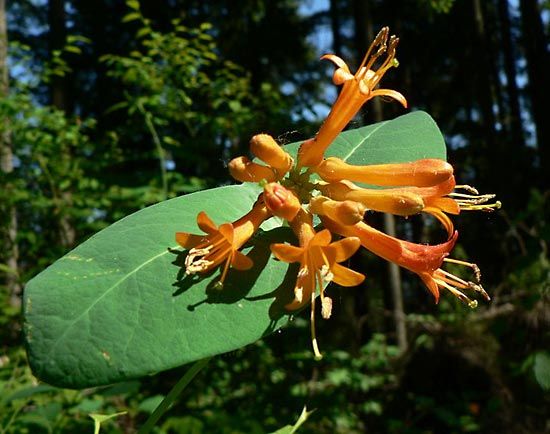
- Honeysuckles: The largest genus, Lonicera, contains about 180 species, including the fragrant Japanese honeysuckle and the climbing trumpet honeysuckle3.4
- Snowberries: The genus Symphoricarpos includes 18 species of deciduous shrubs, such as the common snowberry and coralberry.3
- Pincushion flowers: The genus Scabiosa comprises about 30 species.3
- Abelia: This genus includes about 30 species, such as the ornamental Mexican abelia and the evergreen glossy abelia.3
- Valerians: The genera Valeriana and Valerianella are known for their use in traditional medicine.3
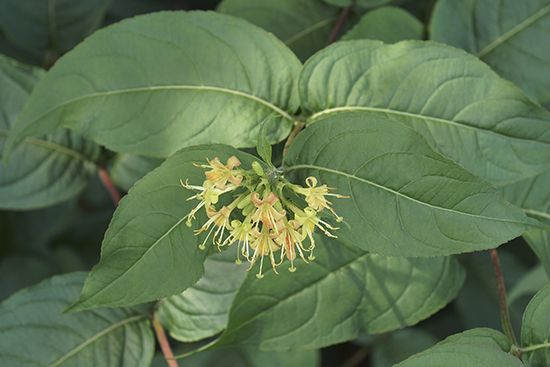
- Other notable genera: These include the Himalaya honeysuckle (Leycesteria formosa) and the bush honeysuckle (Diervilla).3
How do deciduous plants differ from evergreen plants?
The primary difference between deciduous and evergreen plants lies in their leaf-retention strategies, which are largely adaptations to their specific environments.67
Deciduous Plants
Deciduous plants shed their leaves at the end of every growing season. This is a survival strategy for trees in temperate regions where winter conditions—such as freezing temperatures and shorter days—make it difficult for leaves to function. By dropping their “throwaway” leaves, these plants avoid the damage that freezing would cause to delicate foliage. Before shedding, the plant breaks down chlorophyll, often revealing vibrant yellow, orange, or red pigments, which creates the characteristic autumn colors.768
Evergreen Plants
Evergreen plants retain their leaves throughout the year and into the following growing season. Their leaves are typically thicker, leathery, or needlelike, which helps them resist water loss and survive harsh conditions. Because these leaves are more “expensive” to produce, the plant keeps them for several years to maximize their photosynthetic utility. While many evergreens are cone-bearing conifers, broad-leaved evergreens also exist, particularly in tropical and mild temperate climates where year-round photosynthesis is possible.96
Why are some plants native to China popular in gardens worldwide?
Plants native to China have become popular in gardens worldwide due to the country’s immense botanical diversity and a long history of skilled gardening. Because China’s flora was less severely impacted by the erosions of the Ice Age compared to the West, it retained an unparalleled richness of species, including rhododendrons, azaleas, flowering cherries, ornamental maples, roses, lilies, primulas, poppies, and quinces.13
The global spread of these plants was driven by several factors:
- Systematic Exploration: During the 19th century, professional plant hunters were sent to China to collect specimens. Their efforts were aided by the invention of the wardian case, an airtight glass box that protected delicate plants from harsh climates and sea air during long voyages back to Europe.13
- Historical Exchange: Before professional exploration began, Jesuit priests residing in China sent many specimens to botanical centers in Paris and London.13
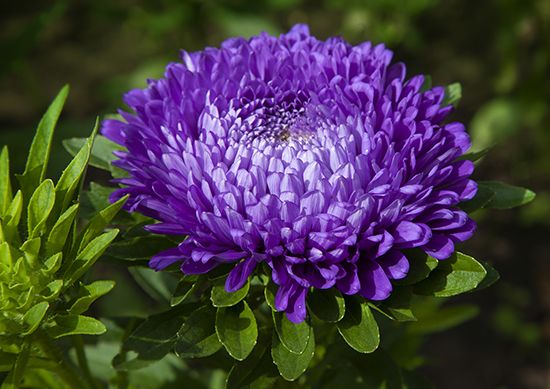
- Aesthetic Appeal: Many Chinese plants, such as the China aster and Chinese hibiscus, were prized for their beauty and ornamental value, leading to their widespread cultivation as garden favorites.131415
Sources
- Beauty bush — Encyclopædia Britannica
- beauty bush — Merriam-Webster
- Caprifoliaceae — Encyclopædia Britannica
- Caprifoliaceae — Merriam-Webster
- Honeysuckle — Encyclopædia Britannica
- Evergreen — Encyclopædia Britannica
- Temperate forest - Flora — Encyclopædia Britannica
- Temperate forest - Environment — Encyclopædia Britannica
- Leaf — Encyclopædia Britannica
- Plant - Classification of angiosperms — Encyclopædia Britannica
- Deciduous forest: Top Questions — Encyclopædia Britannica
- deciduous — Merriam-Webster
- gardening - The plant hunters — Encyclopædia Britannica
- garden and landscape design - Chinese — Encyclopædia Britannica
- China aster — Encyclopædia Britannica
- Chinese hibiscus — Encyclopædia Britannica
- China - Flora — Encyclopædia Britannica
Published on · 3 min read