Bute
The Isle of Bute is located in the Firth of Clyde, an inlet of the Atlantic Ocean in western Scotland.
Where is the Isle of Bute located within Scotland?
The Isle of Bute is located in the Firth of Clyde, an inlet of the Atlantic Ocean in western Scotland.12
The island is situated in close proximity to central Scotland and is separated from the mainland by a narrow, winding strait known as the Kyles of Bute. To its south, the Sound of Bute separates the island from the larger island of Arran from the larger island of Arran. Administratively, Bute falls within the Argyll and Bute council area. Its primary port and resort town is Rothesay is Rothesay.12
What is the historical significance of Bute in Scottish history?
The Isle of Bute holds significant historical importance in Scotland, characterized by its deep roots in royal heritage and ancient habitation.
Royal Connections
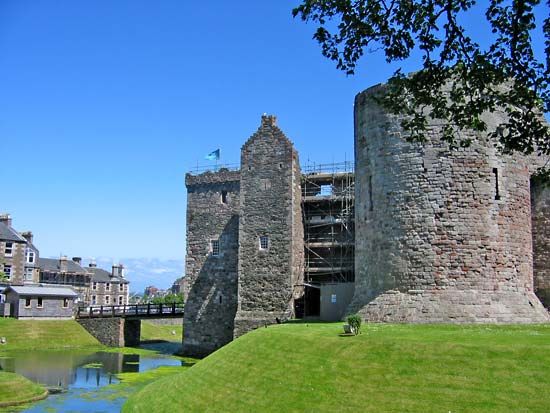
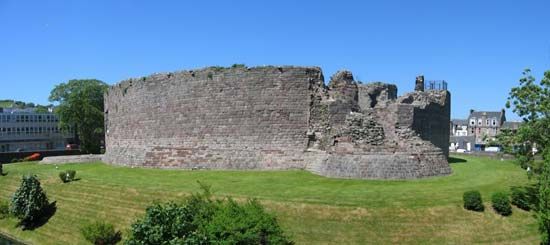
Bute served as a notable royal residence for the Scottish monarchy. Rothesay Castle, which dates back to Viking times, was utilized by Robert II and Robert III of Scotland. In 1398, Robert III designated his eldest son, David, as the Duke of Rothesay. This title remains the highest Scottish honor held by the heir apparent to the throne of the United Kingdom.41
Ancient and Early History
The island features extensive evidence of human activity spanning millennia:
- Prehistoric Sites: Excavations have uncovered evidence of habitation dating to the Neolithic Period.4
- Iron Age: The island is home to a notable vitrified fort at Dunagoil.4
- Early Christianity: The landscape contains the remains of numerous early Christian chapels, reflecting the island’s long-standing religious history.24
Additionally, Bute was the site of Scotland’s first cotton-spinning mill, which utilized waterpower from Loch Fad, marking an early milestone in the nation’s industrial development.1
What are the main tourist attractions on the Isle of Bute?
The Isle of Bute is a popular destination for visitors, with tourism serving as a primary economic activity for the island. Key attractions and points of interest include:4
- Rothesay: As the island’s chief port and resort town, Rothesay is a central hub for visitors. Its sheltered bay is a well-known destination for pleasure cruises.42
- Rothesay Castle: Located in the heart of the town, this 11th-century fortress dates back to the Viking era. Once a royal residence for Robert II and Robert III, it is now preserved as an ancient monument.41
- Historical and Archaeological Sites: The island is rich in history, featuring numerous early Christian chapel remains and prehistoric sites. Notable among these is the Iron Age vitrified fort at Dunagoil.12
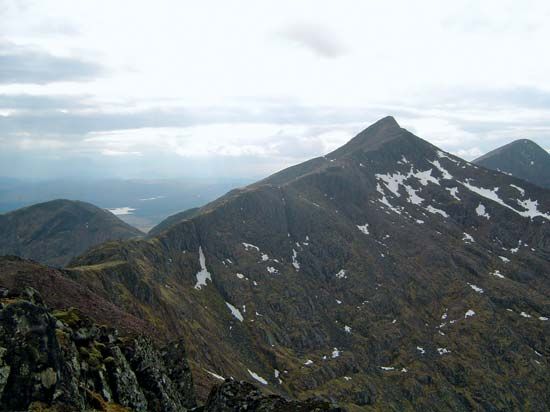
- Natural Landscapes: Bute offers diverse scenery, from the hilly terrain of the north—reaching 913 feet at Windy Hill—to the flatter, fertile lands of the south, which are dotted with small lochs.2
What annual events or festivals are celebrated on the Isle of Bute?
Sorry, the Britannica knowledge base does not contain information regarding specific annual events or festivals celebrated on the Isle of Bute.
Sources
- Bute — Encyclopædia Britannica
- Buteshire — Encyclopædia Britannica
- Bute — Merriam-Webster
- Rothesay — Encyclopædia Britannica
Published on · 2 min read