Buttercup
A buttercup is a genus (Ranunculus) of approximately 300 species of herbaceous flowering plants. These plants are widely distributed globally, particularly…
What is a buttercup and which plant family does it belong to?
A buttercup is a genus (Ranunculus) of approximately 300 species of herbaceous flowering plants1. These plants are widely distributed globally, particularly in the woods and fields of the north temperate zone. Physically, they are characterized by solitary or loosely clustered flowers typically featuring five green sepals and five or more glossy yellow or white petals.1
Buttercups belong to the Ranunculaceae family, which is also commonly known as the buttercup family. This diverse family includes over 2,200 species of flowering plants, such as anemone, larkspur, and marsh marigold, and is found primarily in temperate and subtropical regions.2
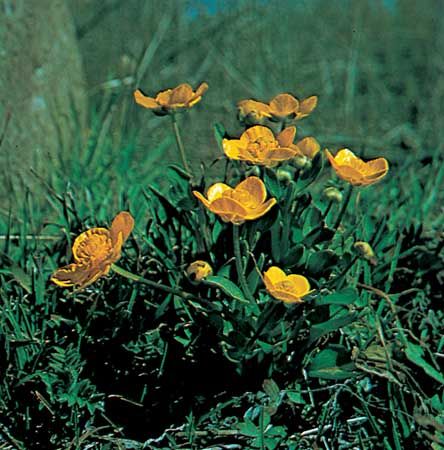
What are the distinctive features of buttercup flowers?
Buttercup flowers, belonging to the genus Ranunculus, possess several distinctive physical characteristics that define their appearance:
- Floral Structure: The flowers are typically solitary or loosely clustered. They are classified as regular or actinomorphic flowers, meaning they exhibit radial symmetry; any line drawn through the center divides the flower into two identical halves.12
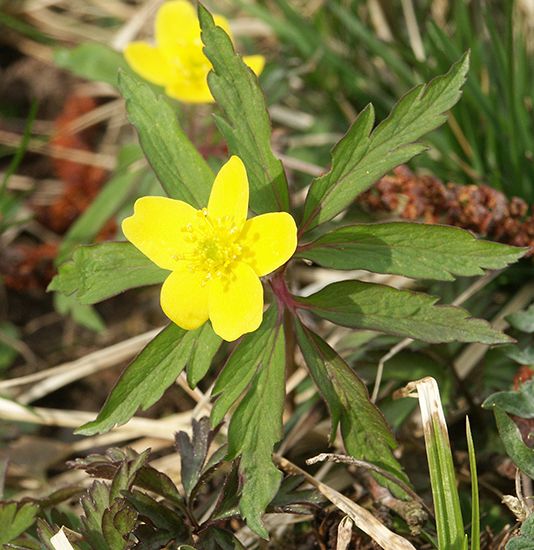
- Sepals and Petals: A typical buttercup flower features five green sepals and five or more glossy yellow or white petals. While wild species are often yellow, cultivated varieties have been bred in a wide range of colors.1
- Reproductive Parts: Each flower contains numerous male and female structures, specifically stamens and pistils, which are always separate from one another.13
These features are characteristic of the Ranunculaceae family, which is known for its diverse and often showy flowers.34
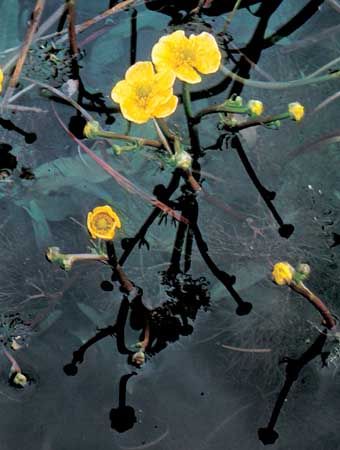
Where are buttercups commonly found and in what types of habitats do they thrive?
Buttercups are distributed globally, with the greatest diversity found in the temperate and subtropical regions of the world. In the tropics, they are primarily restricted to high-elevation environments.123
These plants thrive in a variety of habitats, reflecting the diversity of the genus Ranunculus:
- Woods and Fields: They are especially common in the woods and fields of the north temperate zone.1
- Wetlands: Certain species, such as the swamp buttercup (R. hispidis), are specifically adapted to wetland environments.1
- Aquatic Environments: Some species, including the pond crowfoot (R. peltatus) and the common water crowfoot (R. aquatilis), are aquatic plants that feature both broad floating leaves and finely dissected submerged leaves.1
While many species are native to specific regions like Eurasia or North America, several have been widely introduced or naturalized in new territories.1
How many species of buttercup exist, and what are some of the most common ones?
The genus Ranunculus, which comprises the buttercup, consists of approximately 300 species of herbaceous flowering plants. It is important to note that while the broader Ranunculaceae family contains over 2,200 species, the term “buttercup” specifically refers to the members of the Ranunculus genus.213
Some of the most common and notable species include:
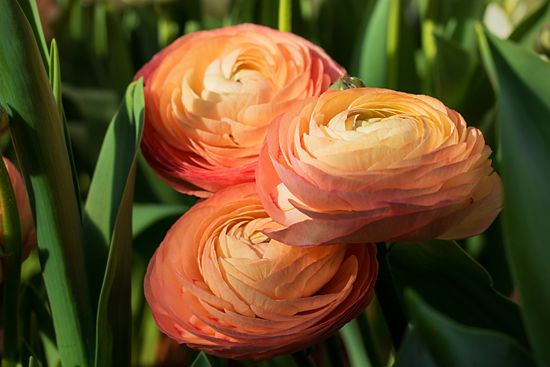
- Persian buttercup (Ranunculus asiaticus): Widely known as the florist’s ranunculus.2
- Tall meadow buttercup (R. acris): A wild species native to Eurasia that has been introduced to many other regions.2
- Swamp buttercup (R. hispidis): Found in the wetlands of eastern North America.2
- Creeping buttercup (R. repens): A Eurasian species that has become widely naturalized in America.2
- Water crowfoots (R. peltatus and R. aquatilis): Aquatic species characterized by their distinct floating and submerged leaves.2
Sources
- buttercup — Encyclopædia Britannica
- Ranunculaceae — Encyclopædia Britannica
- list of plants in the family Ranunculaceae — Encyclopædia Britannica
- butterflower — Merriam-Webster
- Angiosperm - The corolla — Encyclopædia Britannica
Published on · 3 min read