Anemone
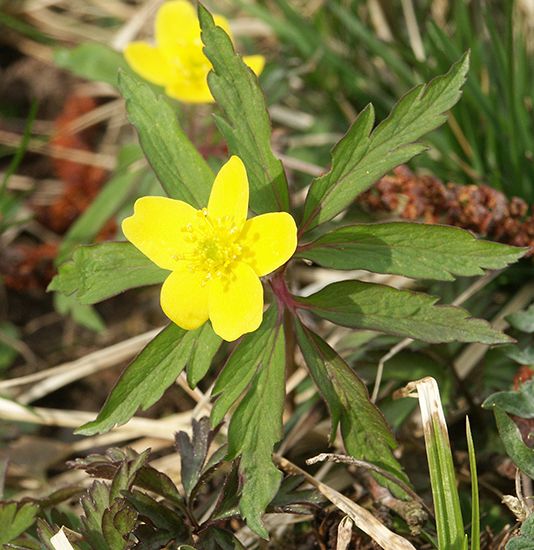
Anemones are not plants in the botanical sense of being "anemone plants"; rather, they are a genus of perennial flowers in the buttercup family. These…
How are anemone plants used in gardening and landscaping?
Anemones are not plants in the botanical sense of being “anemone plants”; rather, they are a genus of perennial flowers in the buttercup family. These versatile plants are widely used in gardening and landscaping for their colorful, poppy-like blooms.1
Gardeners often utilize specific varieties based on their flowering season:
- Spring-flowering: Species such as A. apennina, A. blanda, and A. pavonina are popular choices for naturalizing in garden beds and landscapes.1
- Autumn-flowering: The Japanese anemone (A. hupehensis or A. japonica) is a favorite for adding color to garden borders during the fall.1
- General Cultivation: The tuberous A. coronaria is frequently grown for both home gardens and the florist trade due to its vibrant appearance.1
Because they are native to woodlands and meadows, many species thrive in similar environments, making them excellent additions to shaded or semi-shaded garden areas.1
Do anemone plants have any cultural or symbolic significance in different parts of the world?
Anemones carry significant cultural and symbolic weight, often rooted in mythology and religious tradition. The name itself, derived from the Greek word for “windflower,” reflects the belief that the blossoms are blown open by the wind.1
In Greek mythology, the red anemone (A. coronaria) is famously associated with the death of Adonis. Legend holds that these flowers sprang from the earth where his blood fell, leading to their common designation as “Adonis flowers” in his memory.1
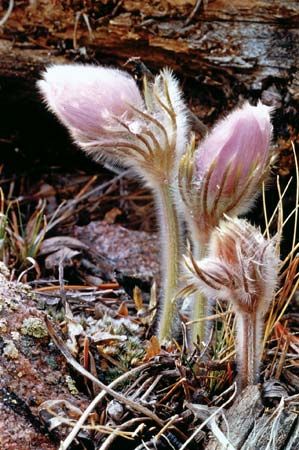
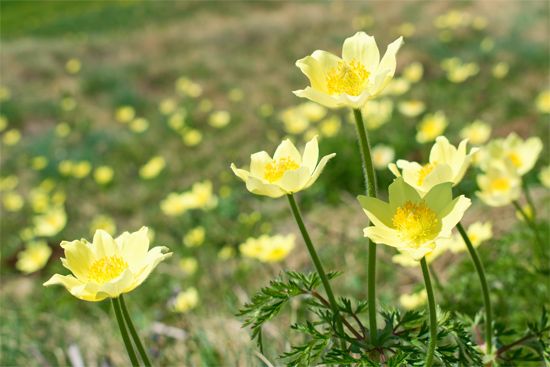
In other traditions, the genus is linked to religious observances. Certain species, such as A. patens, A. pratensis, and A. pulsatilla, are known as “pasqueflowers.” The name is derived from the Old French pasque (meaning Easter), signifying their role as floral emblems of the holiday.1
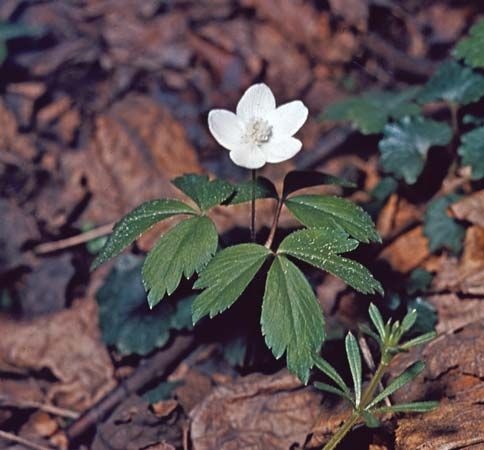
Beyond these symbolic associations, some species have historical significance in human use; for example, the European wood anemone (A. nemorosa) was once utilized as an ingredient in traditional medicines, though it is known to cause skin blistering.1
Are there any medicinal or culinary uses for anemone plants?
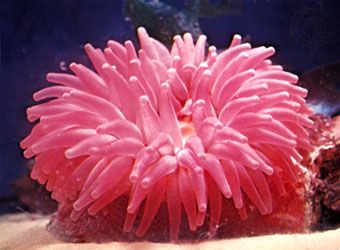
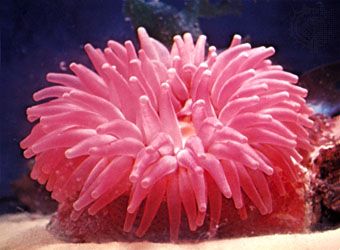
It is important to clarify that the term “anemone” refers to two distinct types of organisms: the anemone genus of perennial flowers in the buttercup family and sea anemones, which are predatory marine animals.
Regarding the plant genus Anemone:
- Medicinal: Historically, the European wood anemone (A. nemorosa) was used as an ingredient in medicines, though it is known to cause skin blistering and is not considered safe for general use.1
- Culinary: There are no documented culinary uses for the Anemone plant genus in the provided information.
Regarding the marine animal known as the sea anemone:
- Culinary: Sea anemones are consumed as food in certain regions of Asia and North America.2
- Medicinal: While not used as traditional food-based medicine, extracts from many cnidarians—the group to which sea anemones belong—have been studied for their heart-stimulant, anti-inflammatory, and antitumour properties.2
It is essential to exercise caution, as many cnidarians possess toxins that can cause painful stings or severe reactions in humans.2
Where are anemone plants typically found in nature?
Anemone plants (genus Anemone) are distributed globally, though they are most commonly found in the woodlands and meadows of the north temperate zone. While many varieties are cultivated in gardens for their colourful flowers, they naturally thrive in these temperate environments.1
It is important to distinguish these perennial plants from sea anemones, which are sedentary marine animals found in all oceans, ranging from the tidal zone to depths of more than 10,000 metres.4
Sources
- anemone — Encyclopædia Britannica
- cnidarian - Importance — Encyclopædia Britannica
- pasqueflower — Merriam-Webster
- anemone fish — Encyclopædia Britannica
- sea anemone — Encyclopædia Britannica
Published on · 3 min read