Cacao
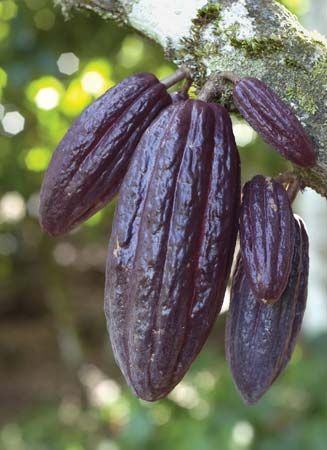
Cacao trees (Theobroma cacao) face significant threats from various pests and diseases, which often lead to crop losses ranging from 30 to 100 percent.…
What pests and diseases commonly affect cacao trees?
Cacao trees (Theobroma cacao) face significant threats from various pests and diseases, which often lead to crop losses ranging from 30 to 100 percent. Because of these hazards, most commercial production occurs on small, isolated farms to prevent the rapid spread of infections.1
Common Diseases
- Pod Rots: Black pod, caused by the fungus Phytophthora, thrives in humid, rainy conditions. Other serious fungal diseases include witches’ broom and frosty pod rot, which are major concerns for global growers.1
- Vascular Streak Dieback: A fungal condition (Oncobasidium theobroma) that causes trees in Asia to dry out starting from the branch tips.1
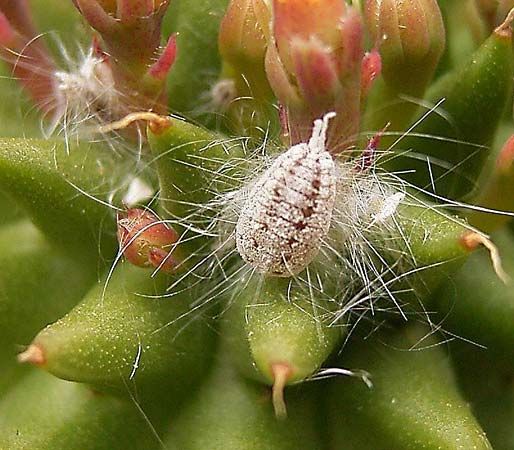
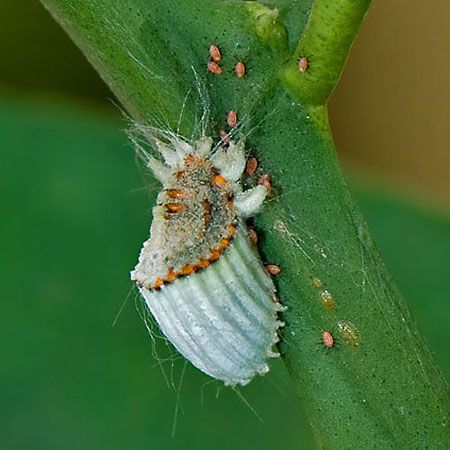
- Swollen Shoot: A viral disease transmitted by mealybugs that has caused extensive damage to crops in Ghana and Nigeria.1
Common Pests
Various insects cause significant vegetative and crop damage, including:
- Mealybugs
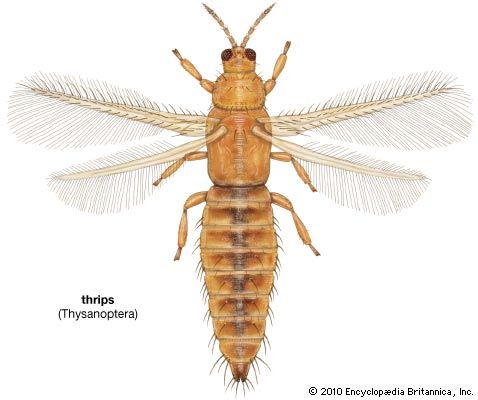
- Thrips
- Scale insects
- True bugs (heteropterans)
- The cocoa pod borer, a common pest in Southeast Asia.1
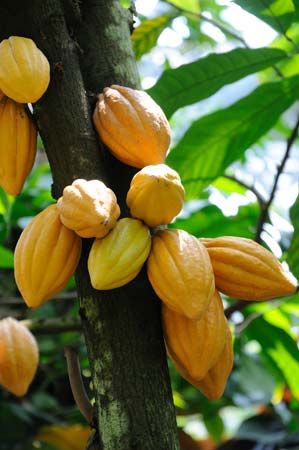
What is the scientific name of the cacao tree and where is it native to?
The scientific name of the cacao tree is Theobroma cacao, a name derived from Greek that translates to “food of the gods”.2
The tree is native to the lowland rainforests of the Amazon and Orinoco river basins in South America.12
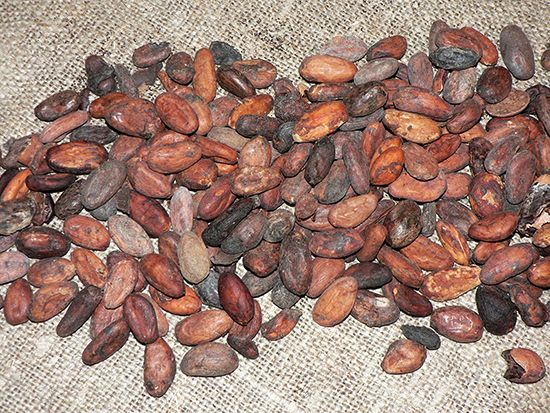
How are cacao beans harvested and processed to make chocolate?
The transformation of cacao into chocolate is a meticulous process that begins with harvesting and concludes with refined confectionery.
Harvesting and Fermentation
Harvesting occurs year-round, though most crops are gathered during two primary flush periods. Workers cut ripe pods from trees and split them with machetes to extract the beans and their surrounding pulp. These are then fermented for one to seven days, depending on the variety, to develop flavor, fragrance, and color. During this stage, the germ is killed, and the beans develop a characteristic reddish-brown hue.345
Drying and Preparation
After fermentation, the beans are sun-dried or kiln-dried to reduce moisture to 6–7 percent. Before further processing, they are cleaned to remove debris like stones or twigs.456
Roasting and Grinding
Roasting develops flavor, reduces acidity, and facilitates shell removal. The beans are then winnowed—cracked and fanned to separate the shells from the nibs. These nibs are ground into chocolate liquor, a paste containing cocoa butter.64
Refining
The liquor undergoes conching—a process of continuous mixing and aeration—to achieve a smooth texture. Finally, the chocolate is tempered to stabilize cocoa butter crystals, ensuring a glossy finish and a crisp snap before molding.4
What are the main varieties of cacao trees and how do they differ?
Cacao trees are generally categorized into three primary divisions, each with distinct characteristics regarding commercial use and resilience:
- Forastero: This is the most widely cultivated variety and serves as the backbone of the global commercial cocoa industry due to its hardiness and productivity.1
- Criollo: Known for its superior quality, this variety is much less common in commercial production. It is highly prized for its flavor but is significantly more susceptible to disease, making it difficult to grow on a large scale.1
- Trinitario: This is a hybrid resulting from the cross-breeding of Forastero and Criollo trees. It combines the robustness of the Forastero with the refined flavor profile of the Criollo, making it a preferred choice for high-quality [dark chocolate].1
While these are the main divisions of Theobroma cacao, other related species such as T. bicolor and T. angustifolium are also grown in Central America for their edible seeds, which are occasionally blended with standard cocoa beans.1
Sources
- Cacao — Encyclopædia Britannica
- cocoa - History of use — Encyclopædia Britannica
- How is chocolate made? — Encyclopædia Britannica
- cocoa - Cleaning, roasting, and grinding — Encyclopædia Britannica
- cocoa - Fermentation — Encyclopædia Britannica
- cocoa - Harvesting — Encyclopædia Britannica
Published on · 3 min read