Scale Insect
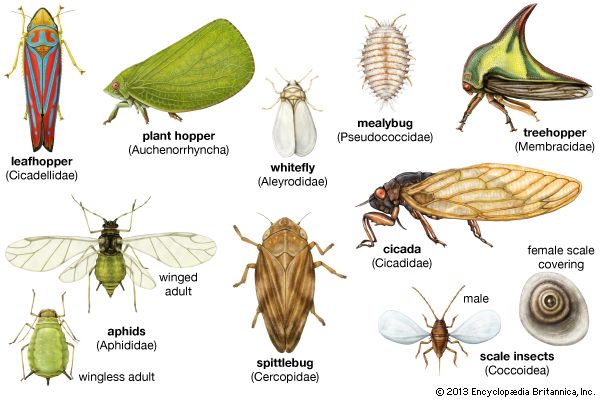
Scale insects are members of the order Homoptera distinguished by several unique physical and developmental characteristics:
What are the key characteristics that distinguish scale insects from other insects?
Scale insects are members of the order Homoptera distinguished by several unique physical and developmental characteristics:
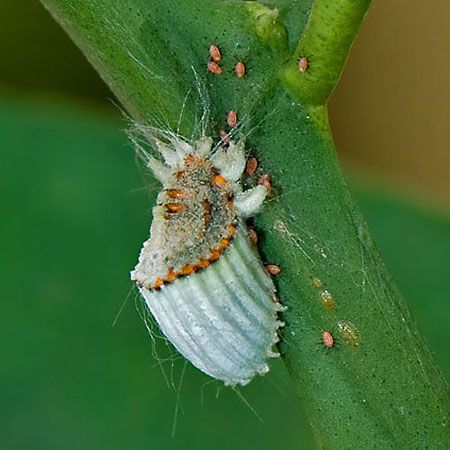
- Protective Coverings: After settling on a host plant, they secrete a protective waxy shell over their soft bodies. This covering may be hard, smooth, sculptured, or filamentous, sometimes resembling cottony cushions.12
- Sessile Lifestyle: Following an initial mobile stage known as “crawlers,” females typically lose their legs, antennae, and eyes, becoming sessile (permanently attached) to the plant to feed.12
- Extreme Sexual Dimorphism: Males and females are so physically different that they are often difficult to associate as the same species. Adult females are wingless with reduced appendages, while adult males possess one pair of delicate wings, well-developed legs and antennae, and lack mouthparts.23
- Unique Metamorphosis: While females remain wingless and do not change form as they mature, males undergo a more complete metamorphosis beneath their scale covering, passing through a pupal stage before emerging as winged adults.1
What are some natural predators and control methods for managing scale insect populations?
Managing scale insect populations often involves biological control, which utilizes natural enemies to reduce pest numbers. Because scale insects are often protected by waxy shells, they are susceptible to specific predators and parasites that have evolved to overcome these defenses.256
Natural Predators and Parasites
Several insects serve as effective natural enemies of scale populations:
- Ladybird Beetles: Various species of ladybird beetles, such as the vedalia beetle, are significant predators. Both the larvae and adults feed on scale insects, with some species being highly effective at suppressing specific outbreaks.26
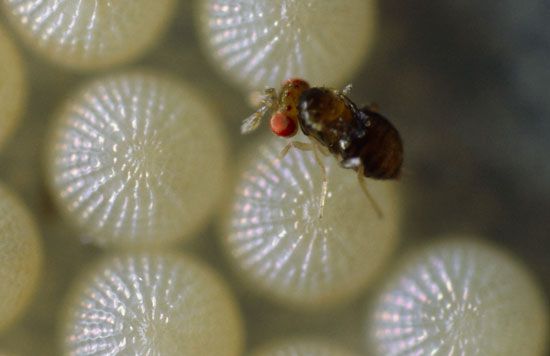
- Parasitic Wasps: Many wasps, including members of the families Encyrtidae and Eulophidae, act as parasites. These wasps lay their eggs in or on the scale insects, and the developing larvae consume the host. Some eulophid wasps exhibit complex behaviors, where males may act as hyperparasites by attacking other parasites of the scale.6
- Other Predators: Larvae of certain gall midges and chamaemyiids (aphidflies) are known to prey on scale insects and mealybugs.6
Management Considerations
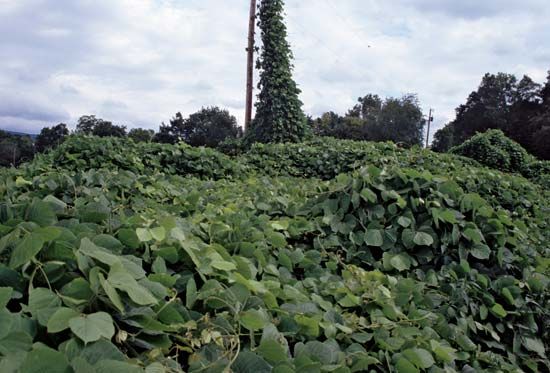
Biological control is an environmentally sound strategy, but it requires careful implementation. Introducing non-native predators can sometimes lead to unintended ecological consequences, such as the disruption of native species or the establishment of invasive species. Therefore, any management program must be thoroughly evaluated to ensure that the introduced organisms effectively target the pest without harming the surrounding ecosystem.2
How do scale insects reproduce and what is their life cycle like?
Scale insects exhibit a highly specialized life cycle and reproductive strategy characterized by extreme sexual dimorphism and a sessile existence for females.13
Reproduction
While most homopterans reproduce bisexually, scale insects display varied reproductive habits. Eggs may be retained within the female’s body, deposited beneath her protective scale covering, or extruded into a mass protected by waxy plates or shreds. Fecundity is generally high; while many produce a few hundred eggs, some species, such as the cottony maple scale, can lay up to 5,000. An unusual case is the cottony cushion scale, Icerya purchasi, which is hermaphroditic and capable of self-fertilization.13
Life Cycle
The life cycle begins with the “crawler” stage—mobile young that emerge from the scale covering to find a feeding site. Once settled, they insert their mouthparts into the plant and become sessile. Females lose their legs, antennae, and eyes, remaining wingless throughout their lives while enlarging their protective waxy shell. Conversely, males undergo a more complete metamorphosis beneath their scale, passing through a pupal stage before emerging as winged adults to seek out and mate with the sedentary females.13
How do scale insects feed, and what damage do they cause to plants?
Scale insects are specialized plant-sucking insects that feed by inserting their proboscis—a tubular sucking organ—directly into the plant’s tissues, such as the bark, leaves, twigs, or fruit, to extract sap. Once they settle and begin feeding, many species remain in that location for the rest of their lives.72
Plant Damage
The damage caused by scale insects can be severe, particularly when populations become large enough to encrust plant surfaces. Key impacts include:7
- Direct Plant Injury: By removing excessive amounts of sap, scale insects weaken the host plant. In cases of heavy infestation, the entire plant may die.7
- Honeydew and Sooty Mold: As they feed, scale insects excrete a sugary surplus known as honeydew. This substance often coats leaves and fruit, promoting the growth of sooty mold. This dark fungal layer can significantly reduce the plant’s ability to perform photosynthesis by blocking light, and it can render fruit unmarketable.72
- Disease Transmission: While not as commonly cited as other homopterans for this specific trait, the feeding process and associated secretions create environments that can facilitate secondary issues for the host plant.7
Sources
- homopteran - Scale insects — Encyclopædia Britannica
- scale insect — Encyclopædia Britannica
- homopteran - Reproduction and growth — Encyclopædia Britannica
- mealybug — Encyclopædia Britannica
- Biological control — Encyclopædia Britannica
- homopteran - Associations with other insects — Encyclopædia Britannica
- homopteran - Importance — Encyclopædia Britannica
- fungus - Parasitism in plants and insects — Encyclopædia Britannica
- insect - Head — Encyclopædia Britannica
Published on · 4 min read