Callistemon
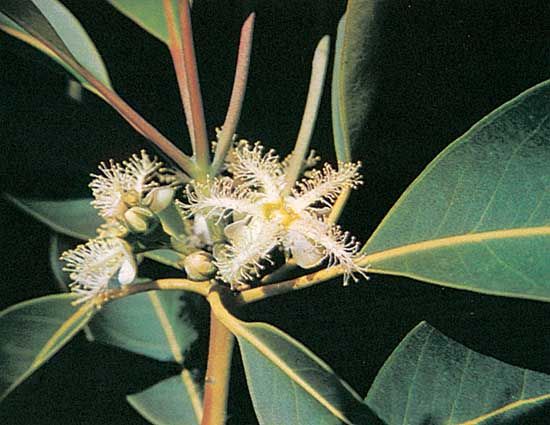
Callistemon is a genus of shrubs and trees belonging to the Myrtaceae family, native to Australia. These plants are widely known as bottlebrushes due to…
What is Callistemon?
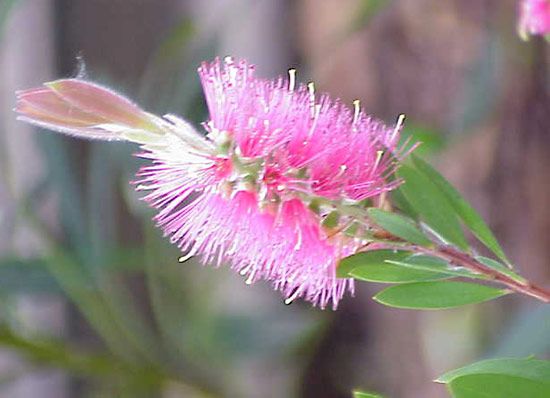
Callistemon is a genus of shrubs and trees belonging to the Myrtaceae family, native to Australia1. These plants are widely known as bottlebrushes due to their distinctive spikes of showy flowers.1
While they are native to Australia, they are frequently cultivated outdoors in western North America and are often grown in greenhouses in colder climates. One of the most popular species, C. lanceolatus (also known as C. citrinus), typically reaches heights of 3 to 6 meters (10 to 20 feet) and is characterized by its lance-shaped leaves and vibrant red stamens.1
Why are they called bottlebrushes?
They are called bottlebrushes because of the unique shape of their flowers. The plant produces dense, brushlike spikes of showy, brightly colored stamens that resemble the tools traditionally used to clean the inside of bottles.123
What role do stamens play in plant reproduction?
The stamen serves as the male reproductive part of a flower, playing a critical role in the plant’s reproductive cycle by producing pollen.4
A typical stamen consists of two primary structures:
- Filament: A long, slender stalk that supports the anther.45
- Anther: The tip of the stamen, which contains saclike structures called microsporangia. These sacs produce and eventually release pollen, which is essential for pollination—the transfer of pollen to the stigma of a pistil.45
Additionally, many flowers feature nectaries at the base of the stamens. These secretory structures provide food rewards that attract insects and birds, which in turn facilitate the transfer of pollen between flowers. While stamens are often referred to as “male” organs, they are technically spore-bearing structures of the sporophyte that enable the development of male gametophytes.46
What other plants belong to the Myrtaceae family?
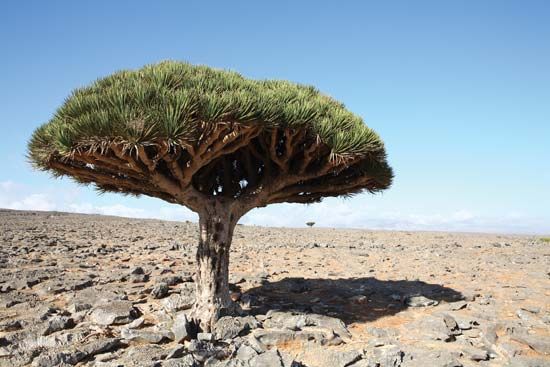
The Myrtaceae family, also known as the myrtle family, comprises approximately 131 to 150 genera and thousands of species of trees and shrubs. These plants are widely distributed in tropical and subtropical regions, with significant diversity in Australia and tropical America.78
Notable members of the Myrtaceae family include:
- Economic and Culinary Plants: Eucalyptus, guava, clove, allspice, feijoa, jaboticaba, rose apple, and Surinam cherry.7
- Ornamental and Native Genera: Callistemon (bottlebrushes), Leptospermum, Eugenia, myrtle, Brisbane box, and Corymbia.78
These plants are generally characterized by leathery, evergreen leaves containing oil glands that produce fragrant oils, as well as flowers with numerous stamens.79
Sources
- Callistemon — Encyclopædia Britannica
- Callistemon — Merriam-Webster
- bottlebrush — Merriam-Webster
- stamen — Encyclopædia Britannica
- anther — Encyclopædia Britannica
- plant reproductive system - Angiosperms — Encyclopædia Britannica
- Myrtaceae — Encyclopædia Britannica
- Myrtaceae — Merriam-Webster
- Myrtales - Family distributions and abundance — Encyclopædia Britannica
Published on · 2 min read