Camarasaurus
The name Camarasaurus is derived from New Latin, originating from the Greek word kamara, which means "vaulted chamber," combined with the New Latin suffix…
How did Camarasaurus get its name, and what does it mean?
The name Camarasaurus is derived from New Latin, originating from the Greek word kamara, which means “vaulted chamber,” combined with the New Latin suffix -saurus, meaning “lizard”.1
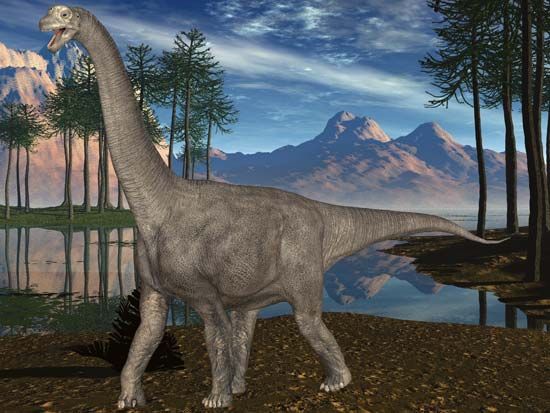
This name refers to the distinctive structure of the dinosaur’s vertebrae, which contained hollow, chamber-like cavities. These chambers helped lighten the skeleton while maintaining its strength. Camarasaurus was a common sauropod that lived during the Late Jurassic Period and is well-known for its relatively short, snub-nosed skull and spoon-shaped teeth.12
What are the key physical characteristics of Camarasaurus?
Camarasaurus was a sauropod that lived during the Late Jurassic Period, characterized by several distinct physical features:2
- Size: They reached lengths of approximately 18 meters (59 feet), making them generally smaller than other contemporary sauropods like diplodocids and brachiosaurs.2
- Skull and Teeth: They possessed a relatively short, snub-nosed skull with large, spoon-shaped teeth.2
- Nostril Placement: Their nostrils were positioned in front of the eyes, distinguishing them from brachiosaurs (where nostrils were above the eyes) and diplodocids (where they were at the tip of the snout).2
- Neck and Tail: Compared to other sauropods, Camarasaurus had comparatively shorter necks and tails.2
- Vertebrae: The genus name refers to the “vaulted chamber” structure of their vertebrae, which contained hollow cavities to reduce skeletal weight while maintaining strength.1
When and where did Camarasaurus live during the Jurassic period?
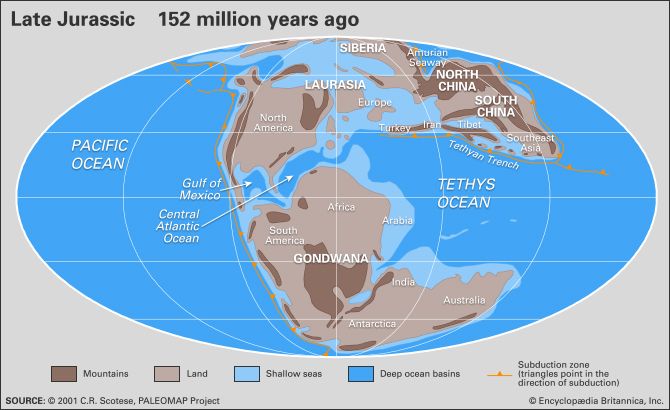
Camarasaurus lived during the Late Jurassic Period, approximately 161 million to 146 million years ago.2
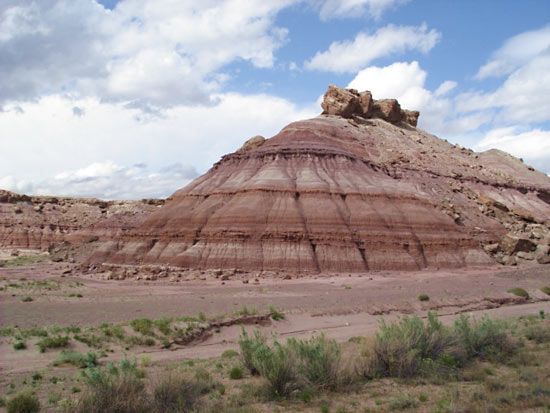
Fossils of this genus have been discovered in western North America, particularly within the Morrison Formation—a series of sedimentary rocks spanning from Montana to New Mexico. Significant specimens were famously recovered from sites such as Como Bluff in Wyoming and various locations in Colorado, including the town of Morrison and Canon City3. These areas were characterized by rivers, streams, lakes, and alluvial plains that supported a diverse range of dinosaur life during the Late Jurassic.23
How does Camarasaurus compare to other sauropod dinosaurs in terms of size and diet?
Camarasaurus was a notable sauropod of the Late Jurassic Period, distinguished from its contemporaries by both its physical stature and its feeding apparatus.2
Size Comparison
Reaching lengths of approximately 18 meters (59 feet), Camarasaurus was generally smaller than other prominent Late Jurassic sauropods. For instance, brachiosaurs could reach lengths of 30 meters and weights of 80 metric tons, while diplodocids like Apatosaurus routinely grew to 21 meters or more. Camarasaurus also possessed comparatively shorter necks and tails than these larger relatives.26
Diet and Feeding
Like all sauropods, Camarasaurus was a herbivore. While direct evidence of their specific plant preferences is limited, they likely consumed abundant conifers and palm trees, as high-calorie angiosperms had not yet evolved.67
Their feeding strategy is reflected in their unique skull structure:
- Teeth: Unlike the narrow, pencil-shaped teeth of diplodocids, Camarasaurus had broad, spoon-shaped teeth suited for browsing.28
- Feeding Style: Their long necks allowed them to browse on high branches and treetops, similar to modern giraffes. They likely relied on gut bacteria or swallowed stones to process their cellulose-heavy diet.867
Sources
- Camarasaurus — Merriam-Webster
- Camarasaurus — Encyclopædia Britannica
- dinosaur - American hunting expeditions — Encyclopædia Britannica
- Morrison Formation — Encyclopædia Britannica
- Jurassic Period - Occurrence and distribution of Jurassic rocks — Encyclopædia Britannica
- dinosaur - Sauropoda — Encyclopædia Britannica
- sauropod — Encyclopædia Britannica
- dinosaur - The plant eaters — Encyclopædia Britannica
Published on · 2 min read