Campion
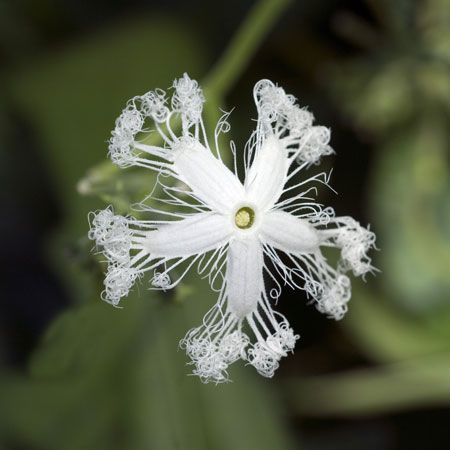
The Silene genus, commonly known as campion or catchfly, includes approximately 900 species of herbaceous flowering plants. These plants belong to the pink…
How many species are included in the Silene genus, and where are they primarily found?
The Silene genus, commonly known as campion or catchfly, includes approximately 900 species of herbaceous flowering plants. These plants belong to the pink, or carnation, family (Caryophyllaceae).12
Regarding their distribution, species of Silene are found throughout the world. While they are globally distributed, the broader family to which they belong, Caryophyllaceae, is primarily found in north temperate regions.132
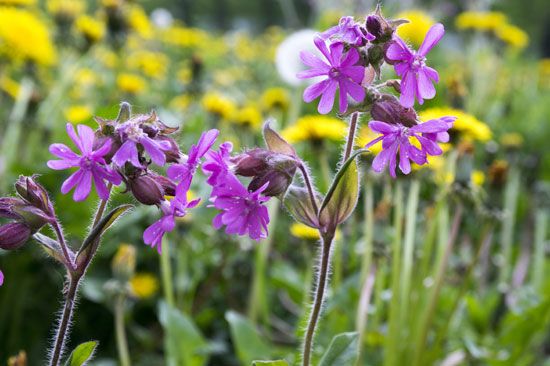
How have Silene plants been used traditionally in medicine or folklore?
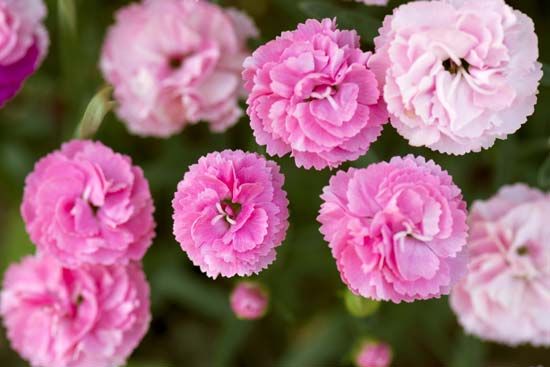
While many species of Silene are primarily recognized as ornamental garden plants, certain varieties hold significant cultural and traditional roles.
The most notable example is the African dream root (Silene undulata), which is native to southern Africa. This plant is considered sacred by the Xhosa people. Traditionally, it has been utilized by shamans and diviners to induce prophetic states of lucid dreaming, playing a distinct role in their spiritual and cultural practices.1
Beyond this specific use, the genus is widely known for its physical characteristics—such as the sticky stems that earned them the name “catchfly”—rather than extensive historical use in mainstream medicine or folklore.1
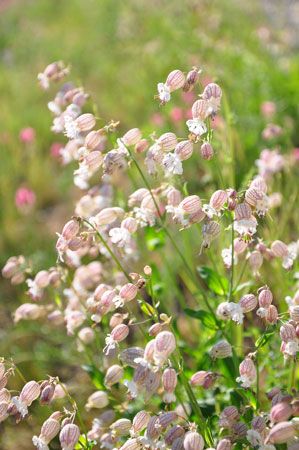
What are some common names for Silene plants, and why are they called campions?
The Silene genus, which belongs to the pink or carnation family (Caryophyllaceae), is known by several common names, most notably campion and catchfly.12
Specific species often carry descriptive names based on their appearance or habitat, such as:
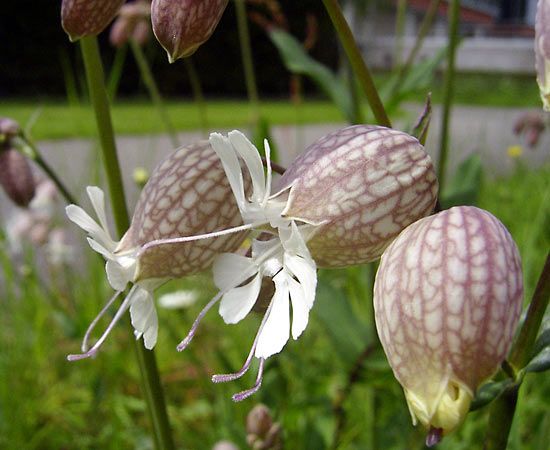
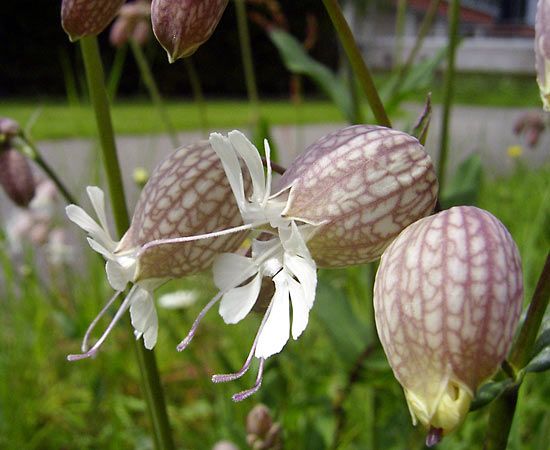
- Bladder campion (S. vulgaris)1
- Maltese Cross or Jerusalem Cross (S. chalcedonica)1
- Flower-of-Jove (S. flos-jovis)1
- Autumn catchfly or Caucasian campion (S. schafta)1
- Moss campion and wild pink3
The name “catchfly” refers to the sticky, or viscid, material often found on the stems of these plants, which can trap insects. While this feature might suggest the plants are carnivorous, they are not classified as such.14
Regarding the name “campion,” etymological records suggest it is likely derived from the obsolete word for “champion”. The term is broadly applied to various plants within the Silene and Lychnis genera of the pink family.5
Are there any notable Silene species that are considered rare or endangered?
Sources
- campion — Encyclopædia Britannica
- silene — Merriam-Webster
- Caryophyllaceae — Encyclopædia Britannica
- campion — Merriam-Webster
- catchfly — Merriam-Webster
- alpine catchfly — Merriam-Webster
Published on · 2 min read