Canary
The canary (Serinus canaria) is native to the Canary Islands, as well as the Azores and Madeira islands. In their natural habitat, these birds are…
What is the origin of canary birds and how were they domesticated?
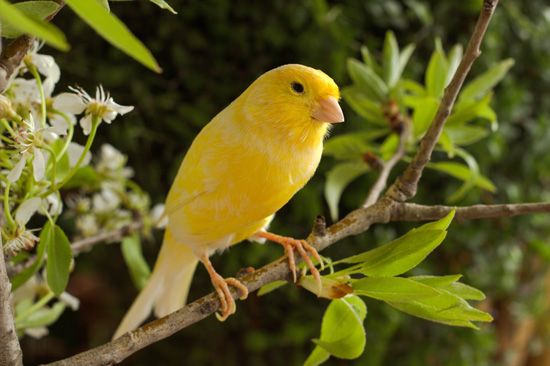
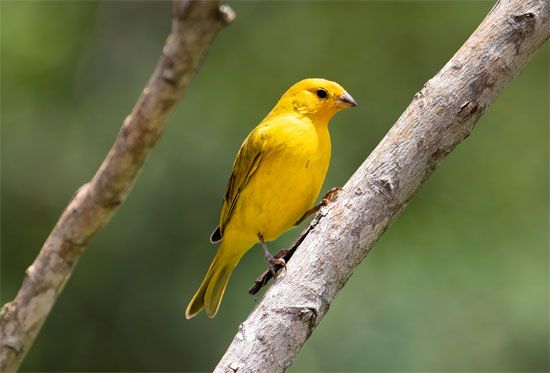
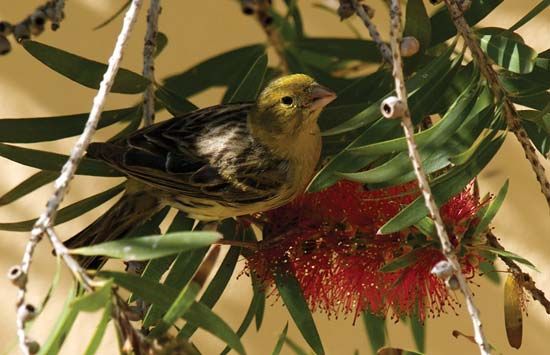
The canary (Serinus canaria) is native to the Canary Islands, as well as the Azores and Madeira islands. In their natural habitat, these birds are streak-backed and primarily greenish-brown in color.1
The domestication and development of the modern canary are the result of approximately 400 years of selective breeding by humans. Through this process, breeders have significantly altered the birds’ original appearance and enhanced their vocal abilities. This has led to the development of various specialized breeds, such as the Hartz Mountain, Norwich, and Yorkshire varieties, as well as distinct vocal types like “rollers,” which produce continuous trills, and “choppers,” which sing with loud, distinct notes.1
How long do canaries typically live, and what factors influence their lifespan?
The average lifespan of a caged canary is typically 10 to 15 years, though some individuals have been known to live for more than 20 years.1
While the provided information does not detail specific environmental or biological factors that influence these lifespans, the longevity of captive birds is generally supported by consistent care, proper nutrition, and a stable environment. As members of the Fringillidae family, their health and well-being in captivity are largely dependent on the quality of husbandry provided by their owners.1
What are the most common types or breeds of canary birds?
Canary breeds are primarily categorized by their vocal styles or their physical characteristics, developed through centuries of selective breeding. While there are many varieties, some of the most well-known include:
- Hartz Mountain: A popular breed often recognized for its song and historical significance in the canary trade.
- Norwich: A breed noted for its distinct physical appearance and conformation.
- Yorkshire: Another prominent breed valued for its specific body shape and posture.
Beyond these specific breeds, canaries are often grouped by their singing style:
- Rollers: These birds are bred to produce continuous, flowing trills where the notes run together.
- Choppers: These birds are characterized by a loud, rhythmic song consisting of distinct, separate notes.
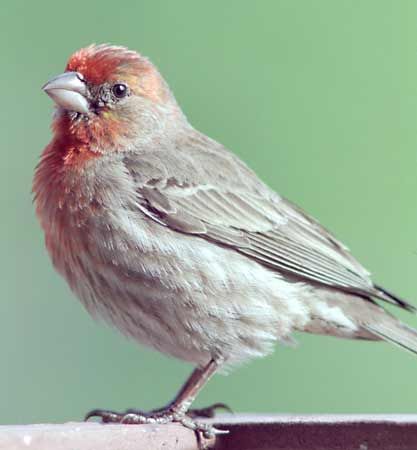
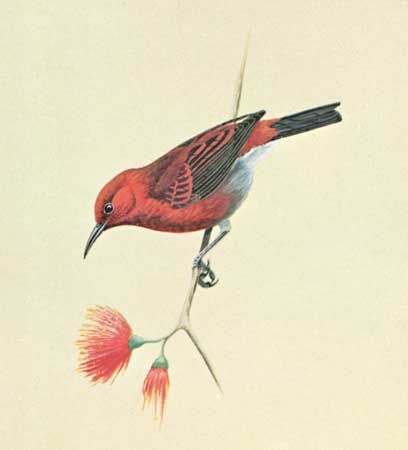
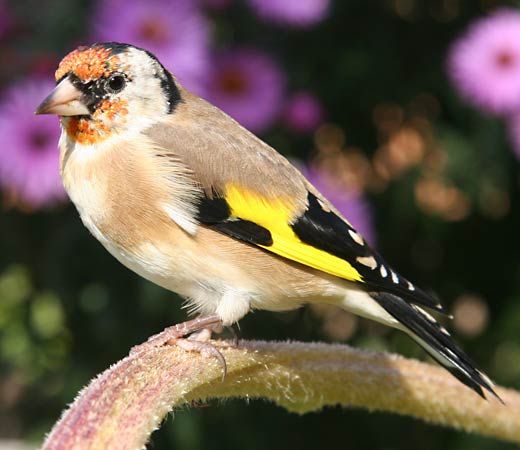
It is important to note that the “wild canary” found in the United States is actually a goldfinch or woodwarbler, and should not be confused with the domesticated Serinus canaria.1
What is the cultural significance of canaries in art, literature, and popular culture?
The cultural significance of the canary extends well beyond its role as a songbird, deeply embedding itself into language and social metaphor.
Metaphorical Significance
The most prominent cultural legacy of the bird is the phrase “canary in the coal mine.” This term serves as a powerful metaphor for an early warning system or the first sign of danger. It originates from the historical practice of miners carrying caged canaries into tunnels; because the birds were more sensitive to toxic gases like carbon monoxide than humans, their distress or death provided a critical alert to evacuate. Today, this imagery is frequently used in economic, environmental, and social contexts to describe indicators of impending trouble.2
Linguistic and Social Associations
In slang and colloquial usage, a canary is often synonymous with an informant or someone who provides secret information to authorities. This usage plays on the bird’s natural ability to “sing,” metaphorically linking the act of vocalization to the act of “singing” to the police or exposing wrongdoing. Additionally, the term has historical roots in other cultural spheres, such as a 16th-century court dance and a type of sweet wine from the Canary Islands.345
Sources
- Canary — Encyclopædia Britannica
- canary in the coal mine — Merriam-Webster
- canary — Merriam-Webster
- canaries — Merriam-Webster
- canary — Merriam-Webster
Published on · 3 min read