Cane Toad
The cane toad (Rhinella marina) is a large, terrestrial, omnivorous amphibian native to Central and South America. While originally introduced to various…
What is a cane toad?
The cane toad (Rhinella marina) is a large, terrestrial, omnivorous amphibian native to Central and South America. While originally introduced to various regions as a natural pesticide for sugarcane crops, it has become one of the world’s most destructive invasive species1.1
These toads are highly toxic, possessing large parotid glands that secrete a milky white substance called bufotoxin. This toxin contains cardioactive steroids that can be fatal to native predators and pets that attempt to eat them. Beyond their toxicity, cane toads are considered a major threat to biodiversity because they are prolific breeders with a voracious appetite, allowing them to outcompete native species for food and habitat.12
In countries like Australia, where they were introduced in 1935, their population has exploded into the millions, causing significant ecological disruption. Due to their hardiness and rapid reproduction, they remain a persistent environmental challenge in many tropical and subtropical areas.12
Where do cane toads come from originally?
Cane toads (Rhinella marina) are native to South America and Central America. Their natural range extends from the Amazon basin in the south up to the lower Rio Grande valley in Texas.21
While they are indigenous to these regions, they have been introduced to many other parts of the world—including Australia, the Caribbean, and parts of the United States—to serve as a natural pesticide on sugarcane plantations. These introductions have resulted in the species becoming a significant invasive pest in their new environments.21
How can you recognize a cane toad?
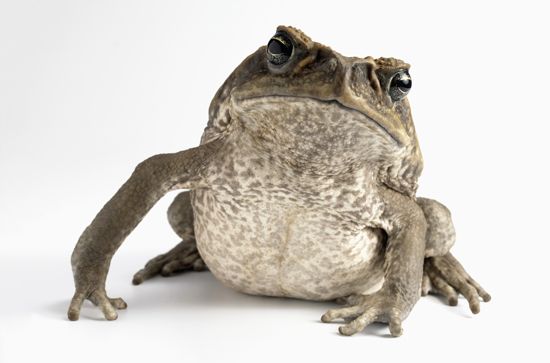
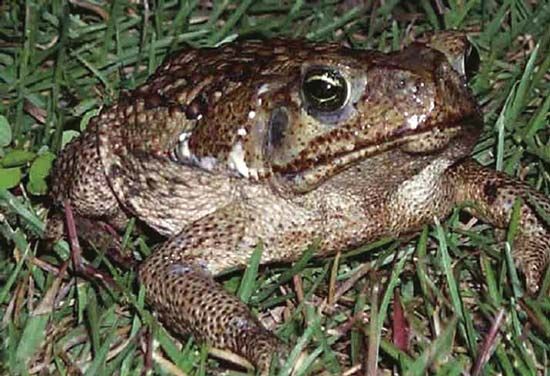
To recognize a cane toad (Rhinella marina), you can look for several distinct physical characteristics:
- Size and Shape: They are large, terrestrial amphibians typically ranging from 10 to 17 cm (4 to 7 inches) in length. They have a somewhat flat, squat, and rotund appearance.1
- Skin: Their skin is dry, rough, and bumpy, with coloring that ranges from reddish to grayish brown, sometimes featuring tinges of red, yellow, or dark green. Males are generally smaller and wartier than females.12
- Distinctive Features: Look for prominent cranial crests located above the eyes. Additionally, they possess large, noticeable parotid glands on their shoulders that extend down the sides of their body; these glands secrete a milky white bufotoxin when the toad feels threatened.1
- Behavioral Clues: They are primarily nocturnal and often communicate with a slow, low-pitched call that has been described as sounding like a faraway tractor.1
Because they are highly toxic, it is important to avoid handling them, as their secretions can cause irritation to the eyes and skin.1
Why were cane toads introduced to places like Australia?
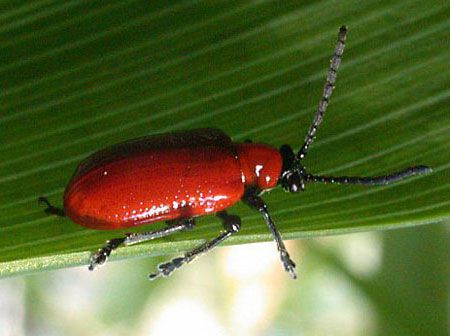
In 1935, the Australian government deliberately introduced 2,400 cane toads (Rhinella marina) into Queensland as a form of biological control a form of biological control. The primary objective was to manage populations of beetles that were damaging sugarcane crops by feeding on the plants’ roots and stunting their growth.24
This strategy proved to be a significant failure. The cane toads did not effectively control the beetle population; instead, they reproduced rapidly and spread across much of northeastern Australia. Because the species is highly toxic and possesses few natural predators in its new environment, it has become one of the most invasive species on Earth, causing severe disruption to local ecosystems by outcompeting native species and poisoning predators that attempt to consume them.4251
Sources
- cane toad — Merriam-Webster
- cane toad — Encyclopædia Britannica
- What’s the Difference Between a Frog and a Toad? — Encyclopædia Britannica
- Sugarcane - Pests — Encyclopædia Britannica
- invasive species - A global problem — Encyclopædia Britannica
Published on · 3 min read