Canine
Throughout history, canines have occupied diverse roles in human culture and mythology, ranging from revered companions to monstrous symbols of the…
How have canines been portrayed in various cultures and mythologies throughout history?
Throughout history, canines have occupied diverse roles in human culture and mythology, ranging from revered companions to monstrous symbols of the underworld.
Mythological Portrayals
In many traditions, dogs and wolves are depicted as powerful, often fearsome guardians or agents of chaos:
- Greek Mythology: The Cerberus served as the monstrous, multi-headed watchdog of the underworld, tasked with preventing the dead from escaping and the living from entering.12
- Norse Mythology: The wolf Fenrir represents a destructive force. Bound by the gods due to his immense strength, he is destined to break free during Ragnarök to battle and eventually devour the god Odin.34
Cultural Significance
The relationship between humans and dogs has evolved over millennia, reflecting varying societal values:
- Ancient Egypt: Dogs were held in high esteem and thought to possess godlike characteristics. They were often pampered, adorned with jewelry, and interred with royalty to serve as protectors in the afterlife.56
- General History: As one of the first domesticated animals, dogs have been essential as hunting allies, guardians of livestock, and companions. While Western societies generally emphasize the dog’s role as a loyal friend and protector, their status varies globally, with some cultures utilizing them for labor or other purposes.56
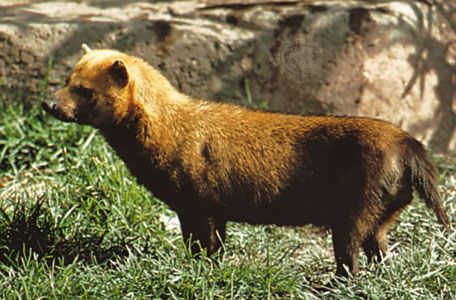
What specialized features do canine teeth have, and how do they differ from other mammalian teeth?
Canine teeth, also known as cuspids, are specialized structures found in most mammals, typically positioned behind or beside the incisors. Their primary function is the tearing and shredding of food, though they also serve as weapons for defense and tools for display.91011
Specialized Features
- Morphology: Canines are generally single-cusped, pointed, and usually possess a single root. In many carnivores, such as dogs, these teeth are high-crowned and sharp, functioning as fangs.911
- Size and Dimorphism: In several species—including pigs, baboons, and gorillas—males possess significantly larger canines than females, which are used for protection and threatening displays.912
- Adaptations: In some animals, canines have evolved into enlarged tusks, such as those seen in the walrus and wild boar. Conversely, human canines are relatively small and do not project significantly, a trait that allows for rotary chewing.910
Differences from Other Mammalian Teeth
- Vs. Incisors: While incisors are adapted for nipping, cutting, and holding, canines are specifically shaped for tearing.1011
- Vs. Cheek Teeth: Premolars and molars are characterized by multiple cusps and are primarily used for crushing and grinding food, whereas canines remain pointed for piercing and shredding.1011
- General Dentition: Unlike the broad, grinding surfaces of herbivorous teeth, canine teeth are designed for a more predatory or defensive role.11
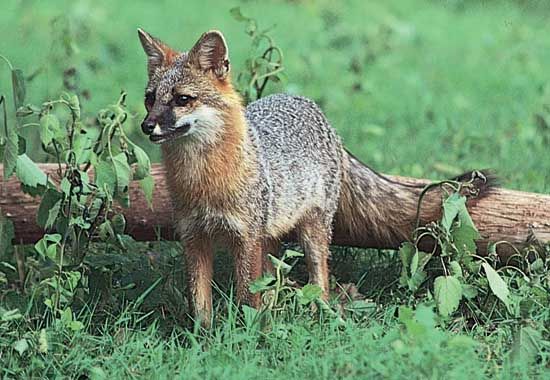
How have humans domesticated certain canine species, and what roles do they play in society?
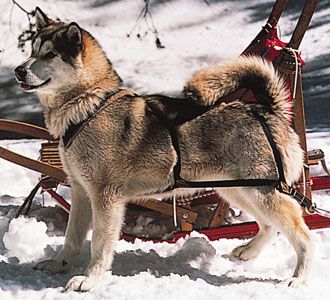
The domestication of dogs (Canis lupus familiaris) from gray wolves is a process that began at least 15,000 to 35,000 years ago. Rather than a single event, this transition likely occurred multiple times across Eurasia as wolves scavenged near nomadic human camps, eventually forging a mutually beneficial relationship. Over millennia, humans utilized selective breeding to accentuate specific instincts, resulting in more than 400 distinct breeds tailored for various societal needs.14151617
Roles in Society
Throughout history, dogs have served diverse functions based on their innate behaviors and human requirements:
- Working and Herding: Breeds were developed to perform specific tasks, such as herding livestock, guarding territories, or hunting.1618
- Assistance: Modern service dogs are trained to aid individuals with disabilities, including guide dogs for the visually impaired, hearing dogs, and seizure-alert animals.5
- Companionship: In many cultures, particularly in Western society, dogs are valued as loyal friends and family members.161920
- Other Roles: In some regions, dogs may serve as guards, beasts of burden, or, in certain cultures, as a food source.1619
How have canines evolved over time, and what are their closest relatives?
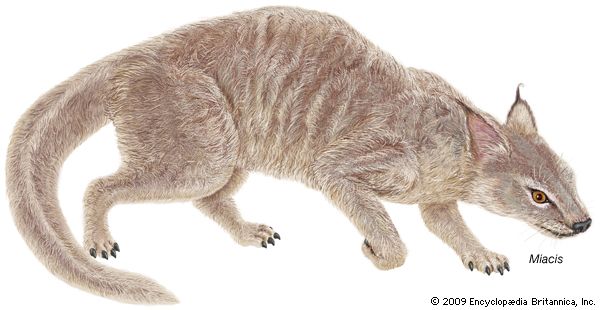
The evolutionary history of canines (family Canidae) spans approximately 60 million years, originating from a small, weasel-like mammal known as Miacis. While Miacis did not leave direct descendants, it served as the ancestor for doglike canids. By 30 to 40 million years ago, these evolved into the first true dog, Cynodictis, which eventually branched into the progenitor of modern wolves, dogs, and foxes, known as Tomarctus.22
Evolutionary Relationships
Canines are part of the order Carnivora and are more closely related to bears and weasels than they are to felines, civets, mongooses, or hyenas.16
Key aspects of their development include:
- Geographic Spread: Originally endemic to North America during the Eocene Epoch, canids expanded into Eurasia, Africa, and South America over millions of years.16
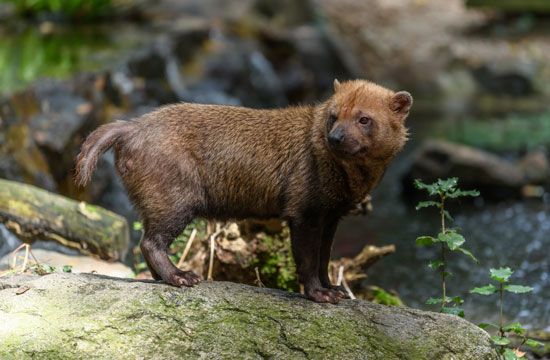
- Modern Classification: The family includes 36 living species, such as foxes, wolves, jackals, and dogs.2316
- Genetic Ties: Domestic dogs are classified as a subspecies of the gray wolf (Canis lupus familiaris), sharing deep genetic and behavioral traits with their wild ancestors.2414
Sources
- hellhound — Encyclopædia Britannica
- Fenrir — Encyclopædia Britannica
- Cerberus — Encyclopædia Britannica
- dog - Role in human societies — Encyclopædia Britannica
- 9 of the World’s Deadliest Mammals - Dogs ( Canis lupus familiaris ) — Encyclopædia Britannica
- Germanic religion and mythology - Loki — Encyclopædia Britannica
- ancient Egyptian religion - The Gods — Encyclopædia Britannica
- 9 (Lives of) Famous Cat Lovers - Ancient Egyptians — Encyclopædia Britannica
- canine tooth — Encyclopædia Britannica
- mammal - Teeth — Encyclopædia Britannica
- tooth — Encyclopædia Britannica
- dog - Teeth — Encyclopædia Britannica
- primate - Teeth — Encyclopædia Britannica
- What dog is closest in DNA to a wolf? — Encyclopædia Britannica
- Origins of agriculture - Earliest beginnings — Encyclopædia Britannica
- dog - Ancestry — Encyclopædia Britannica
- dog — Encyclopædia Britannica
- How Service Animals Help Humans Live Fuller Lives — Encyclopædia Britannica
- Why are dogs so loyal? — Encyclopædia Britannica
- dog - Breed-specific behaviour — Encyclopædia Britannica
- selective breeding — Encyclopædia Britannica
- canine — Encyclopædia Britannica
- dog - Wolves — Encyclopædia Britannica
- dog - Related canids — Encyclopædia Britannica
- canine - Natural history — Encyclopædia Britannica
- jackal — Encyclopædia Britannica
- canine - Paleontology and classification — Encyclopædia Britannica
Published on · 4 min read