Cannabis
The two primary active compounds in cannabis are tetrahydrocannabinol (THC) and cannabidiol (CBD). While both are cannabinoids, they produce distinct effects…
What are the primary active compounds found in cannabis and their effects?
The two primary active compounds in cannabis are tetrahydrocannabinol (THC) and cannabidiol (CBD). While both are cannabinoids, they produce distinct effects on the body and mind.12
Tetrahydrocannabinol (THC)
THC is the primary psychoactive compound in cannabis. Its effects are highly variable, depending on the dosage, method of consumption, and the user’s experience.123
- Psychological Effects: Users often experience mild euphoria, though acute intoxication can lead to anxiety, paranoia, mood swings, or, in rare cases, psychosis. It also causes perceptual distortions, such as altered senses of time and space.13
- Physical Effects: Common reactions include reddened eyes, dry mouth, increased heart rate, drowsiness, and impaired motor coordination.13
- Therapeutic Uses: THC has been used to alleviate nausea and vomiting from chemotherapy, reduce muscle pain in multiple sclerosis, lower eye pressure in glaucoma, and prevent certain seizures.14
Cannabidiol (CBD)
Unlike THC, CBD is nonpsychoactive. It is often studied for its potential to modulate the effects of THC and provide therapeutic benefits without inducing a “high”.2
- Effects: CBD is associated with anti-anxiety, pain-relieving, and anti-seizure properties. It is thought to act by interacting with various receptors in the brain, including serotonin and cannabinoid receptors, to dampen overactive neural signaling.2
- Medical Use: The only FDA-approved pure CBD medication is Epidiolex, used for specific seizure disorders. While widely available in various forms, over-the-counter CBD products often lack the standardization and quality control found in medical-grade preparations.24
What are some of the potential therapeutic applications of cannabis being researched?
Research into the therapeutic potential of cannabis has expanded significantly since the discovery of the endogenous cannabinoid system and specific active ingredients like tetrahydrocannabinol (THC) and cannabidiol (CBD). While clinical evidence is still developing, researchers are investigating the use of cannabis and its derivatives for a variety of conditions.45
Areas of Therapeutic Research
Current scientific inquiry focuses on several key areas where cannabis may provide symptom relief:
- Pain Management: Cannabis is frequently studied for its potential to alleviate chronic pain, including neuropathic and inflammatory pain. Recent trials have explored its use as an alternative to opioids for conditions like chronic low back pain, with some studies suggesting superior tolerability and pain relief.467
- Neurological and Seizure Disorders: Research has long supported the use of cannabis-based products in managing epilepsy. Beyond seizures, it is also investigated for reducing spasticity associated with conditions like multiple sclerosis.4
- Gastrointestinal Health: Scientists are examining non-psychoactive cannabinoids for their potential in treating various gastrointestinal disorders.
- Psychiatric and Behavioral Applications: Studies are exploring the role of CBD in treating anxiety disorders and its potential to help prevent relapse in individuals struggling with drug use.
- General Symptom Relief: Cannabis is also researched for its ability to manage nausea, vomiting, and anorexia, particularly in patients undergoing treatments like chemotherapy.4
While these applications show promise, researchers emphasize the need for standardized dosing and further clinical trials to ensure safety and efficacy.4
What is cannabis and what are its main species?
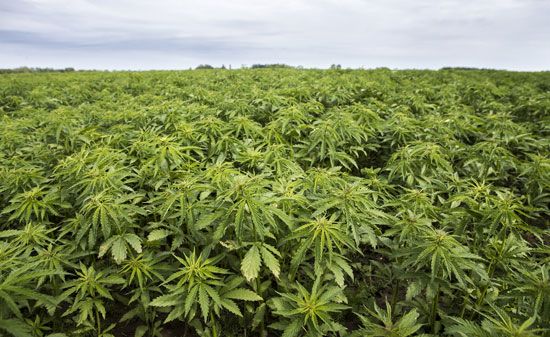
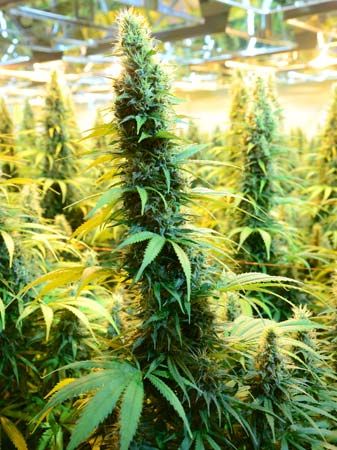
Cannabis is a genus of aromatic flowering plants native to Central Asia, cultivated globally for its fiber, oilseed, medicinal preparations, and psychoactive products. The plants are herbaceous and dioecious, meaning individual plants are either male or female.8
Taxonomic Debate
The classification of cannabis is a subject of ongoing scientific debate. Many botanists consider the genus to be monotypic, meaning it consists of a single species, Cannabis sativa. Under this view, the plant is considered highly polymorphic, with forms such as C. indica and C. ruderalis classified as subspecies or varieties rather than distinct species. Recent genomic studies have further corroborated the conclusion that C. indica is not a separate species from C. sativa.89
Conversely, some researchers recognize two or three distinct species—C. sativa, C. indica, and sometimes C. ruderalis—based on variations in plant stature, branching patterns, geographic origin, and cannabinoid profiles. While growers often use the terms “sativa” and “indica” to describe different effects or chemical ratios, these labels do not always correspond to the plant’s actual species of origin.8
How does the potency of cannabis vary between different strains and cultivation methods?
The potency of cannabis is primarily determined by the concentration of tetrahydrocannabinol (THC), the plant’s main psychoactive compound. This concentration varies significantly based on both the plant’s genetics and the environmental conditions under which it is cultivated.111
Factors Influencing Potency
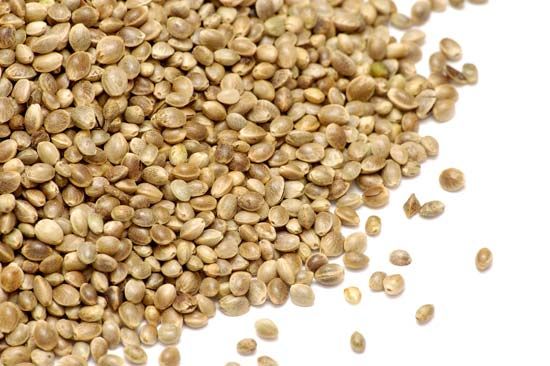
- Plant Anatomy: THC is present throughout the plant, but it is most highly concentrated in the resinous exudate found in the flowering tops of female plants. Other parts, such as leaves, stems, and seeds, contain significantly lower levels of THC.111
- Climate and Geography: The resin content differs based on the plant’s geographic origin and regional climate. A hot, dry, upland climate is generally considered most favorable for maximizing the plant’s potency.11
- Cultivation Techniques: Careful cultivation is essential for high resin production. Techniques such as preventing pollination and trimming top leaves to induce dwarfing are used to enhance resin content as the plant reaches maturity.11
- Genetic Profiles: Different strains exhibit varying cannabinoid profiles, including the ratio of THC to other compounds like cannabidiol (CBD), which can influence the overall effects and perceived strength of the product.112
Sources
- tetrahydrocannabinol — Encyclopædia Britannica
- drug use - Physiological and psychological effects of cannabis — Encyclopædia Britannica
- cannabidiol — Encyclopædia Britannica
- medical cannabis — Encyclopædia Britannica
- Medical marijuana - September 19, 2019 - U.S. government allocates $3 million for research on CBD and pain — Encyclopædia Britannica
- Medical marijuana - Sources — Encyclopædia Britannica
- Recreational marijuana - February 20, 2026 - Teen cannabis use tied to increased risk of psychiatric disorders — Encyclopædia Britannica
- cannabis — Encyclopædia Britannica
- Medical marijuana - July 16, 2021 - New study: Cannabis likely originated in northwest China — Encyclopædia Britannica
- Medical marijuana - 70 - Roman medical text cites cannabis to treat earaches and suppress sexual longing — Encyclopædia Britannica
- drug use - Cannabis — Encyclopædia Britannica
- cannabis: Top Questions — Encyclopædia Britannica
Published on · 4 min read