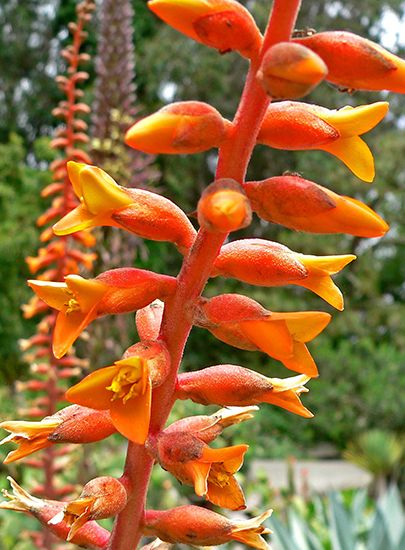
Cannabaceae
Cannabaceae, commonly known as the hemp family, is a plant family within the order Rosales that comprises approximately 10 genera and 170 species. These…
What is Cannabaceae?
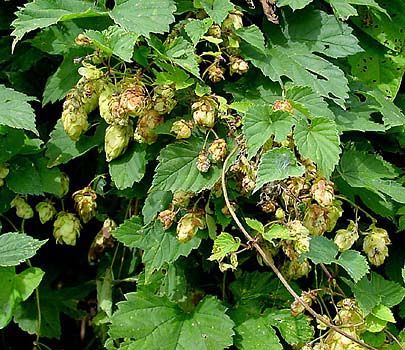
Cannabaceae, commonly known as the hemp family, is a plant family within the order Rosales that comprises approximately 10 genera and 170 species. These plants are distributed globally, with a significant presence in the temperate regions of the Northern Hemisphere. The family includes diverse growth forms, such as trees, lianas, and herbaceous plants.1
The family is economically and culturally significant, most notably for the genera Cannabis and Humulus1. Cannabis sativa is cultivated for its fibers (hemp) and for its psychoactive compound, tetrahydrocannabinol (THC). Humulus (hops) is widely utilized in the brewing industry to flavor beer and prevent spoilage. Additionally, the family includes Celtis (hackberries), which provides timber used for furniture, flooring, and musical instruments.12
Physically, members of the family are often dioecious, bearing petal-less flowers and producing dry, one-seeded fruits known as achenes or samaras.1
How are hops used in the brewing process?
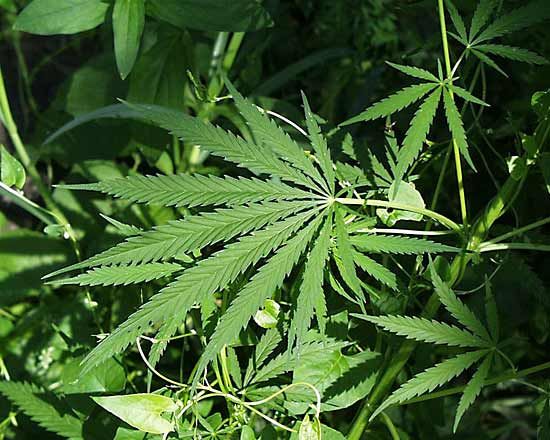
In the brewing process, hops—specifically the dried female flower cones of the common hop (Humulus lupulus)—are essential for providing flavor, aroma, and preservation.56
The Role of Hops in Brewing
Hops are added to the wort (an aqueous infusion of malt) during the boiling stage. Their contribution to the final product is driven by several key constituents:56
- Bitterness: The cones contain glands filled with chemicals called humulones. During boiling, the heat isomerizes the α\alpha-acids within these humulones into iso-α\alpha-acids, which provide beer with its characteristic bitter flavor.5
- Aroma: Essential oils extracted from the hops impart a delicate aroma to the beverage.6
- Preservation: The resins and other compounds found in hops help prevent spoilage, aiding in the stability of the beer.6
Application Methods
Brewers utilize hops in various forms to achieve these qualities:
- Whole Cones: Traditionally, dried hop cones are added directly to the boiling wort.5
- Processed Forms: Powdered, compressed hops are frequently used for more efficient extraction.5
- Extracts: Components may be extracted using solvents like carbon dioxide and added to the wort or, following isomerization, directly to the finished beer.5
What are the differences between hemp and marijuana?
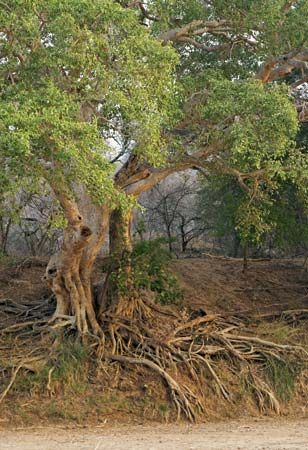
While hemp and marijuana are often classified as the same species, Cannabis sativa, they are distinguished by their chemical profiles, cultivation purposes, and legal status.78
Key Differences
- Purpose: Marijuana is cultivated specifically for its psychoactive and medicinal properties, whereas hemp is grown for industrial and commercial use, including fiber, seeds, food, beverages, and cannabidiol (CBD) products.78
- THC Content: The primary chemical distinction is the concentration of tetrahydrocannabinol (THC), the compound responsible for the “high” associated with marijuana. In the United States and Canada, hemp is legally defined as cannabis containing no more than 0.3 percent THC by dry weight. In contrast, marijuana varieties are bred for significantly higher THC levels, which can reach 25 percent or more.87
- Morphology: While they share a species, these varieties exhibit different physical characteristics and cannabinoid profiles resulting from selective breeding.7
It is important to recognize that these distinctions are largely driven by human cultivation goals and regulatory frameworks rather than fundamental biological differences.78
What are hackberry trees and how are they used?
Hackberry trees belong to the genus Celtis, which includes approximately 70 species within the hemp family (Cannabaceae). These trees are widely distributed across temperate and tropical regions and are primarily valued for their utility as timber or their aesthetic appeal in landscaping.910
Characteristics and Varieties
Hackberry trees are known for their elmlike leaves and distinct bark, which often features wartlike bumps. Notable species include:9
- Common Hackberry (C. occidentalis): A North American tree reaching heights of 12 to 30 meters (40 to 100 feet), recognized for its bright green leaves and edible, purplish-black fruit that attracts birds.9
- Sugarberry (C. laevigata): A shorter variety native to the moist soils of central North America.9
- European Nettle Tree (C. australis): A Mediterranean ornamental species characterized by lance-shaped, gray-green leaves and larger edible fruit.9
Uses
Beyond their ornamental value as street trees, hackberry trees are utilized for their wood, which is harvested as timber in some regions, particularly from certain West African species. Additionally, the small berries produced by many species in the genus are edible.910
Sources
- Cannabaceae — Encyclopædia Britannica
- canna — Encyclopædia Britannica
- Rosales - Cannabaceae — Encyclopædia Britannica
- medical cannabis — Encyclopædia Britannica
- Beer - Hops — Encyclopædia Britannica
- Hop — Encyclopædia Britannica
- cannabis: Top Questions — Encyclopædia Britannica
- What Is the Difference Between Hemp and Marijuana? — Encyclopædia Britannica
- hackberry — Encyclopædia Britannica
- hackberry — Merriam-Webster
Published on · 3 min read