Cape Horn
The opening of the Panama Canal in 1914 fundamentally transformed global maritime trade by providing a significantly shorter passage between the Atlantic and…
How has the opening of the Panama Canal affected shipping routes around Cape Horn?
The opening of the Panama Canal in 1914 fundamentally transformed global maritime trade by providing a significantly shorter passage between the Atlantic and Pacific oceans.123
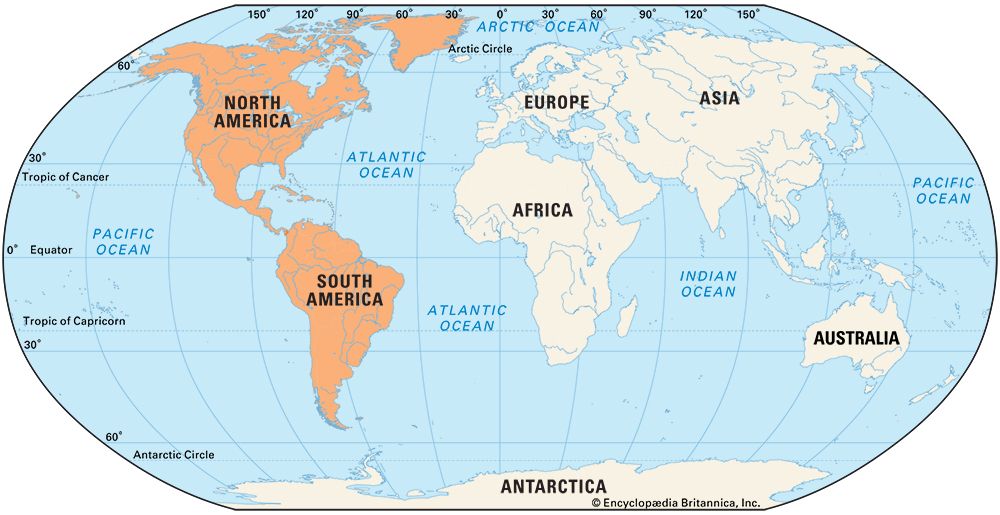
Prior to the canal’s completion, vessels traveling between the east and west coasts of the Americas were forced to navigate around Cape Horn at the southern tip of South America or through the Strait of Magellan. This alternative route was arduous, often taking about two months to complete and adding approximately 8,000 nautical miles to the journey. For example, a trip between New York City and San Francisco was reduced from roughly 13,000 miles to about 5,200 miles by utilizing the canal. By allowing ships to bypass the southern tip of the continent, the canal effectively eliminated the need for this lengthy and hazardous voyage for the vast majority of commercial traffic.142
How did the discovery of Cape Horn impact global trade routes in the 16th and 17th centuries?
The discovery of Cape Horn in the early 17th century provided a critical alternative to the hazardous and tortuous Strait of Magellan, which had been the primary, albeit difficult, passage between the Atlantic and Pacific oceans since its discovery by Ferdinand Magellan in 1520.567
While the Dutch navigator Willem Schouten is credited with rounding the cape in 1616, some historical accounts attribute its discovery to the English navigator Francis Drake in 1578. Regardless of the specific discovery timeline, the route around the southernmost tip of South America offered a more suitable path for trading vessels, facilitating safer and more efficient navigation compared to the narrow, fog-bound channels of the strait.89105
This discovery was instrumental during the 17th century as European powers, particularly the Dutch, expanded their maritime reach and challenged Iberian dominance in global trade. By opening this passage, explorers and merchants gained better access to the Pacific, supporting the growth of colonial outposts and the increased flow of resources between the Americas and the rest of the world.910
What is the cultural significance of Cape Horn to the indigenous people of Tierra del Fuego?
The provided search results do not contain information regarding the specific cultural significance of Cape Horn to the indigenous peoples of Tierra del Fuego, such as the Ona, Yahgan, and Alacaluf.
While the records confirm that these groups maintained undisputed occupation of the archipelago for 350 years following the arrival of Europeans in 1520, the available documentation focuses primarily on the region’s geography, colonial history, and economic development following the late 19th-century colonization efforts.
What is Cape Horn and where is it located?
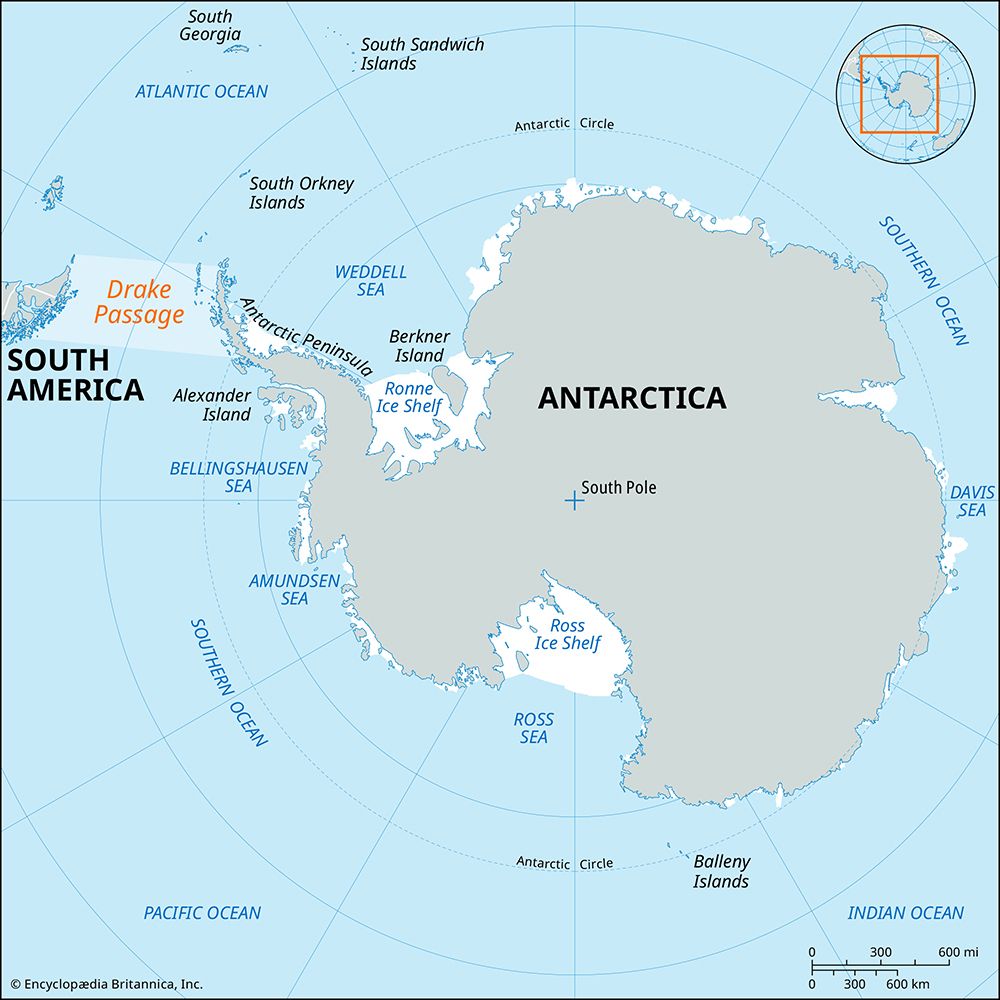
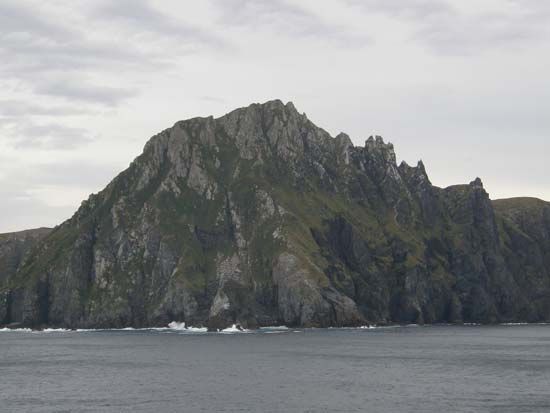
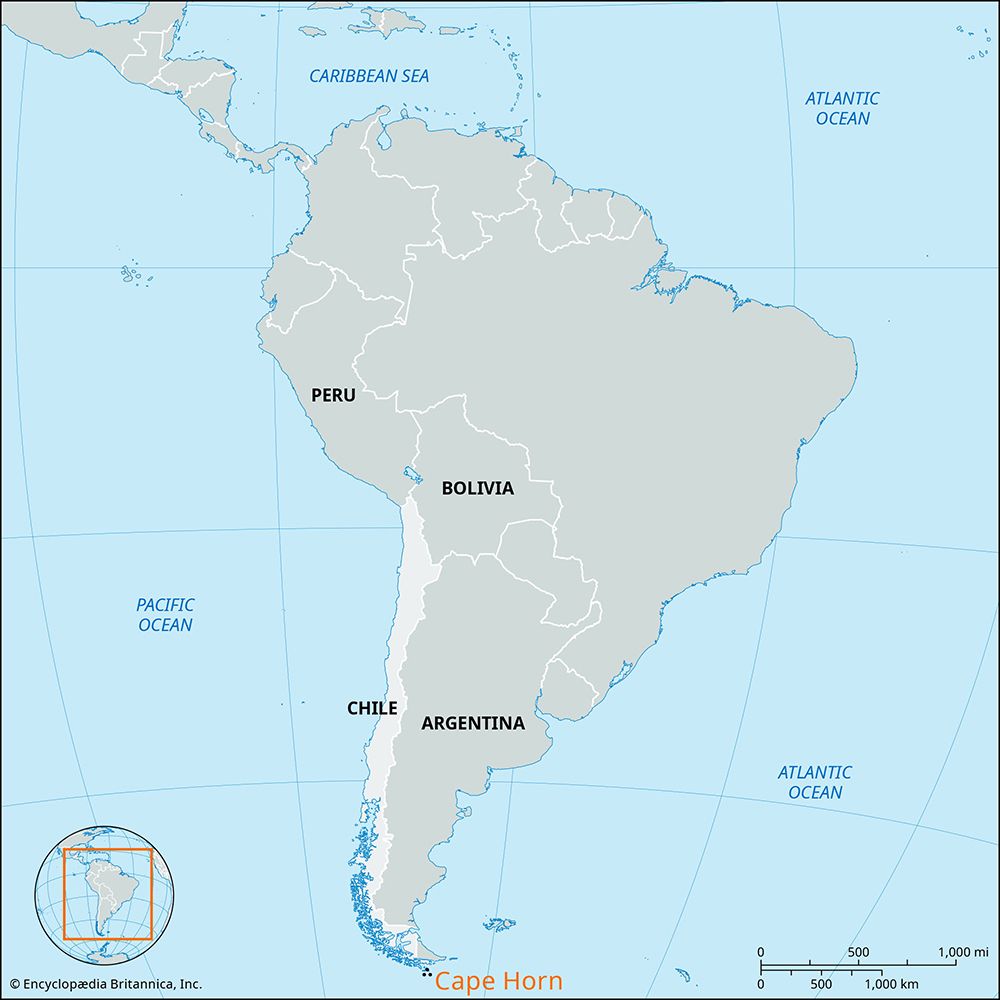
Cape Horn is a steep, rocky headland situated on Hornos Island within the Tierra del Fuego archipelago in southern Chile. It marks the southernmost tip of mainland South America and serves as a gateway between the Atlantic Ocean and the Pacific Ocean via the Drake Passage.814
The headland was named by the Dutch navigator Willem Schouten in 1616 after his birthplace, Hoorn, in the Netherlands his birthplace, Hoorn, in the Netherlands. While it provided a simpler alternative to the Strait of Magellan, the waters surrounding the cape remain notoriously hazardous, characterized by cold, windy conditions year-round. It is sometimes confused with the nearby False Cape Horn, located on Hoste Island.814
Sources
- Panama Canal: Top Questions — Encyclopædia Britannica
- Timeline and Map of the Panama Canal — Encyclopædia Britannica
- Panama - Panama Canal and coastal ports — Encyclopædia Britannica
- Panama Canal - Canal traffic — Encyclopædia Britannica
- Strait of Magellan — Encyclopædia Britannica
- European exploration - The sea route west to Cathay — Encyclopædia Britannica
- Ferdinand Magellan: Top Questions — Encyclopædia Britannica
- Cape Horn — Encyclopædia Britannica
- Western colonialism - The Dutch — Encyclopædia Britannica
- Atlantic Ocean - European voyages and settlement — Encyclopædia Britannica
- Tierra del Fuego — Encyclopædia Britannica
- Tierra del Fuego — Encyclopædia Britannica
- Argentina - Patagonia — Encyclopædia Britannica
- Willem Schouten — Encyclopædia Britannica
Published on · 3 min read