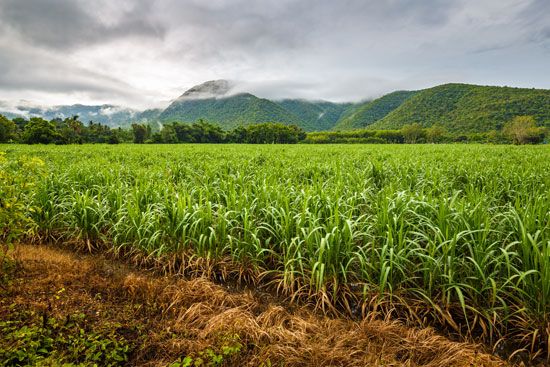
Capibaribe River
The Capibaribe River is a river located in northeastern Brazil. It originates in the Cariris Velhos mountain range and flows intermittently eastward for…
What is Capibaribe River?
The Capibaribe River is a river located in northeastern Brazil. It originates in the Cariris Velhos mountain range and flows intermittently eastward for approximately 150 miles (240 km) before emptying into the Atlantic Ocean at the city of Recife.1
In Recife, the river meets the Beberibe River, forming a confluence that defines the city’s geography. Because the city is crossed by these waterways and connected by numerous bridges, Recife is often referred to as the “Venice of Brazil”.2
Why is Recife called the Venice of Brazil?
Recife is called the “Venice of Brazil” because the city is crossed by numerous waterways and its various districts are linked by a network of bridges.2
Located at the confluence of the Capibaribe and Beberibe rivers, the city’s geography is defined by these aquatic channels, which necessitate the extensive bridge infrastructure that earned it the comparison to the famous Italian city.2
What is the significance of the Beberibe River?
The Beberibe River is a significant coastal waterway in the state of Pernambuco, Brazil. Its primary geographical importance lies in its confluence with the Capibaribe River at the city of Recife.24
This confluence is fundamental to the identity and development of Recife, which serves as a major Atlantic seaport. The presence of these rivers, which cross the city and necessitate an extensive network of bridges, is the reason Recife is famously known as the “Venice of Brazil.”2
How did the Dutch influence the history of Recife?
The Dutch influence on the history of Recife was transformative, marking a period of significant urban and economic development. Between 1630 and 1654, the Dutch occupied the region, during which time they captured the area from the Portuguese and established Recife as their administrative capital.524
Key aspects of the Dutch influence include:
- Urban Planning: Under the governorship of John Maurice of Nassau, the Dutch transformed what was previously a simple anchorage into a well-planned town. This development laid the foundation for the city’s modern layout.24
- Economic Prosperity: The region flourished under Dutch governance, driven by the successful production of sugarcane on plantations that utilized the area’s rich alluvial soil.4
- Shift in Power: By establishing their administrative center in Recife, the Dutch shifted the focus away from Olinda, which had been the primary seat of power for wealthy Portuguese colonists.24
Although Portuguese rule was restored in 1654, the Dutch occupation left a lasting legacy on the city’s infrastructure and its role as a central hub for the region.24
Sources
- Capibaribe River — Encyclopædia Britannica
- Recife — Encyclopædia Britannica
- Recife — Merriam-Webster
- Pernambuco — Encyclopædia Britannica
- history of Latin America - The sugar age — Encyclopædia Britannica
Published on · 2 min read