Capsicum Annuum
Capsicum annuum is a flowering plant belonging to the nightshade family (Solanaceae) and is the most economically significant species within the Capsicum…
What is Capsicum annuum?
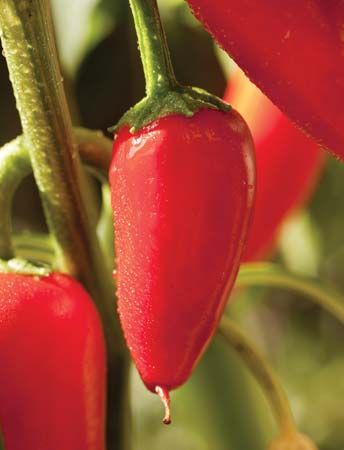
Capsicum annuum is a flowering plant belonging to the nightshade family (Solanaceae) and is the most economically significant species within the Capsicum genus. It is widely cultivated for its diverse varieties, which include bell peppers, cayenne, pimiento, and various chili peppers such as jalapeño and serrano.12
The plant originated in northern South America and was first domesticated by Indigenous peoples in present-day Mexico approximately 6,000–7,000 years ago. It typically grows as an herb or small shrub and produces fruits that are botanically classified as berries. These fruits are valued for their culinary versatility, nutritional content—including vitamin C and vitamin A—and the presence of capsaicinoids, which provide their characteristic pungency. Beyond food, the species is utilized for ornamental purposes and in pharmaceutical applications.12
What are some common names for Capsicum annuum?
Capsicum annuum is a highly diverse species that encompasses thousands of varieties and cultivars, which are commonly referred to by several names depending on their specific characteristics and culinary uses. Common names and forms include:
- Bell pepper: Known for its large, mild, and thick-walled fruits.31
- Chili pepper: A general term for the many pungent, hot varieties within the species.12
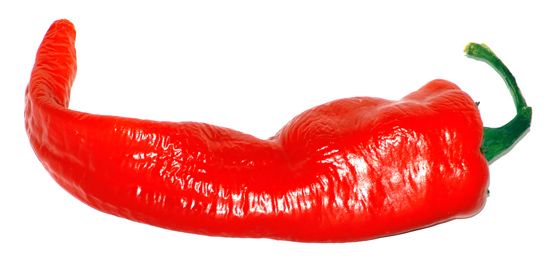
- Cayenne: A long, thin, and typically pungent pepper.12
- Pimiento: Often used in the production of paprika.1
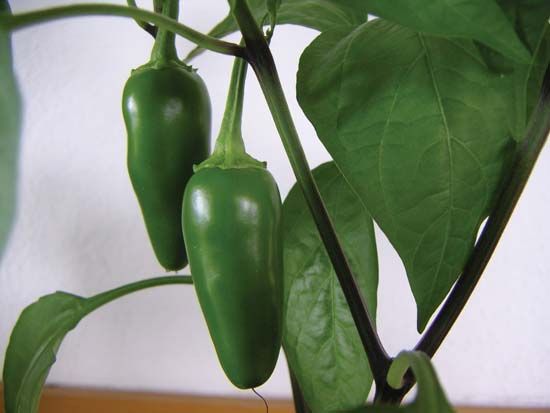
- Jalapeño and Serrano: Popular varieties of chili peppers.12
- Poblano: Another common culinary form of the species.1
Because these varieties cross-pollinate easily, they are typically classified by the physical traits of their fruits, such as size, shape, color, flavor, and level of pungency.1
Where is Capsicum annuum usually grown?
Capsicum annuum is widely cultivated in warm climates across the globe, having spread from its origins in the Americas to become an integral crop in Asia, Africa, and Europe following the voyages of Christopher Columbus.12
The plant thrives in full sun and requires rich, well-drained soil to grow effectively. Because the species is frost-tender, it is often started in greenhouses and transplanted outdoors only after the threat of frost has passed. While it can survive as a short-lived perennial in warm, frost-free climates, it is frequently grown as an annual in many regions. The plants typically bloom and produce fruit during the summer and early fall.1
What do the fruits of Capsicum annuum look and taste like?
The fruits of Capsicum annuum are botanically classified as berries and exhibit a remarkable diversity in appearance and flavor due to the species’ thousands of cultivars.31
Appearance
The fruits vary significantly in size, shape, and color. They can be large, round, and furrowed, as seen in bell peppers, or long and thin, like cayenne peppers. Depending on the specific variety and its stage of maturity, the skin may be green, red, yellow, orange, or even black.143
Taste and Pungency
The flavor profile ranges from mild to intensely hot. This pungency is determined by the presence of capsaicinoids, specifically capsaicin, which creates a burning sensation and acrid vapors. While mild varieties like bell peppers are sweet and crisp, hot varieties—such as jalapeños or serranos—contain higher concentrations of capsaicin, primarily located in the internal partitions of the fruit.14
Sources
- Capsicum annuum — Encyclopædia Britannica
- chili pepper — Encyclopædia Britannica
- bell pepper — Encyclopædia Britannica
- Pepper — Encyclopædia Britannica
Published on · 3 min read