Caraway
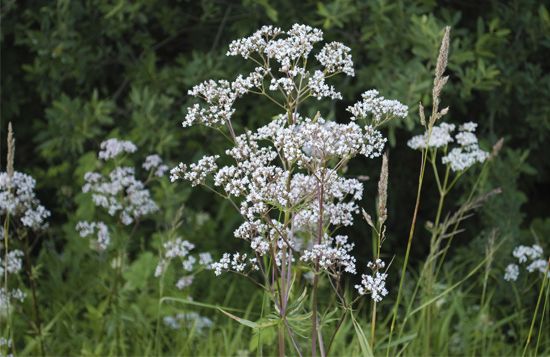
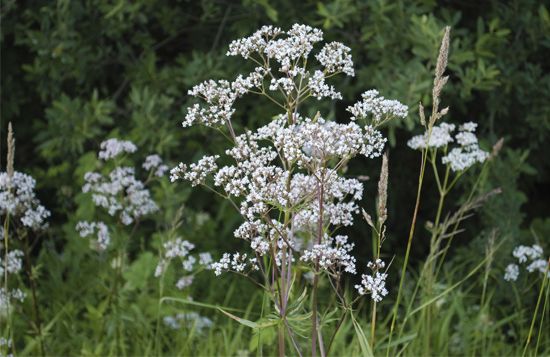
Caraway (Carum carvi), a member of the parsley family, is a biennial herb whose dried fruit—commonly referred to as a seed—is widely used as a culinary…
What are the culinary uses of caraway seeds?
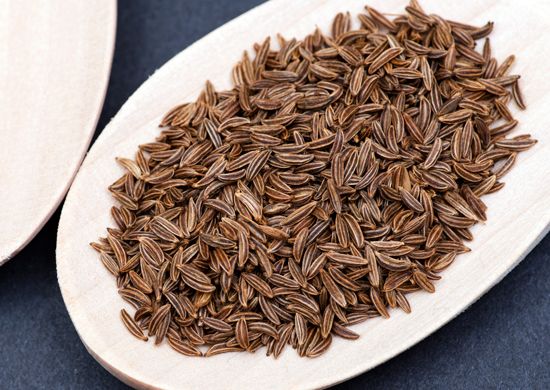
Caraway (Carum carvi), a member of the parsley family, is a biennial herb whose dried fruit—commonly referred to as a seed—is widely used as a culinary seasoning. Known for its warm, slightly sharp taste and an aroma reminiscent of anise, it serves as a versatile ingredient in various dishes.1
Culinary applications include:
- Meat and Dairy: It is frequently used to season meat dishes and cheese.1
- Vegetables: It is a traditional addition to vegetable preparations, particularly sauerkraut and coleslaw.1
- Baked Goods: The seeds are commonly incorporated into breads.1
- Beverages: The plant’s essential oil is used to flavor alcoholic beverages, most notably aquavit and kümmel.1
What are the traditional medicinal uses of caraway?
The caraway plant (Carum carvi), a member of the parsley family, has been utilized for its medicinal properties since ancient times.
In traditional medicine, the plant’s essential oil—which contains components such as d-carvone and d-limonene—is primarily employed for two specific purposes:1
- Aromatic Stimulant: It is used to stimulate bodily functions or provide a refreshing, invigorating effect.1
- Carminative: It is used to relieve flatulence and soothe the digestive tract.1
While these traditional uses are well-documented, it is important to note that the term “caraway” refers to the dried fruit of the plant, which is also widely recognized for its culinary applications as a seasoning in various global cuisines.12
How does caraway oil differ from caraway seeds in terms of use and benefits?
While both caraway seeds and caraway oil are derived from the same plant, Carum carvi, they serve distinct roles in culinary and medicinal contexts.
Caraway Seeds
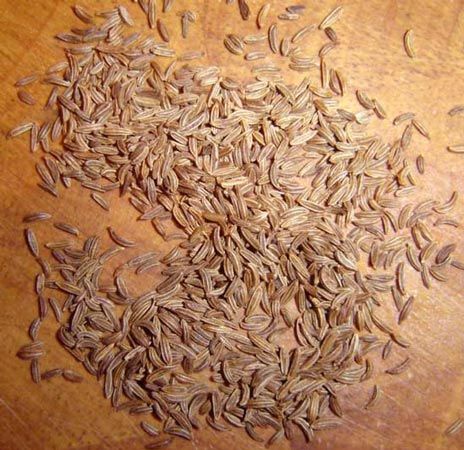
Commonly referred to as the fruit of the plant, the seeds are primarily used as a culinary seasoning. They are valued for their warm, sharp flavor and distinctive aroma, which is often compared to anise. They are a staple ingredient in:
- Cooking: Used to season meat dishes, cheese, and vegetable dishes like sauerkraut and coleslaw.1
- Baking: Frequently incorporated into various types of bread.1
Caraway Oil
The essential oil is extracted from the plant and contains approximately 5 percent of the plant’s active components, primarily d-carvone and d-limonene. Its uses are more specialized:1
- Beverages: It is used to flavor specific alcoholic drinks, most notably aquavit and kümmel.1
- Medicine: It is utilized as an aromatic stimulant and a carminative, which helps relieve flatulence and soothe the digestive tract.1
What parts of the caraway plant are used besides the seeds?
The provided information indicates that the primary part of the caraway plant (Carum carvi) utilized for culinary and medicinal purposes is its dry fruit, which is commonly referred to as a seed.12
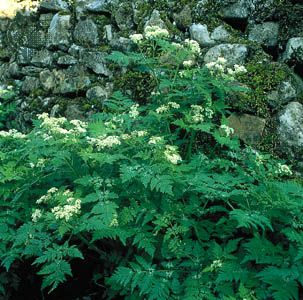
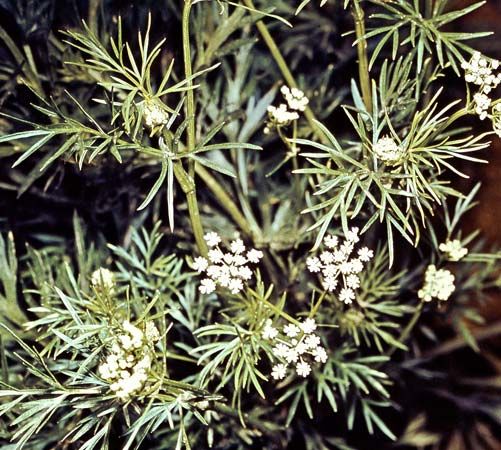
While the plant is described as a biennial herb featuring finely cut leaves and compound umbels of small white flowers, the available records do not specify traditional uses for these vegetative parts, such as the leaves or roots, in the same manner as the fruit or the essential oil extracted from the plant.12
Sources
- caraway — Encyclopædia Britannica
- carraway — Merriam-Webster
- caraway — Merriam-Webster
Published on · 2 min read