Cicely
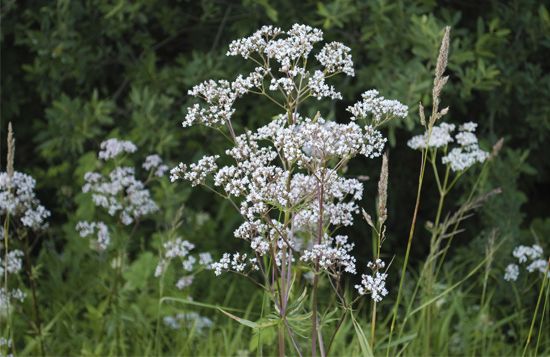
The term "cicely" generally refers to two distinct types of plants within the Apiaceae (carrot) family, often leading to confusion between European and…
What is cicely?
The term “cicely” generally refers to two distinct types of plants within the Apiaceae (carrot) family, often leading to confusion between European and American species.
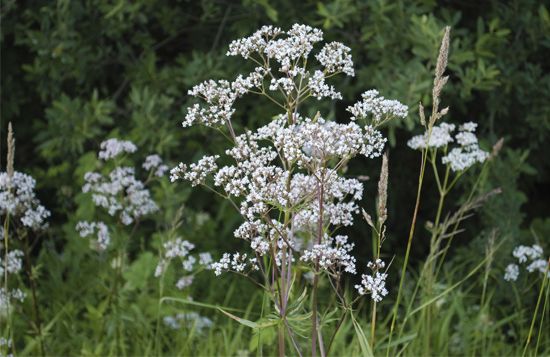
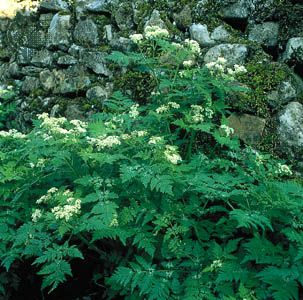
- Cicely (Myrrhis odorata): Also known as sweet cicely, this is a perennial herb native to central and southern Europe. It features hollow, leafy stems reaching up to 90 cm, divided leaves, and clusters of small white flowers. Historically, it was valued for its aromatic and stimulant properties and was used as a potherb.12
- Sweet Cicely (Osmorhiza): This refers to a genus of herbs native to North America and eastern Asia. Unlike the European Myrrhis, these plants typically grow in moist woodlands and are characterized by thick, fleshy roots.3
While both share the common name “sweet cicely,” they belong to different genera and occupy different geographic regions.13
What are other common herbs in the Apiaceae family?
The Apiaceae family, also known as the carrot or parsley family, includes many aromatic plants widely used as herbs and spices. Beyond sweet cicely, several other common culinary herbs belong to this diverse group:
- Angelica: Often used for its aromatic properties.45
- Anise: Valued for its distinct, licorice-like flavor4.6
- Asafoetida: A pungent spice derived from the resin of Ferula species.57
- Caraway: Commonly used in baking and flavoring.46
- Chervil: A delicate herb frequently used in French cuisine.57
- Coriander/Cilantro: Both the leaves and seeds are essential in many global cuisines.46
- Cumin: A staple spice known for its warm, earthy aroma.46
- Dill: Widely used for both its leaves and seeds.46
- Fennel: Utilized for its bulb, leaves, and aromatic seeds.45
- Lovage: Known for its strong, celery-like flavorage](https://www.britannica.com/plant/lovage):** Known for its strong, celery-like flavor.45
- Parsley: One of the most common culinary herbs worldwide.46
It is important to note that while many members are edible, the family also contains highly poisonous species, such as poison hemlock and water hemlock, which should never be consumed.46
How do you distinguish sweet cicely from poisonous look-alikes?
Distinguishing sweet cicely (Myrrhis odorata) from its poisonous relatives in the Apiaceae family is critical, as the family includes highly toxic species such as poison hemlock and water hemlock. Because many members of this family share similar physical traits—such as feathery, divided leaves and flat-topped flower clusters known as umbels—it is essential to exercise extreme caution when identifying them in the wild.15
There is no simple, universal rule for distinguishing these plants, and misidentification can have fatal consequences. The Apiaceae family contains both edible plants and those containing lethal alkaloids.5
Safety Principles:
- Never consume wild plants unless you are 100% certain of their identification through expert botanical knowledge.
- Avoid reliance on general descriptions alone, as subtle differences in stem texture, leaf shape, root structure, and habitat are often required to differentiate species accurately.
- Recognize the danger: Poisonous members like poison hemlock and water hemlock are dangerous even to touch or ingest in small amounts.5
We could dive deeper into the specific botanical features of these plants or discuss the importance of professional foraging guidance.
What are some traditional culinary uses for sweet cicely?
Sweet cicely (Myrrhis odorata), a perennial herb belonging to the Apiaceae family, has a long history of culinary application. Historically, the plant was valued for its aromatic and stimulant properties and was commonly utilized as a potherb in traditional cooking.1
It is important to clarify that sweet cicely (Myrrhis odorata) is distinct from the genus Osmorhiza, which also carries the common name “sweet cicely” and consists of herbs native to North America and eastern Asia. Furthermore, while the name “cicely” shares a linguistic root with “myrrh,” the herb should not be confused with the resinous myrrh obtained from Commiphora trees, which is used in incense, perfumes, and traditional medicine rather than as a culinary potherb.2910
Because of the potential for misidentification with toxic members of the Apiaceae family, one should never consume wild plants without expert botanical verification.1
Sources
- cicely — Encyclopædia Britannica
- sweet cicely — Merriam-Webster
- Myrrhis — Merriam-Webster
- Apiaceae — Encyclopædia Britannica
- Apiales — Encyclopædia Britannica
- list of economically important members of the family Apiaceae — Encyclopædia Britannica
- list of plants in the family Apiaceae — Encyclopædia Britannica
- Apocynaceae — Encyclopædia Britannica
- myrrh — Encyclopædia Britannica
- cicely — Merriam-Webster
Published on · 3 min read