Celeriac
Celeriac (Apium graveolens variety rapaceum), also known as celery root, is a type of celery cultivated specifically for its large, knobby, edible hypocotyl…
What is celeriac?
Celeriac (Apium graveolens variety rapaceum), also known as celery root, is a type of celery cultivated specifically for its large, knobby, edible hypocotyl (stem) rather than its stalks.12
Originally native to the Mediterranean and northern Europe, this vegetable was introduced to Britain in the 18th century. It is typically harvested when the root reaches approximately 12 cm (4.7 inches) in diameter, though it can be picked earlier for a more intense flavor.1
Celeriac is a versatile ingredient in savory cooking; it can be roasted, blanched, or mashed, and it is frequently used in dishes like casseroles. Additionally, its leaves are often utilized as a garnish. It is one of three primary cultivated varieties of the Apium graveolens species, alongside stalk celery and leaf celery.12
How does celeriac differ from common stalk celery?
While both celeriac and common stalk celery belong to the same species, Apium graveolens, they are distinct cultivated varieties bred for different edible parts.
Key Differences
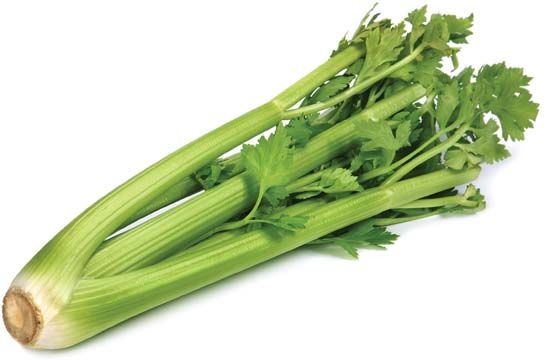
- Edible Portion: Stalk celery (Apium graveolens variety dulce) is grown specifically for its thick, fleshy leaf stalks (petioles), which are commonly eaten raw or used as an aromatic base in cooking. In contrast, celeriac (Apium graveolens variety rapaceum) is cultivated for its large, knobby, bulbous hypocotyl (root-like stem).413
- Culinary Use: Stalk celery is frequently consumed raw as a snack or used in salads, soups, and stews. Celeriac is typically prepared as a cooked vegetable; it can be roasted, blanched, or mashed and is often incorporated into savory dishes like casseroles.13
- Classification: These are two of the three primary cultivated varieties of the species, with the third being leaf celery (Apium graveolens variety secalinum), which is grown for its flavorful leaves and seeds.41
What are some popular ways to cook celeriac?
Celeriac is a versatile vegetable that is primarily prepared through cooking methods that highlight its savory flavor. Because of its dense, knobby texture, it is rarely eaten raw and is instead commonly used in the following ways:
- Roasting: Roasting celeriac helps to soften its firm texture and can enhance its natural, earthy sweetness.
- Mashing: Similar to potatoes, celeriac is frequently boiled and pureed or mashed, often serving as a flavorful side dish.
- Soups and Stews: It is a popular addition to various soups and stews, where it is often cut into chunks to provide body and depth of flavor to the broth.
- Blanching: This method is used to prepare the vegetable for further culinary applications or to soften it before incorporating it into other recipes.
- Casseroles: Celeriac is a common ingredient in savory casseroles, where it complements other vegetables and proteins.
Additionally, the leaves of the plant are often utilized as a garnish to finish dishes.13
What other vegetables belong to the Apiaceae family?
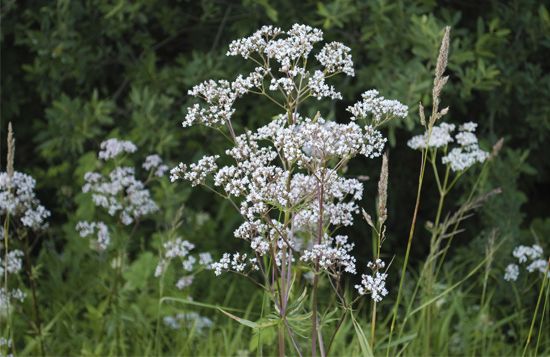
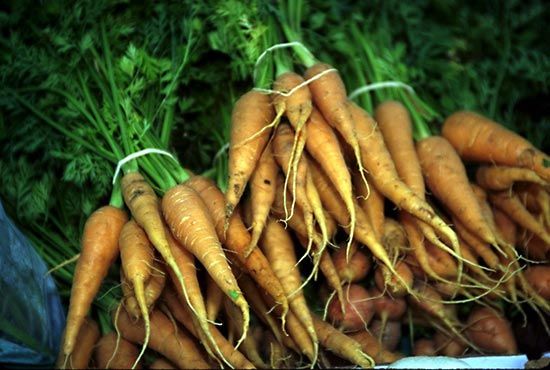
The Apiaceae family, also known as the parsley or carrot family, includes a wide variety of plants that are economically important as vegetables, herbs, and spices. Beyond celery and celeriac, several other vegetables and aromatic plants belong to this group:
- Root Vegetables: Carrot and parsnip are among the most well-known root vegetables in the family.
- Herbs and Spices: Many common culinary herbs are members of this family, including parsley, dill, coriander/cilantro, cumin, fennel, anise, caraway, chervil, and lovage.
- Other Notable Plants: The family also includes angelica, asafoetida, minari, and smallage.67
It is important to note that while many members are edible, the family also contains highly poisonous species, such as poison hemlock and water hemlock, which are dangerous to consume.67
Sources
- celeriac — Encyclopædia Britannica
- celery root — Merriam-Webster
- celery — Encyclopædia Britannica
- celery: Top Questions — Encyclopædia Britannica
- 8 Delicious Words for Uncommon Fruits and Vegetables | Celeriac — Merriam-Webster
- list of plants in the family Apiaceae — Encyclopædia Britannica
- Apiaceae — Encyclopædia Britannica
Published on · 3 min read