Dniester River
The Dniester River serves several important economic functions for Ukraine and Moldova, primarily through navigation, timber transport, and energy production.
What are the primary economic uses of the Dniester River, such as transportation or hydroelectric power?
The Dniester River serves several important economic functions for Ukraine and Moldova, primarily through navigation, timber transport, and energy production.
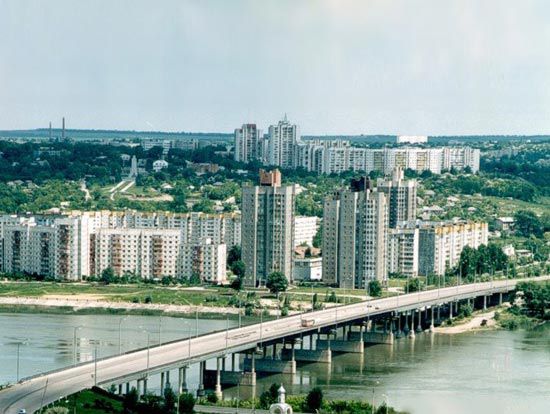
Transportation and Shipping The river is navigable for approximately 750 miles (1,200 km) from its mouth. Shipping lines operate between Soroca and Dubăsari, and from Dubăsari to the Black Sea, though navigation on the lower reaches can be challenging due to shallow water and sandbars. Additionally, the river is used extensively for rafting logs downstream, which are collected at the mouths of its Carpathian tributaries.1
Hydroelectric Power The Dniester is a vital source of energy. Hydroelectric stations are located at Dubăsari and Camenca (Kamenka). These facilities contribute to the regional power supply, with the republic providing electricity to southern Ukraine and Bulgaria via transmission lines.2
Fishing and Agriculture While commercial fishing is generally of minor importance, there are fish hatcheries in the lower reaches and the Dubăsari Reservoir that support populations of sturgeon, whitefish, pike perch, and carp. Furthermore, the river basin is characterized by extensive cultivation, benefiting from the region’s fertile soil.12
How has the Dniester River influenced the historical development of the regions it passes through?
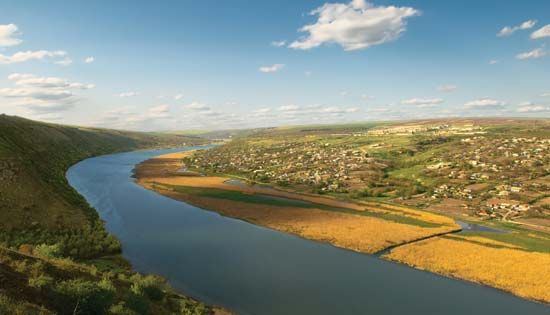
The Dniester River has played a significant role in the historical development of the region by serving as a primary geographic marker and a strategic corridor. Historically, the land between the Dniester and the Prut River—known as Bessarabia—has been a focal point of geopolitical activity due to its location on a principal land route into Europe.1
Throughout history, the region surrounding the river was shaped by successive migrations and conquests. In the 1st millennium BCE, the area was part of Scythia before coming under the influence of the Roman Empire as part of Dacia. The river basin served as a gateway for various groups, leading to a complex history of shifting control, including periods under Kievan Rus between the 10th and 12th centuries and later vassalage to the Tatars.1
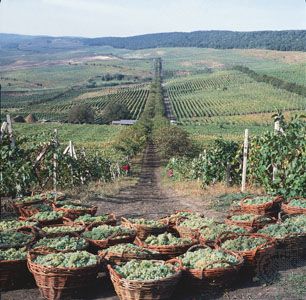
While the river basin is densely populated today, its historical development was characterized by the establishment of urban centers on tributaries rather than directly along the river itself, partly due to the challenges posed by frequent flooding.4
What is the geographical location and length of the Dniester River?
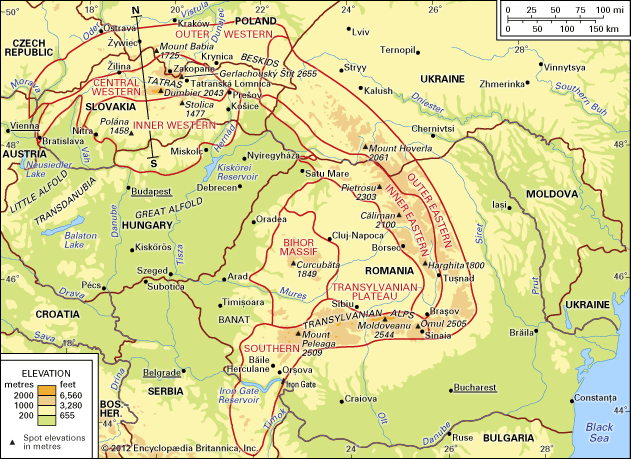
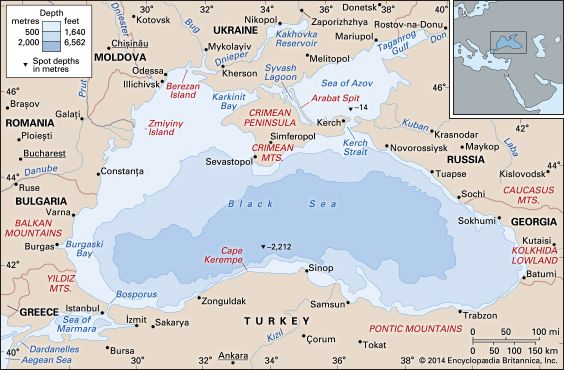
The Dniester River is a major waterway in southwestern Ukraine and Moldova. It rises on the northern slopes of the Carpathian Mountains and flows in a southeasterly direction before emptying into the Black Sea near Odesa.14
Regarding its length, sources provide slightly different measurements: Britannica records the river as 840 miles (1,352 km) long, while other geographic references cite a length of 877 miles (1,411 km). It serves as the second-longest river in Ukraine and functions as the primary water artery for Moldova.14
Which countries does the Dniester River flow through, and what are its major tributaries?
The Dniester River flows through two countries: Ukraine and Moldova.1
The river has numerous tributaries, though only 15 of them exceed 60 miles (95 km) in length. The major tributaries include:1
- Stryy
- Zolota Lypa
- Strypa
- Seret
- Zbruch
- Smotrych
- Ushytsya
- Murafa
- Râut
- Bâc
- Botna
Sources
- Dniester River — Encyclopædia Britannica
- Moldova - Resources and power — Encyclopædia Britannica
- Danube River - The economy — Encyclopædia Britannica
- Dniester — Merriam-Webster
- Moldova - History of Moldova — Encyclopædia Britannica
Published on · 3 min read