Catskill Mountains
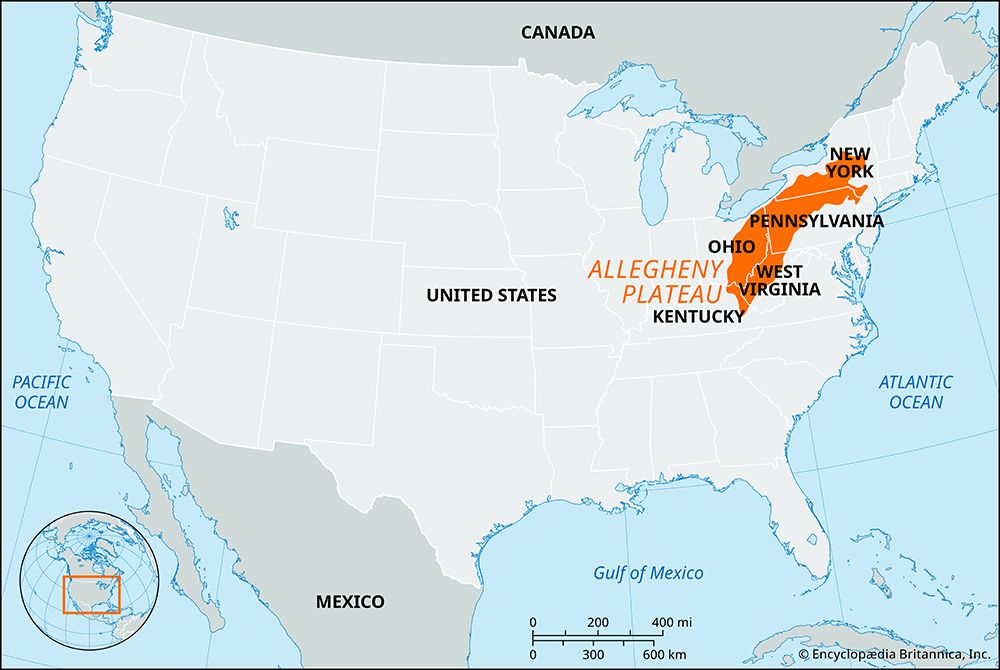
The Catskill Mountains are a dissected segment of the Allegheny Plateau and form part of the larger Appalachian Mountain system.
How do the Catskill Mountains compare in size and elevation to other mountain ranges in the eastern United States?
The Catskill Mountains are a dissected segment of the Allegheny Plateau and form part of the larger Appalachian Mountain system.
While they are a prominent feature of the region, they are characterized by their distinct geological formation rather than extreme height compared to the broader Appalachian range. Many peaks in the Catskills rise abruptly more than 3,000 feet (900 metres) above their valley floors, with the highest point, Slide Mountain, reaching an elevation of 4,204 feet (1,281 metres). Their notable elevation relative to the surrounding landscape is primarily attributed to the durability of their top layers of sandstone and conglomerate, which have resisted erosion more effectively than the adjacent terrain.
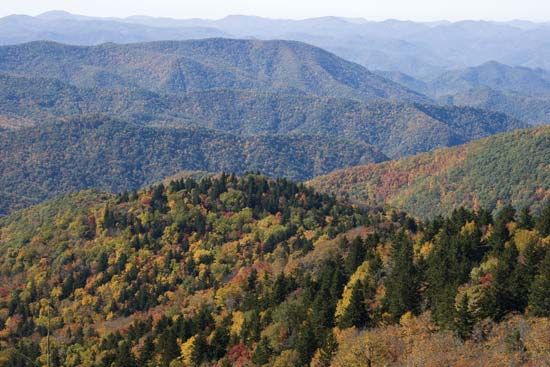
Because the Catskills are a plateau segment rather than a traditional mountain range, they offer a unique, rugged topography of steep-sided valleys and rounded uplands that contrasts with other sections of the Appalachian system.
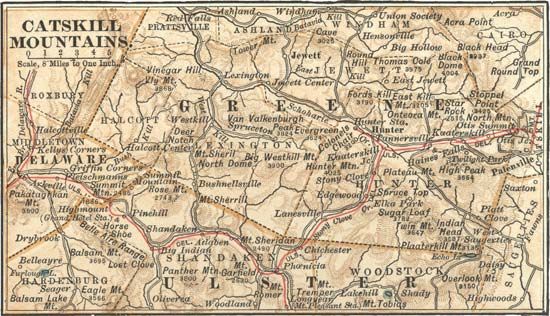
What is the geological history and formation of the Catskill Mountains?
The Catskill Mountains are not a traditional mountain range formed by folding; rather, they are a highly dissected segment of the Allegheny Plateau, which is part of the larger Appalachian Mountain system.1
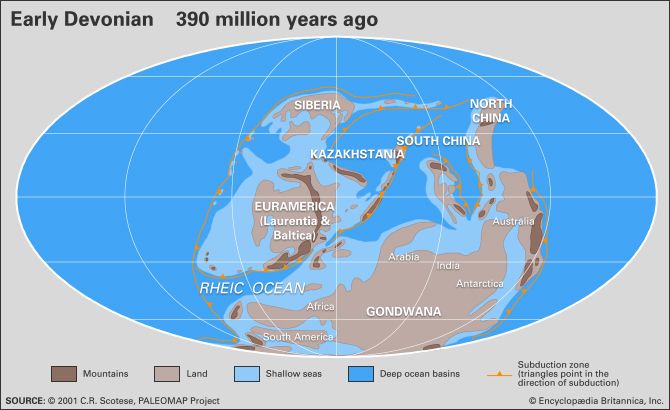
Their geological history is rooted in the Devonian Period (approximately 416 to 359 million years ago). During this time, the Acadian orogeny—a major mountain-building event caused by the collision of the Avalonia Terrane with the North American Plate—resulted in significant uplift in the interior regions. This activity produced vast amounts of sediment that washed westward, forming the Catskill Delta, a massive clastic wedge of sedimentary rock.2
Unlike regions where plate-tectonic pressure folded rocks into ridges, the rocks of the Appalachian Plateau remained essentially flat-lying. The current rugged topography of the Catskills was created by the subsequent erosion and dissection of this plateau by rivers. Their prominent elevation is primarily due to the durability of the top layers of sandstone and conglomerate, which have resisted erosion more effectively than the surrounding terrain.31
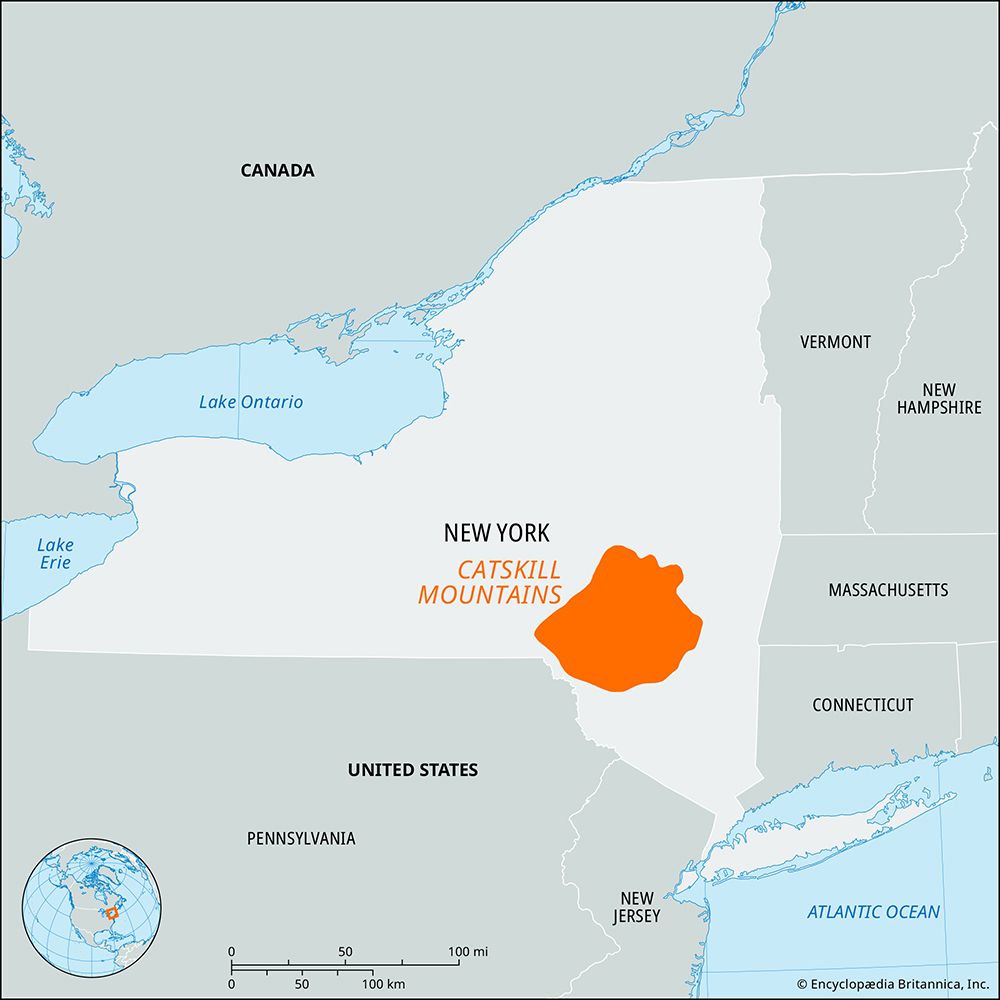
How has tourism and outdoor recreation developed in the Catskill region over time?
Tourism and outdoor recreation in the Catskill Mountains have evolved significantly over time, transitioning from a literary-inspired destination to a major hub for hospitality and nature-based activities.
The region’s cultural profile was established early on through Washington Irving’s famous story of Rip Van Winkle, which helped romanticize the area’s natural beauty. By the late 19th and early 20th centuries, the region became a vital refuge for Jewish immigrants. Following exclusionary anti-Jewish policies at other New York resorts, Jewish families established kosher boardinghouses in the Catskills. These facilities also served as health retreats for those suffering from tuberculosis, as doctors frequently prescribed the mountain air for recovery.15
During the interwar period, these boardinghouses expanded into the “Borscht Belt,” a thriving resort industry that competed with luxury hotels by offering amenities like golf courses and entertainment. Today, the focus has shifted toward the Catskill Park, which provides extensive opportunities for outdoor recreation within its vast forest preserve, serving as a natural wilderness accessible to New York City.1
What are some notable features and attractions in the Catskill Mountains?
The Catskill Mountains are renowned for their rugged natural beauty and historical significance. Notable features and attractions include:
Natural Landmarks and Scenery
- Peaks and Terrain: The region is characterized by steep-sided valleys and massive rounded uplands. Many peaks exceed 3,000 feet, with Slide Mountain standing as the highest at 4,204 feet. The landscape is further defined by “cloves,” which are spectacular, deeply scored rocky glens.1
- Catskill Park: This 1,100-square-mile area serves as a major hub for outdoor recreation, encompassing the state-owned Catskill Forest Preserve. It offers a vast wilderness experience within close proximity to New York City.1
- Reservoirs: Several artificial lakes, including the Ashokan, Pepacton, Neversink, Rondout, and Schoharie reservoirs, are vital to the water supply of metropolitan New York.1
Cultural and Historical Attractions
- Literary History: The region gained fame through Washington Irving’s legendary tale of Rip Van Winkle, set near the town of Catskill.1
- The Borscht Belt: Historically, the area became a prominent vacation destination for Jewish families. The region evolved from simple boardinghouses into a resort hub featuring golf courses, entertainment, and luxury amenities.5
Sources
- Catskill Mountains — Encyclopædia Britannica
- Pennsylvania - Relief — Encyclopædia Britannica
- Acadian orogeny — Encyclopædia Britannica
- Catskill Mountains — Merriam-Webster
- Borscht Belt - Origins — Encyclopædia Britannica
Published on · 3 min read