Cattail
Cattails (genus Typha) are tall, upright perennial marsh plants characterized by their creeping rhizomes and long, flat, sword-shaped leaves.

What are the defining characteristics of cattails and where are they commonly found?
Cattails (genus Typha) are tall, upright perennial marsh plants characterized by their creeping rhizomes and long, flat, sword-shaped leaves.12
Key physical features include:
- Flowers: They produce tiny, unisexual flowers arranged on dense, cylindrical spikes. The male (staminate) flowers are positioned above the female flowers.13
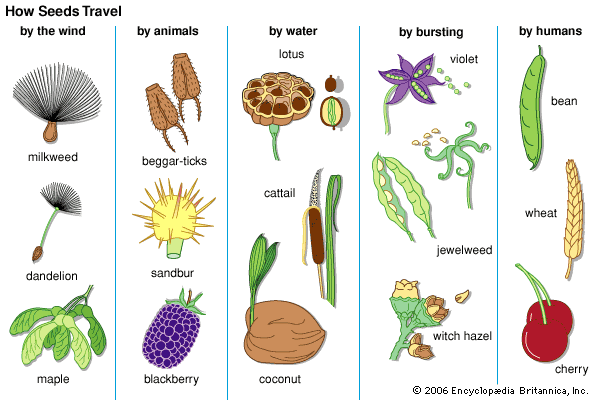
- Fruiting Spikes: Once the male flowers wither, they leave behind the iconic brown, furry spikes. Upon maturity, these spikes disintegrate to release cottony, wind-dispersed seeds.1
These plants are found primarily in temperate and cold regions across both the Northern and Southern hemispheres. They are considered aquatic or semi-aquatic, typically inhabiting fresh to slightly brackish waters, such as marshes and wetlands. Beyond their ecological importance to wildlife, they are often used for ornamental purposes and in the production of items like mats and chair seats.13

How have cattails been used traditionally by humans for food, medicine, or crafts?
Cattails have served various practical purposes for humans throughout history, primarily utilizing the plant’s structural and nutritional components.
- Crafts: The long, flat leaves of the common cattail (Typha latifolia) are highly valued for their durability and flexibility. They are traditionally used to weave mats and construct chair seats. Additionally, the plants are frequently cultivated for use in dried-flower arrangements.1
- Food: The starchy rhizomes—the underground stems from which the plants emerge—are consumed as a food source in various regions.1
While cattails are a significant resource, the provided information does not detail specific traditional medicinal applications.
What are the different species of cattails and how do they vary?
The genus Typha comprises approximately 30 species of tall, reedy marsh plants. While they share a common structural foundation—emerging from creeping rhizomes with long, flat, linear leaves—they vary in specific characteristics and usage.14
Two of the most notable species often cultivated for ornamental purposes and dried-flower arrangements include:
- Common Cattail (Typha latifolia): This is the most widely recognized species, known for its long, flat leaves that are frequently harvested for weaving mats, baskets, and chair seats.14
- Narrow-leaf Cattail (Typha angustifolia): As the name suggests, this species is distinguished by its smaller, narrower leaves compared to the common cattail.4
Botanically, all Typha species are defined by their unique inflorescence: an elongate flowering spike divided into a slender, yellow upper portion (bearing male flowers) and a stout, brown lower portion (bearing female flowers). After the male flowers release their pollen and wither, the lower portion remains as the characteristic brown, furry fruiting spike.41
What are some modern uses of cattails in environmental management or sustainable products?
While the provided information highlights the traditional uses of cattails, such as for weaving mats and chair seats, it does not contain specific details regarding their modern applications in environmental management or the development of sustainable products.
Sources
- Cattail — Encyclopædia Britannica
- Typha — Merriam-Webster
- Typhaceae — Merriam-Webster
- Poales — Encyclopædia Britannica
- cattail — Merriam-Webster
Published on · 2 min read