Celandine
The term "celandine" refers to several distinct flowering plants, so their classification depends on the specific variety.
What is the scientific classification of celandine and which plant family does it belong to?
The term “celandine” refers to several distinct flowering plants, so their classification depends on the specific variety.1
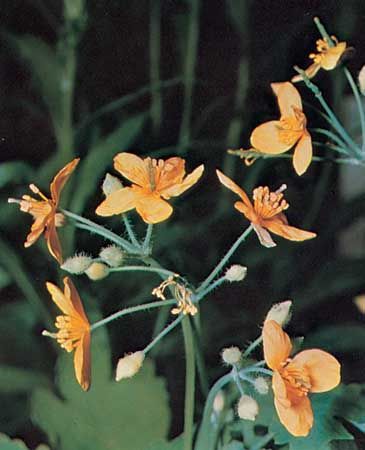
- Greater Celandine (Chelidonium majus) and Celandine Poppies (genus Stylophorum) belong to the poppy family, Papaveraceae.12
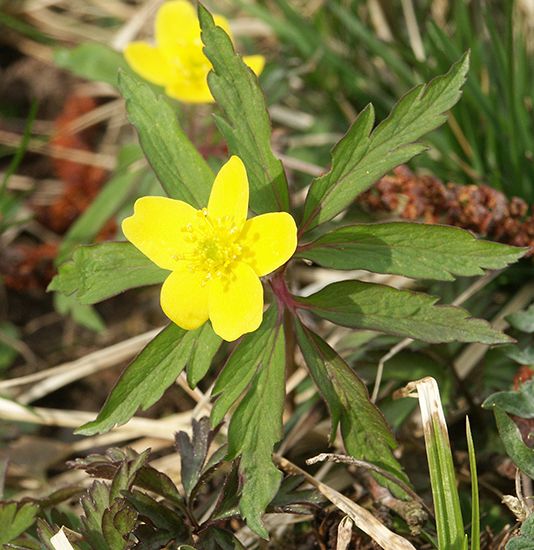
- Lesser Celandine (Ranunculus ficaria), also known as pilewort, is classified within the buttercup family, Ranunculaceae.1
While these plants share a similar appearance and common name, they are taxonomically distinct and belong to different botanical families.1
Where is celandine typically found growing, and what are its preferred habitats?
The term “celandine” encompasses several distinct plants, each with specific habitat preferences:
- Greater Celandine (Chelidonium majus): This plant is native to the deciduous woods of Europe and Asia.1
- Celandine Poppies (genus Stylophorum): These species are native to North America and China. When cultivated as garden flowers, they thrive in rich, moist soil and partial shade.1
- Lesser Celandine (Ranunculus ficaria): Native to Europe, this species has become naturalized in North America. While the provided information does not specify its exact wild habitat, members of the buttercup family (Ranunculaceae) are known to grow in a wide variety of environments, including wet places.145
Because these plants belong to different botanical families and have diverse geographic origins, their preferred growing conditions can vary significantly depending on the specific species.1
Are there any potential risks or side effects associated with using celandine?
The greater celandine (Chelidonium majus) contains orange-colored sap that includes alkaloids that are considered potentially poisonous.1 Historically, this plant was used by herbalists to treat warts, earning it the name “wartweed,” but its chemical composition necessitates caution.1
Because these substances can be toxic, it is essential to prioritize safety and avoid the ingestion or improper use of plants containing such compounds. If you are considering the use of any plant for medicinal purposes, it is vital to consult with a qualified healthcare professional to ensure your safety and well-being.
What are the main characteristics and physical appearance of the celandine plant?
The term “celandine” refers to several distinct flowering plants that share similar appearances but belong to different families. Their characteristics are summarized below:
Greater Celandine (Chelidonium majus)
- Family: Papaveraceae (Poppy family).
- Appearance: A herbaceous perennial with coarsely toothed, divided leaves. It produces four-petaled yellow flowers approximately 2.5 cm (1 inch) across.
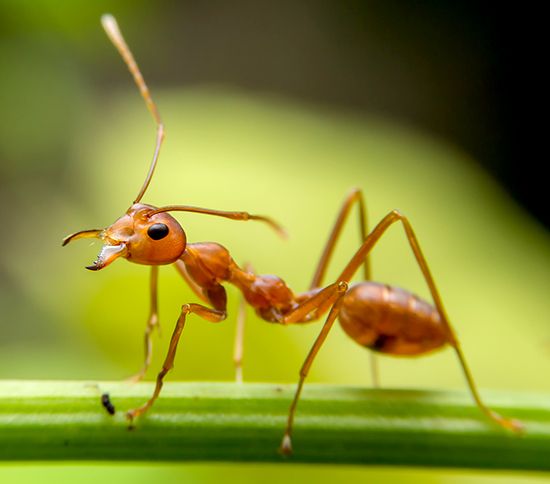
- Key Features: It contains an orange-colored sap with potentially poisonous alkaloids. The plant produces narrow seed pods containing small, shiny black seeds with a white appendage called an elaiosome, which attracts ants to assist in seed dispersal.1
Celandine Poppies (Genus Stylophorum)
- Family: Papaveraceae.
- Appearance: These resemble Chelidonium but feature flowers twice the size. They have two-paired, much-divided leaves on the stem below the flower cluster, in addition to basal leaves.
- Key Features: Like the greater celandine, these plants possess orange-yellow sap.1
Lesser Celandine (Ranunculus ficaria)
- Family: Ranunculaceae (Buttercup family).
- Appearance: A perennial herb characterized by heart-shaped leaves and typical buttercup flowers.16
Sources
- celandine — Encyclopædia Britannica
- celandine poppy — Merriam-Webster
- greater celandine — Merriam-Webster
- lesser celandine — Merriam-Webster
- Ranunculales — Encyclopædia Britannica
- Papaveraceae — Encyclopædia Britannica
- Ranunculaceae — Encyclopædia Britannica
Published on · 2 min read