Poales
The order Poales is a large and economically significant group of monocotyledonous flowering plants that includes more than 18,000 species. The order is…
Which important plant families are included in the Poales order?
The order Poales is a large and economically significant group of monocotyledonous flowering plants that includes more than 18,000 species. The order is organized into several lineages, including the grass group, the sedge group, and the cattail group, along with various other families.1
Important plant families included in the order Poales are:
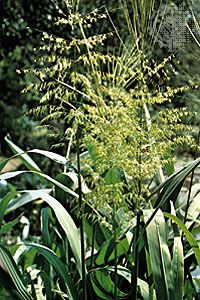
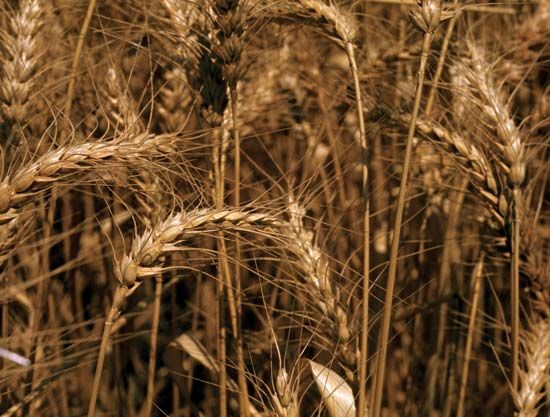
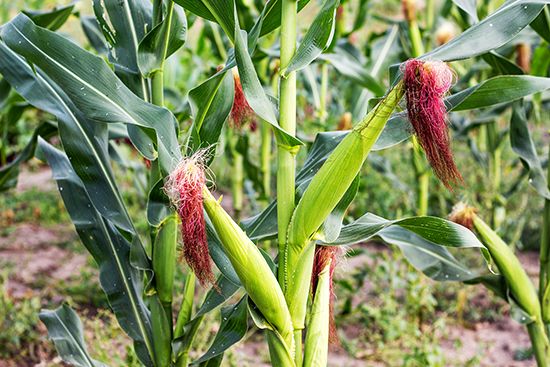
- Poaceae: The grass family, which is the most economically important family in the order, providing essential global food sources such as rice, corn, and wheat.21
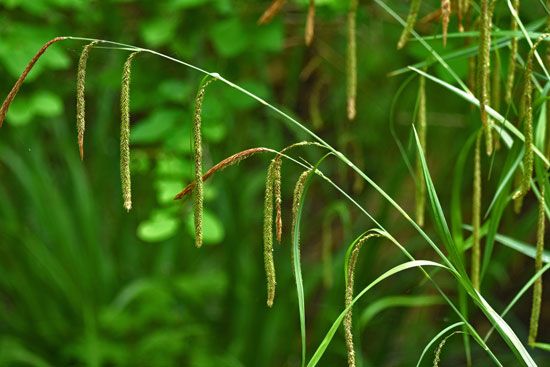
- Cyperaceae: The sedge family, a large group of grasslike or sedgelike plants.31
- Juncaceae: The rush family, which includes plants like rushes and woodrushes.1
- Bromeliaceae: A family that includes various species often recognized for their ornamental value.1
- Typhaceae: The cattail family, which includes plants commonly found in marshy habitats.1
- Other families: The order also encompasses families such as Restionaceae, Eriocaulaceae, Xyridaceae, Mayacaceae, Rapateaceae, Thurniaceae, Flagellariaceae, Joinvilleaceae, Ecdeiocoleaceae, Anarthriaceae, and Centrolepidaceae.1
What are the main characteristics that define the Poales order of plants?
The provided search results do not contain specific information regarding the defining morphological or structural characteristics of the Poales order. While the results identify Poaceae as a member of the order and note its global significance, they do not detail the shared traits that distinguish the order as a whole.
The information provided focuses on general plant reproductive systems and the specific characteristics of the unrelated Laurales order, rather than the defining features of Poales.
How did the Poales order evolve, and what are its closest relatives?
The evolutionary history of the Poales order remains a subject of ongoing study, as the fossil record provides limited insight into the group’s precise origins and geologic age. While the oldest records of grass pollen date back approximately 60 million years to the Paleocene, these plants did not become abundant until about 30 million years ago during the late Oligocene. This expansion is thought to be linked to the coevolution of grasses with newly emerged grazing animals and the aridification of the Earth’s surface caused by mountain formation and the growth of polar ice caps.1
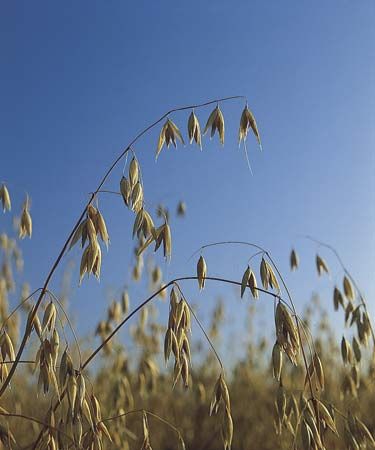
Regarding their relationships, grasses (Poaceae) were long assumed to be closely related to sedges (Cyperaceae) due to their shared herbaceous nature, narrow leaves, and wind-pollinated flowers. However, these similarities are now considered independent responses to similar environmental pressures. The closest extant relatives of grasses are believed to be a group of small families centered around the southern Pacific Ocean. Specifically, the family Joinvilleaceae shares anatomical features with grasses in its leaves and embryos, though it differs in having a well-developed perianth.1
How widespread are Poales plants geographically?
The order Poales is exceptionally widespread, largely due to the success of its most prominent family, the Poaceae.
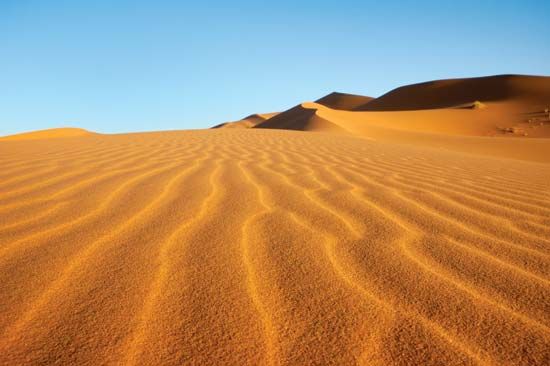
Plants within this order are found on every continent on Earth. They demonstrate remarkable ecological versatility, thriving in diverse environments ranging from arid deserts to freshwater and marine habitats. They are present at nearly all elevations, excluding only the highest, most extreme peaks. Collectively, plant communities dominated by these grasses account for approximately 24 percent of the Earth’s total vegetation, cementing their status as the most abundant and significant family of the Earth’s flora.1
Sources
- Poaceae — Encyclopædia Britannica
- Cyperaceae — Merriam-Webster
- angiosperm - Annotated classification — Encyclopædia Britannica
- Poaceae - Economic and ecological importance — Encyclopædia Britannica
- Poales — Encyclopædia Britannica
- Alismatales - Smaller families — Encyclopædia Britannica
- Poales — Merriam-Webster
- plant reproductive system - Seed plants — Encyclopædia Britannica
- plant reproductive system — Encyclopædia Britannica
- Laurales - Characteristic morphological features — Encyclopædia Britannica
- Poaceae - Evolution — Encyclopædia Britannica
- Poaceae - Distribution and abundance — Encyclopædia Britannica
Published on · 3 min read