Causses
Causses are a series of gorge-gouged limestone plateaus located in southwestern France. They form a significant part of the Massif Central, a large upland…
What are Causses and where are they primarily located in France?
Causses are a series of gorge-gouged limestone plateaus located in southwestern France. They form a significant part of the Massif Central, a large upland region in the south-central part of the country.123
The region is geographically divided into two main categories:
- Grands-Causses: Situated at higher elevations (3,000 to 4,000 ft or 900 to 1,200 m), these occupy parts of the Aveyron and Lozère départements.1
- Petits Causses: These are lower limestone plateaus found further west in the Quercy and Périgord areas.1
Characterized by their bare, stony, and karst-like landscape, the plateaus are deeply dissected by dramatic canyons carved by rivers such as the Tarn and Aveyron. The region is known for its unique geological features, including surface potholes known as avens that lead to extensive grottoes. Economically, the area relies heavily on tourism and traditional activities like sheep rearing, which supports the production of regional specialties such as Roquefort cheese.13
How were the Causses formed geologically?
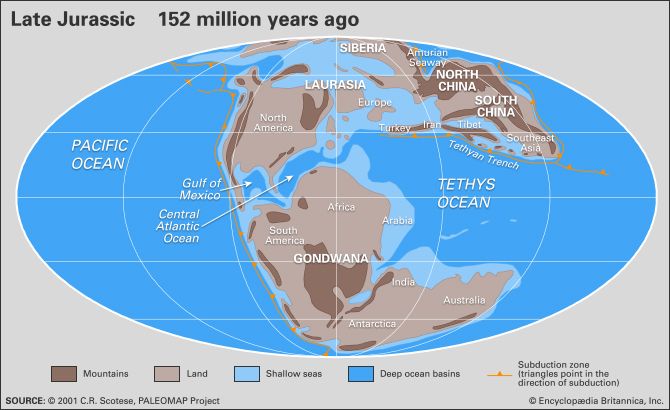
The geological formation of the Causses is primarily defined by the presence of thick Jurassic Period limestone deposits, which were laid down approximately 200 to 145 million years ago. These plateaus were subsequently uplifted during the Alpine mountain-building movements, which also caused the tilting of the Massif Central region.14
The distinctive landscape of the Causses is a result of karst processes, where slightly acidic rainwater percolates through vertical and horizontal fissures in the soluble limestone. This chemical dissolution creates a variety of features, including:3
- Karst topography: The removal of surface material and the widening of fissures produce a jagged, stony terrain characterized by an absence of surface streams.3
- Canyons and gorges: Following the regional uplift, rivers such as the Tarn and Aveyron were rejuvenated, allowing them to carve deep, dramatic canyons into the limestone plateaus.516
- Subsurface features: Water erosion and historical glacial action have opened surface potholes known as avens, which often lead to extensive cave systems and underground river channels.531
What role do the Causses play in French agriculture, particularly in cheese production?
The Causses play a vital role in the agricultural economy of the Massif Central, primarily through the practice of sheep rearing. This pastoral tradition is the foundation for the production of Roquefort, a world-renowned blue cheese made from ewe’s milk.139
The production process is deeply tied to the unique geology of the region:
- Aging Environment: Authentic Roquefort must undergo its final aging process in the natural limestone caves located on the western edge of the Causses du Larzac. The cool, humid atmosphere within these caverns is essential for the growth of the mold Penicillium roqueforti, which gives the cheese its characteristic flavor and blue veining.19
- Regulation: The production of this cheese is strictly controlled, with a cooperative established in 1880 to oversee quality. By French law, only cheese processed in these specific caves can be labeled as “Roquefort cheese,” protecting its heritage and status.19
Beyond cheese, sheep rearing remains a primary economic pillar for the region, supporting local industries such as the manufacturing of sheepskin gloves in towns like Millau.13
What are some popular tourist activities or attractions in the Causses region?
The Causses region offers a variety of attractions centered on its dramatic natural landscape and rich cultural history. Popular tourist activities include:
- Exploring Gorges and Canyons: The region is famous for its deep, spectacular gorges carved by rivers such as the Tarn and Aveyron. The Tarn gorges, stretching between Florac and Millau, are considered among the greatest tourist attractions in France.110
- Visiting Geological and Subterranean Sites: Visitors can explore the unique karst topography, including avens (potholes) that lead to extensive cave systems. Many of these grottoes, particularly in the Causses du Quercy, contain significant archaeological evidence of prehistoric human activity.1
- Engineering Landmarks: The Millau Viaduct, the world’s highest road bridge, is a major modern attraction that offers impressive views of the surrounding plateau and river valleys.11
- Cultural and Gastronomic Tourism: Travelers often visit the western edge of the Causses du Larzac to see the historic caves used for the production of Roquefort cheese, a cornerstone of the regional heritage.111
- Outdoor Recreation: The region is part of the Grands-Causses Regional Park, which provides a base for various outdoor activities amidst the stony, karst-like plateaus.113
Sources
- Causses — Encyclopædia Britannica
- Causses — Merriam-Webster
- Massif Central — Encyclopædia Britannica
- karst — Encyclopædia Britannica
- France - The Massif Central — Encyclopædia Britannica
- France - Relief — Encyclopædia Britannica
- river - Formation of canyons and gorges — Encyclopædia Britannica
- cave - Doline karst — Encyclopædia Britannica
- Roquefort — Encyclopædia Britannica
- Millau — Encyclopædia Britannica
- Eyzies-de-Tayac caves — Encyclopædia Britannica
- Tarn River — Encyclopædia Britannica
Published on · 3 min read