Cayuse
The term "Cayuse" refers to two distinct subjects, and it is important to distinguish between them to avoid confusion with the Cayuga people, who are a…
What is Cayuse?
The term “Cayuse” refers to two distinct subjects, and it is important to distinguish between them to avoid confusion with the Cayuga people, who are a separate Iroquoian-speaking group from the northeastern United States.1
The Cayuse People
The Cayuse are an Indigenous people historically native to the northwestern United States, primarily residing in eastern Oregon and Washington. Today, they are part of the Confederated Tribes of the Umatilla Indian Reservation in northeastern Oregon.23
The Cayuse Horse
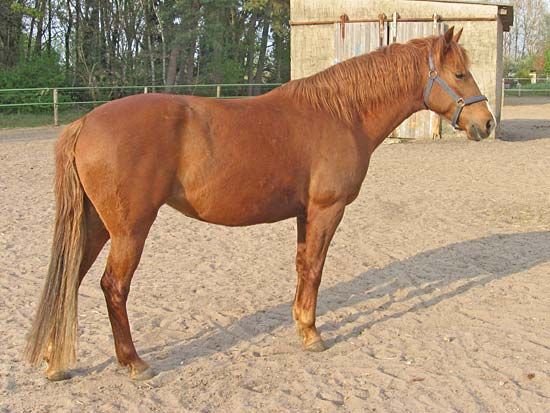
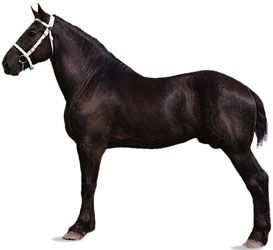
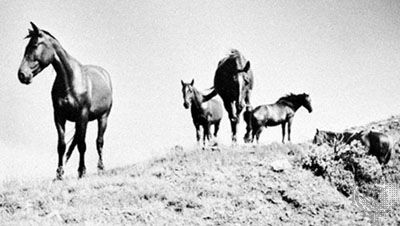
The term also refers to a breed of small, stocky horse known for its speed and endurance. This breed is named after the Cayuse people. It is believed to have descended from Spanish Barb horses brought to the New World in the 16th century, likely crossbred with Percherons imported by French Canadians. By the 19th century, the Cayuse had become a distinct breed, though it remains relatively rare in the 21st century.4
How did the Cayuse people influence the development of the horse breed?
It is a common misconception that the Cayuse people were directly involved in the selective breeding or genetic development of the horse breed that bears their name. In reality, the breed was named for the Cayuse people simply because they were the Indigenous group residing in the region where these horses were commonly found and used.15
The development of the Cayuse horse is attributed to a mix of historical factors rather than intentional breeding programs by the tribe. The breed is believed to have descended from Spanish Barb horses introduced to the New World in the 16th century, which later interbred with Percheron draft horses imported by French Canadians. While the Columbian Exchange fundamentally transformed the lives of many Indigenous groups by providing new modes of transportation and hunting, the “Cayuse” horse emerged as a distinct type of range horse through these broader environmental and historical influences rather than specific tribal husbandry.12
What are the Confederated Tribes of the Umatilla Indian Reservation?
The Confederated Tribes of the Umatilla Indian Reservation (CTUIR) is a union of three distinct Indigenous groups: the Cayuse, the Umatilla, and the Walla Walla. These tribes are historically native to the Plateau region of the Pacific Northwest, an area that served as a cultural crossroads between the Northwest Coast, the Plains, the Great Basin, and California.67
Historically, these tribes were known for their extensive trade networks and their deep connection to the land. By the early 19th century, the Cayuse, Umatilla, and Walla Walla were noted for their significant horse herds, which they acquired through trade with neighboring groups like the Shoshone. Following the pressures of European-American settlement and conflicts such as the Cayuse War, these groups were eventually moved to the Umatilla Indian Reservation in northeastern Oregon, where they continue to maintain their cultural heritage and governance today.67
How did Spanish horses change life for Indigenous peoples in the Pacific Northwest?
The introduction of Spanish horses fundamentally transformed the lives of Indigenous peoples in the Plateau region, serving as a catalyst for significant cultural and economic change during the 18th and 19th centuries.97
Economic and Social Impact
Before the arrival of horses, Plateau peoples relied on foot travel or small boats, which limited their mobility. Once horses were acquired—often through trade with groups like the Shoshone—they became central to the regional economy. Tribes such as the Nez Percé, Cayuse, Walla Walla, and Flathead amassed vast herds, often possessing more horses than many tribes on the northern Plains.97
Cultural Integration
The horse facilitated the adoption of new material culture and lifestyles. By the late 18th century, many Plateau groups began incorporating Plains-inspired traditions, such as the use of tepees and the wearing of beaded dresses and feathered headdresses. While some groups maintained distinct regional traditions, the increased mobility provided by horses allowed for greater interaction across the Plateau, Northwest Coast, and Great Basin culture areas.79
Sources
- Cayuse — Encyclopædia Britannica
- Cayuse — Merriam-Webster
- Cayuga — Encyclopædia Britannica
- Oregon - History of Oregon — Encyclopædia Britannica
- Columbian Exchange - Animals — Encyclopædia Britannica
- Umatilla — Merriam-Webster
- Plateau Indian - Trade and interaction — Encyclopædia Britannica
- Washington - Native Americans and early European explorers — Encyclopædia Britannica
- Native American - The Plains and Plateau culture areas — Encyclopædia Britannica
- Indigenous peoples of the Great Basin: Top Questions — Encyclopædia Britannica
- Indigenous peoples of the Great Plains - Plains life after the horse — Encyclopædia Britannica
Published on · 3 min read