Cecropia
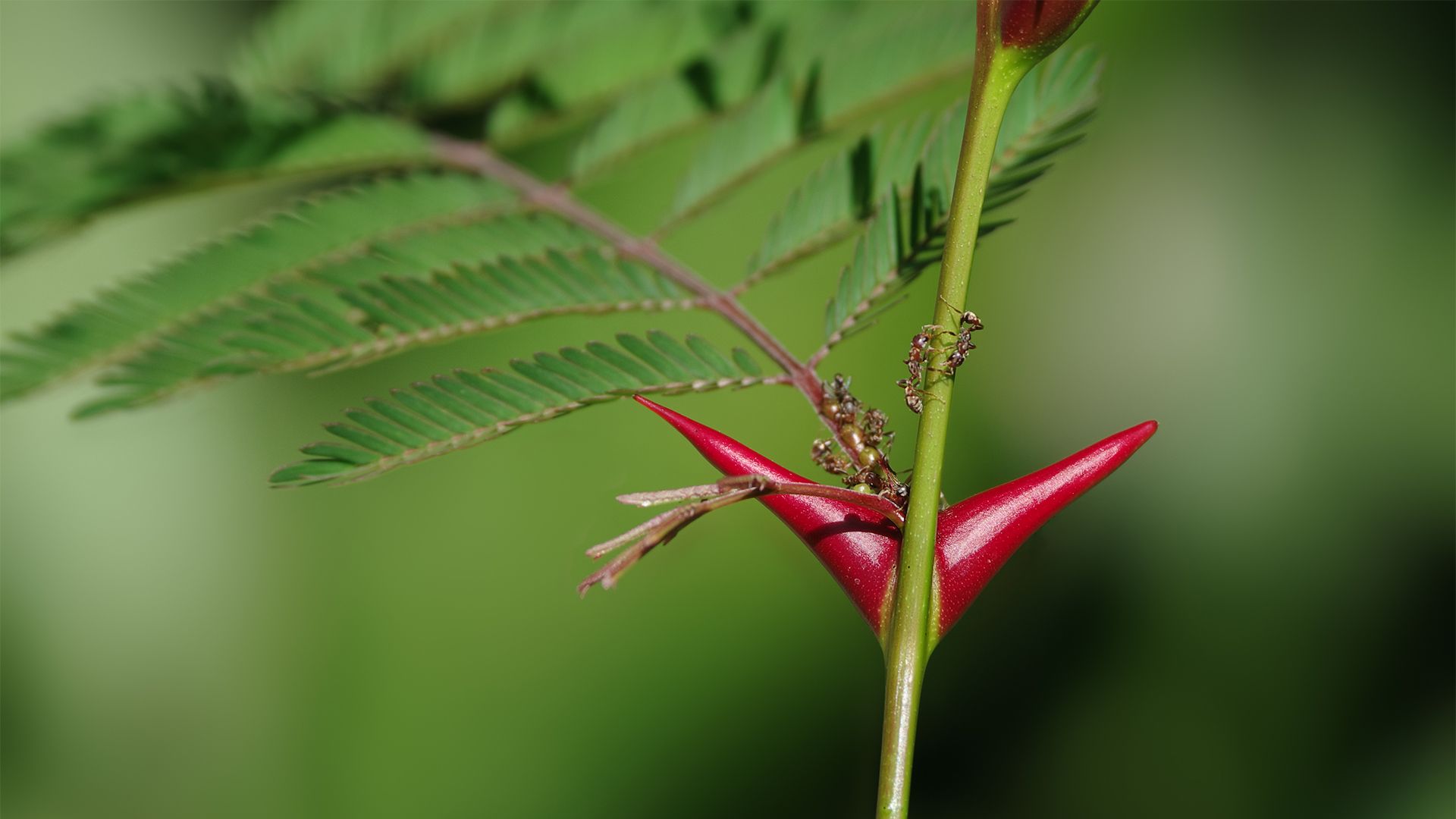
The relationship between Cecropia trees and Azteca ants is a classic example of defense mutualism in tropical ecosystems.
How do cecropia trees interact with ants, and what is the significance of this relationship?
The relationship between Cecropia trees and Azteca ants is a classic example of defense mutualism in tropical ecosystems.1
In this partnership, the tree provides the ants with both housing and sustenance. The ants nest within chambers they create by burrowing into the tree’s soft internal stem tissue. Additionally, the tree produces glycogen-rich food bodies at the base of its leaves, particularly under young foliage, to nourish the colony.1
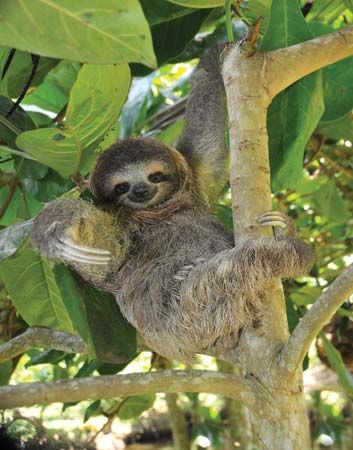
The significance of this interaction lies in the protection the ants provide to the tree. The ants actively patrol the foliage to deter insects that might otherwise damage the leaves. Furthermore, some ant species benefit the tree by cutting away encroaching vines that could compete for resources or light. While this defense is highly effective against many threats, it does not deter all herbivores; for instance, sloths often feed on the trees, as the ants generally ignore the main leaf and wood surfaces.1
How do cecropia trees reproduce and disperse their seeds?
Cecropia trees are dioecious, meaning individual trees are either male or female. The flowers are very small and are borne on elongated, hanging structures known as catkins. A single female tree is highly prolific, capable of producing nearly one million seeds each time it fruits.1
Seed dispersal is primarily achieved through the activity of various animals that consume the fruit. Because the fruits are attractive to a wide range of wildlife, these animals play a critical role in transporting seeds away from the parent tree.13
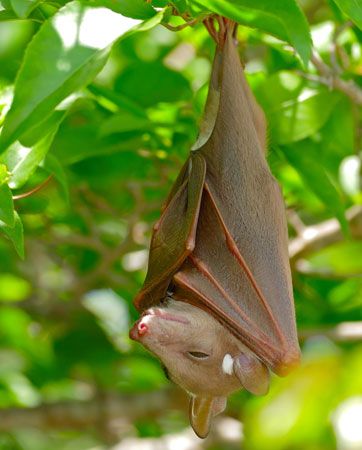
- Internal Dispersal: Many birds and fruit bats, such as the Jamaican fruit bat, feed on the fruits. Small seeds are often ingested and subsequently excreted, sometimes benefiting from the process as they pass through the animal’s digestive system.3
- External Dispersal: Fruit bats often transport fruits to feeding roosts located away from the source tree. While they consume some seeds, they may discard others at these sites, effectively distributing them across the forest.3
What are some of the adaptations that allow cecropia trees to thrive in tropical environments?
Cecropia trees have evolved several key adaptations that allow them to thrive as successful colonizers in the disturbed forest habitats of Central and South America:
- Rapid Growth: These trees are characterized by an extremely fast growth rate, which allows them to quickly occupy forest gaps or clearings where sunlight is abundant.1
- Defense Mutualism: They maintain a symbiotic relationship with Azteca ants. The tree provides the ants with nesting chambers in its soft stem tissue and glycogen-rich food bodies at the base of its leaves. In return, the ants protect the tree by patrolling the foliage to deter herbivorous insects and by cutting away encroaching vines.1
- Reproductive Strategy: Being dioecious, they ensure genetic diversity. Female trees are highly prolific, producing nearly one million seeds per fruiting event, which maximizes the chances of colonizing new areas.1
- Structural Characteristics: Their distinct umbrella-like arrangement of large leaves at the branch tips helps them capture light efficiently in the understory layer.1
How do cecropia trees respond to forest disturbances, and why are they considered pioneer species?
Cecropia trees are quintessential pioneer species because they are specifically adapted to rapidly colonize forest gaps and clearings created by natural events or human activity.14
Their response to these disturbances is defined by a life-history strategy that prioritizes speed and high-volume reproduction over longevity:
- Rapid Colonization: They exhibit extremely fast growth rates in high-light environments, allowing them to quickly occupy open spaces before slower-growing, shade-tolerant species can establish themselves.14
- Reproductive Efficiency: Cecropias reach reproductive maturity relatively quickly. A single female tree can produce nearly one million seeds per fruiting event, ensuring a massive dispersal of offspring into newly available habitats.14
- Resource Trade-offs: To maintain this rapid growth, they produce soft, low-density wood and leaves with high photosynthetic capacities. However, these traits come at the cost of higher mortality rates and increased susceptibility to insect damage compared to long-lived, dense-wooded forest trees.14
By quickly filling canopy gaps, these trees play a vital role in the early stages of forest regeneration.4
Sources
- Cecropia — Encyclopædia Britannica
- mutualism — Encyclopædia Britannica
- Hitching a ride — Encyclopædia Britannica
- Rainforest regeneration in PanamaRegeneration in Panama — Encyclopædia Britannica
Published on · 3 min read