Mutualism
Mutualism is an association between organisms of two different species in which each participant derives a benefit. These relationships are integral to the…
Can you provide some examples of mutualistic relationships in nature?
Mutualism is an association between organisms of two different species in which each participant derives a benefit. These relationships are integral to the organization of biological communities and can range from facultative partnerships to obligative mutualism, where neither partner can survive without the other.123
Examples of mutualistic relationships include:
- Clown Fish and Sea Anemones: The common clown fish gains protection from predators among the stinging tentacles of sea anemones. In return, the fish cleans parasites from the anemone and deters butterfly fish that might otherwise consume the anemone’s tentacles.4
- Plants and Mycorrhizae: Many terrestrial plants form mycorrhizal associations with fungi. The fungi help the plant absorb nutrients from the soil, which is often essential for the plant’s establishment.12
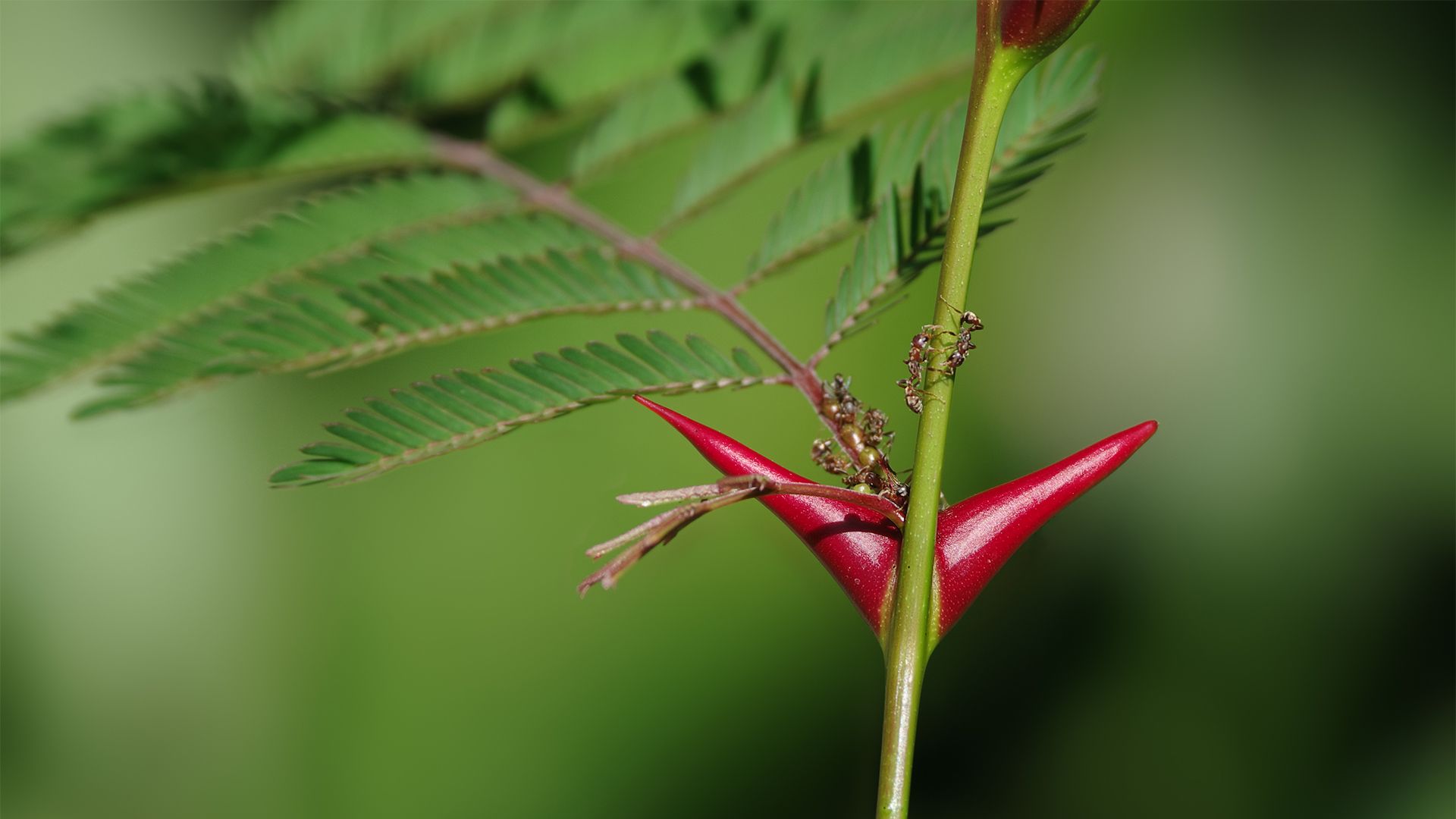
- Acacia Ants and Bullhorn Acacia: Acacia ants live within the bullhorn acacia, receiving food and shelter. The ants protect the plant by driving away browsing animals.1
- Termites and Gut Microorganisms: Termites rely on specialized protozoans and bacteria in their digestive tracts to break down and metabolize the cellulose in wood.12
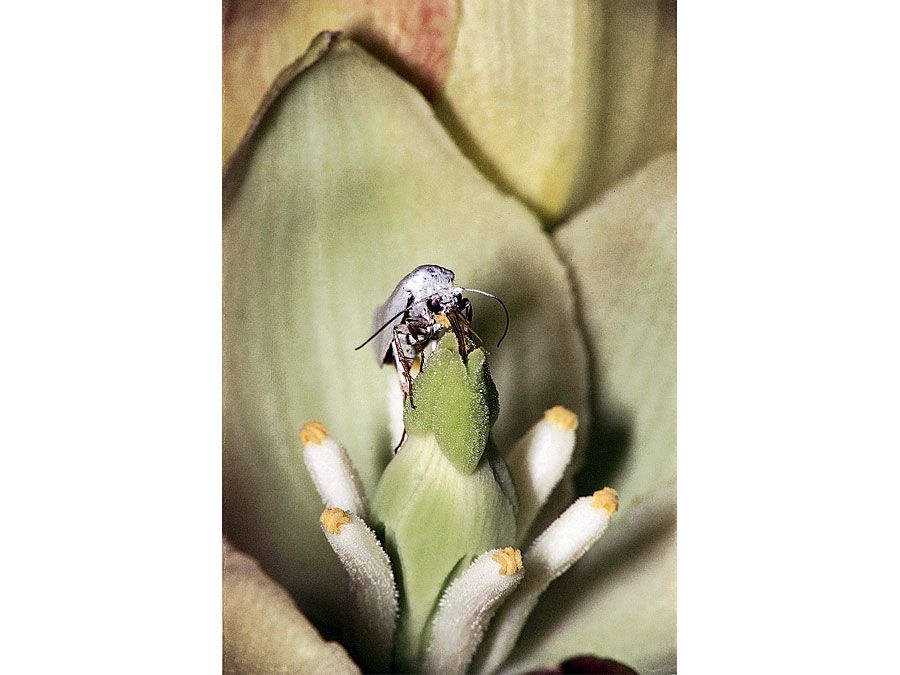
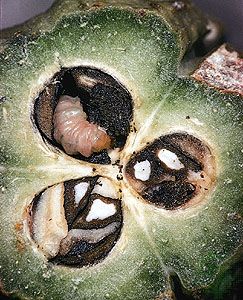
- Yucca Moths and Yucca Plants: This relationship is highly specialized; the yucca moth pollinates the yucca plant while laying eggs in its seedpods, providing a food source for the developing larvae.1
Can mutualistic relationships evolve into other types of symbiotic relationships over time?
Yes, mutualistic relationships can evolve into other forms of symbiosis over time. Because these interactions are driven by the genetically selfish interests of the participants, natural selection continuously reshapes them as each species attempts to maximize its own benefit.6
This evolutionary process is dynamic and can shift in several ways:
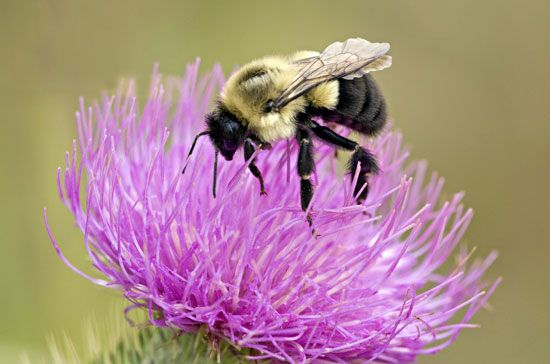
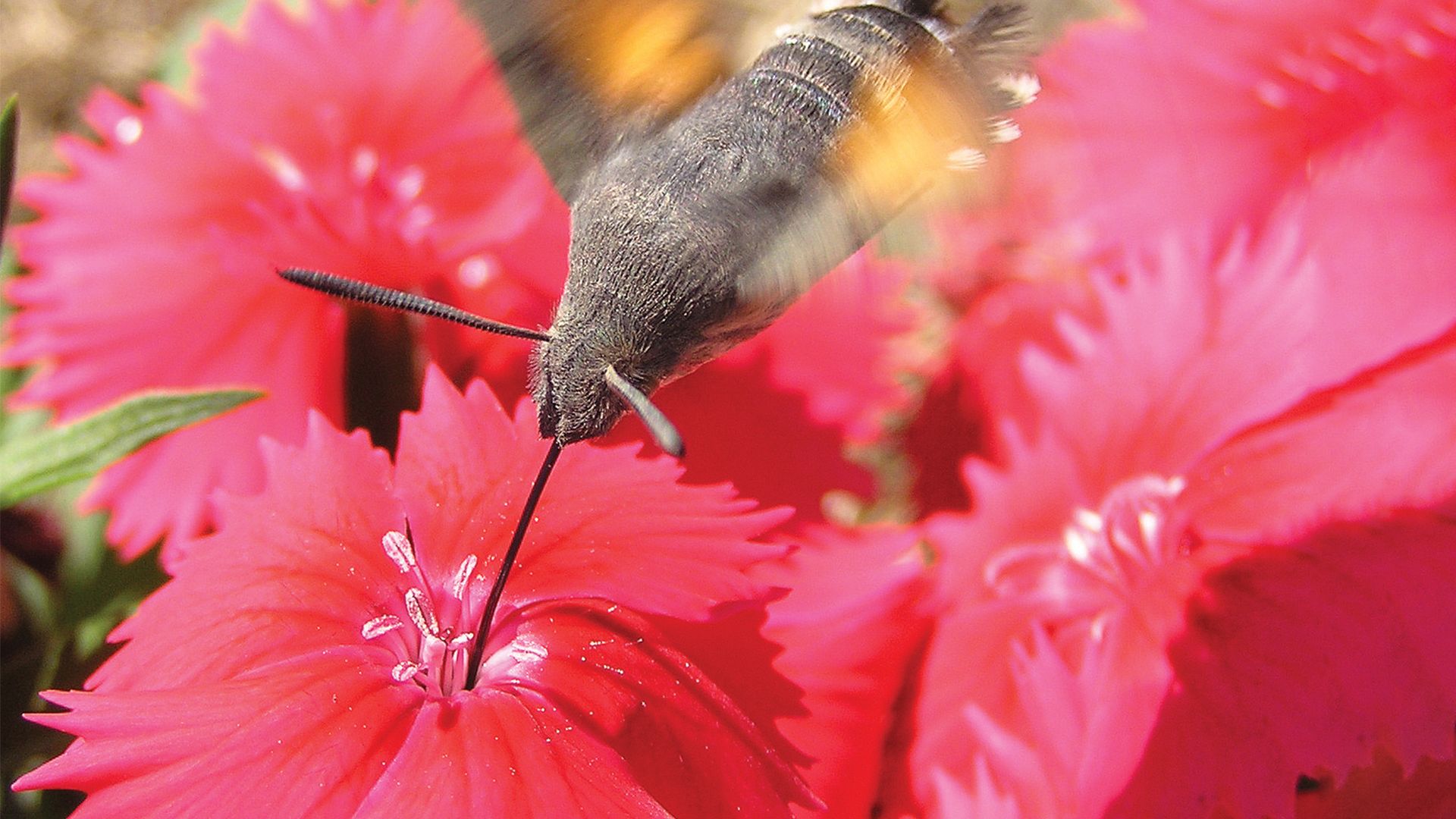
- Emergence of Cheating: In established mutualisms, some species may evolve to exploit the relationship without providing the expected benefit. For example, while many bees pollinate plants while collecting nectar, some “cheater” species—such as certain bumblebees—bypass the reproductive parts of the flower to extract nectar without facilitating pollination.7
- Shifting Ecological Context: The benefits derived from an interaction can vary between different populations of the same species. As environmental conditions or population characteristics change, a relationship that is mutualistic in one context may evolve in different directions elsewhere.8
- Coevolutionary Pressure: Through coevolution, species constantly apply selection pressure on one another. While some interactions remain mutualistic, others may transition toward antagonism. Conversely, some antagonistic relationships, such as certain parasite-host interactions, may see a reduction in harm over time as they adapt to one another.7
What are the potential risks or drawbacks of mutualistic relationships for the organisms involved?
While mutualistic relationships provide significant benefits to the participating species, they are not inherently altruistic. Instead, they are driven by the genetically selfish interests of each organism, which creates several potential risks and drawbacks:
- Susceptibility to “Cheaters”: Because mutualisms are based on the manipulation of other species for individual gain, they are vulnerable to exploitation by “cheaters.” These organisms extract benefits from the relationship without reciprocating. For example, some bees and hummingbirds bypass a flower’s reproductive structures to steal nectar, while certain fish mimic the appearance of cleaner fish to attack host fish rather than removing parasites.810
- Predatory Exploitation: Some predators use the structure of mutualistic interactions to their advantage. Predators like crab spiders and praying mantids may use flowers as hunting grounds, camouflaging themselves to ambush unsuspecting pollinators that are drawn to the plant.10
- Evolutionary Instability: As species evolve to exploit one another, the mutualistic relationship itself can break down. If a host cannot develop defenses to thwart cheaters, the interaction may collapse or shift toward antagonism.10
- Loss of Independence: In cases of obligative mutualism, organisms may become so integrated—such as through endosymbiosis—that they lose the ability to survive independently. This creates a high level of dependency where the survival of one partner is inextricably linked to the other, making them vulnerable if their partner population declines.115
Are there any examples of mutualism between different kingdoms of life, such as between plants and animals?
Mutualistic relationships between different kingdoms of life are fundamental to the structure of biological communities. These interactions, while driven by the genetically selfish interests of each participant, provide essential services that allow diverse species to thrive.313
Prominent examples of cross-kingdom mutualism include:
- Plant-Animal Interactions: Many plants rely on animals for pollination and seed dispersal. In tropical ecosystems, animals often disperse the seeds of nearly every woody plant species. Conversely, many animals depend on plant-produced fruits and nectar as primary food sources.38
- Plant-Fungus Associations: Many terrestrial plants form mycorrhizal associations with soil fungi, which assist the plants in nutrient uptake. Without these fungal partners, many plants would be unable to establish themselves in their environments.3
- Ant-Plant Protection: Certain plants produce extrafloral nectaries to attract ants. In exchange for the nectar, the ants protect the plants by killing insect herbivores that attempt to feed on them.3
- Ant-Fungus Cultivation: Leaf-cutting ants maintain specialized fungus gardens on cut leaves, providing the fungus with a substrate while relying on it as a food source.3
Sources
- common clown fish — Encyclopædia Britannica
- mutualism — Encyclopædia Britannica
- community ecology - The pervasiveness of mutualism — Encyclopædia Britannica
- pollination - Bees — Encyclopædia Britannica
- community ecology - Mutualism — Encyclopædia Britannica
- symbiosis — Encyclopædia Britannica
- Protozoan - Evolution and paleontology — Encyclopædia Britannica
- community ecology - The evolution of mutualism — Encyclopædia Britannica
- coevolution — Encyclopædia Britannica
- Endosymbiosis — Encyclopædia Britannica
- community ecology - Mutualism and cheaters — Encyclopædia Britannica
- community ecology - Interspecific interactions and the organization of communities — Encyclopædia Britannica
- seed dispersal - Zoochory: animal dispersal — Encyclopædia Britannica
Published on · 4 min read