Celery
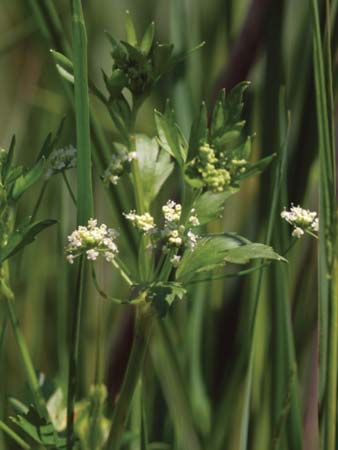
Celery (Apium graveolens) is a herbaceous plant belonging to the parsley family (Apiaceae). It is characterized by its thick, edible stalks (petioles) and is…
What is celery and where did it originate?
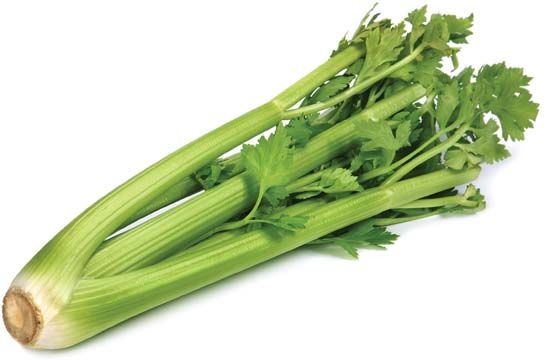
Celery (Apium graveolens) is a herbaceous plant belonging to the parsley family (Apiaceae). It is characterized by its thick, edible stalks (petioles) and is widely used as a vegetable or flavoring agent in various dishes, including soups and salads. Additionally, its seeds are harvested as a spice and have historically been used in herbal medicine for their diuretic and anti-inflammatory properties.12
The plant is native to the Mediterranean region, with wild populations historically found in marshes across Europe and North Africa, as well as mountainous areas of southern Asia. While the exact location of its domestication is uncertain, the eastern Mediterranean is considered the most likely center of origin. Ancient civilizations, including the Egyptians and Greeks, held wild celery in high regard for its symbolic and ritualistic significance long before the development of the milder, fleshy-stalked varieties commonly consumed today, which were likely cultivated during the Middle Ages1.
How is celery used in different cuisines around the world?
Celery is a versatile ingredient used globally as both a primary vegetable and a foundational flavoring agent. Its culinary applications vary significantly depending on the region and the specific variety of the plant being used.2
Culinary Foundations and Flavor Bases
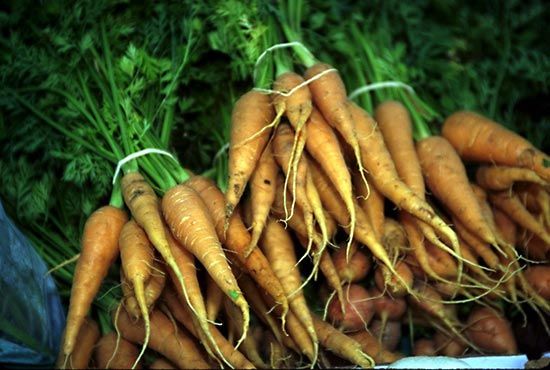
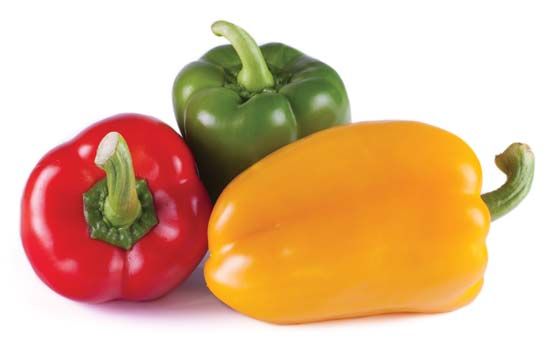
In many Western cuisines, celery serves as a critical aromatic component. It is a key ingredient in the French mirepoix—a sautéed mixture of diced celery, onions, and carrots that provides the flavor base for countless soups, stews, and sauces. Similarly, in Cajun cooking, celery is one-third of the “holy trinity,” combined with bell peppers and onions to form the essential base for regional dishes.21
Diverse Uses
- Raw Consumption: In the United States, raw celery stalks are frequently served as a low-calorie snack, often paired with dips or spreads, or incorporated into salads.32
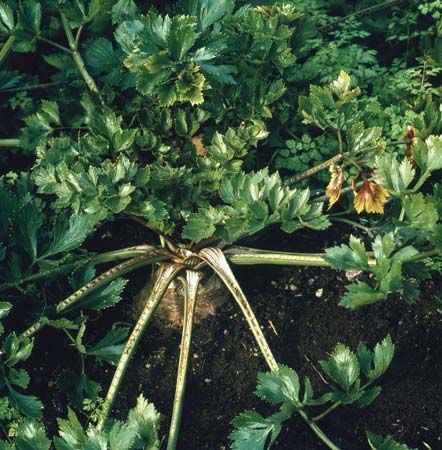
- Varietal Differences: Beyond common stalk celery, celeriac (or root celery) is prized for its bulbous root, which can be roasted, mashed, or blanched for use in savory casseroles. Leaf celery is specifically cultivated for its flavorful leaves.24
- Seasoning: Celery seeds are harvested as a spice to add aroma to pickles and various cooked dishes.32
Are there any medicinal or traditional uses for celery?
Celery has a long history of both symbolic and medicinal use. Beyond its culinary applications, the plant held significant ritualistic value in ancient civilizations; for example, wild celery leaves were discovered in the tomb of King Tutankhamun as part of funerary garlands, and the ancient Greeks fashioned wreaths from wild celery leaves to crown the victors of the Nemean and Isthmian games.1
In the context of traditional herbal medicine, it is specifically the celery seed that has been utilized for its therapeutic properties. These seeds contain an essential oil rich in compounds such as phthalides and terpenes. Traditionally, the seeds have been employed as a diuretic and as an anti-inflammatory remedy to help manage conditions such as rheumatism and gout.12
What parts of the celery plant are edible and how are they typically prepared?
Different varieties of the celery plant (Apium graveolens) offer various edible parts, each prepared in distinct ways:
- Stalks (Petioles): Primarily harvested from stalk celery, these are eaten raw as a snack, often with dips, or chopped for salads. They are also a foundational aromatic in cooked dishes like soups, stews, and flavor bases such as the French mirepoix or the Cajun “holy trinity.”24
- Root (Hypocotyl): Celeriac is grown for its large, knobby bulbous root. It can be roasted, mashed, or blanched and is commonly used in savory casseroles.14
- Leaves: Cultivated specifically in leaf celery varieties, the leaves are used as a flavorful garnish or ingredient in various dishes.14
- Seeds: These tiny, seedlike fruits are harvested as a spice to provide aroma and flavor to pickles and soups.24
Sources
- celery — Encyclopædia Britannica
- celery: Top Questions — Encyclopædia Britannica
- mirepoix — Merriam-Webster
- celeriac — Encyclopædia Britannica
Published on · 3 min read