Centaurea
Centaurea is a genus comprising approximately 500 species of herbaceous plants within the composite family (Asteraceae). These plants are primarily native to…
What is Centaurea?
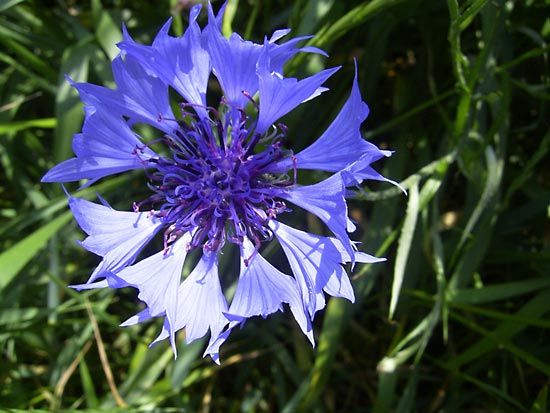
Centaurea is a genus comprising approximately 500 species of herbaceous plants within the composite family (Asteraceae). These plants are primarily native to the Old World, with a significant concentration in the Mediterranean region.1
The genus encompasses a diverse range of annual and perennial garden plants. Well-known examples include:1
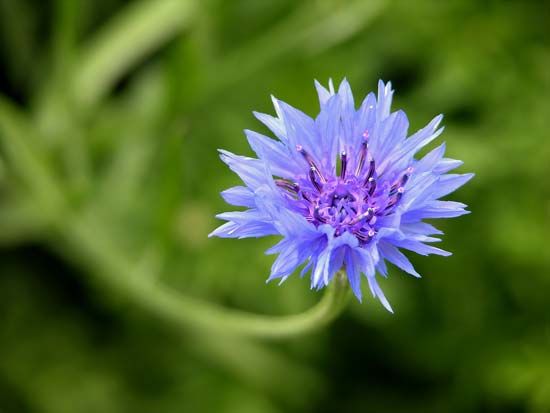
- Cornflower (C. cyanus), also known as bachelor’s button, which is popular in bouquets and attracts butterflies.12
- Basket-flower (C. americana).1
- Various other plants commonly referred to as knapweed, thistle, dusty miller, mountain bluet, and sweet-sultan.1
While many are cultivated for their ornamental value, some species have naturalized as invasive species in regions outside their native range invasive species in regions outside their native range.2
What defines the Asteraceae plant family?
The Asteraceae family, commonly known as the aster, daisy, or composite family, is one of the largest families of angiosperms, comprising more than 1,620 genera and 25,000 species of trees, shrubs, and herbaceous plants distributed globally.34
Key Defining Characteristics
The most distinctive feature of the family is the grouping of flowers into compact inflorescences (heads) that resemble individual flowers. These heads are typically subtended by an involucre of small, modified leaves called bracts.5
Other defining traits include:
- Floral Structure: The calyx is highly modified into a pappus, which may consist of scales, awns, or bristles. The ovary is compound, formed by two united carpels, and contains a single basal ovule.5
- Fruit: The family is characterized by one-seeded achene fruits.4
- Head Types: Depending on the arrangement of disk, ray, or ligulate flowers, heads are classified as discoid, radiate, disciform, or ligulate.5
Beyond their botanical structure, the family is economically significant for its many ornamental garden plants, food crops like lettuce and artichokes, and sources of cooking oils such as sunflower and safflower.6
Why are some Centaurea species considered invasive?
Sorry, the Britannica knowledge base does not contain this information.
How do pollinators interact with cornflowers?
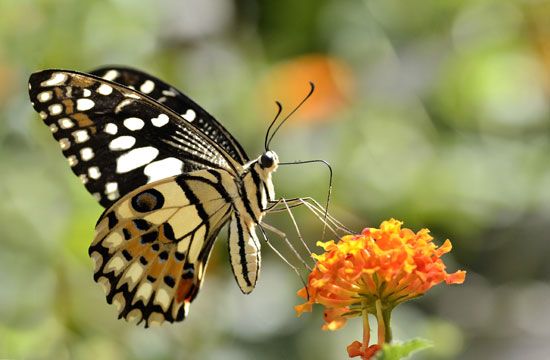
Cornflowers (Centaurea cyanus), which belong to the Asteraceae family, interact with pollinators primarily through their visual appeal. The plant produces papery flower heads featuring blue, pink, or white ray flowers that are specifically attractive to butterflies.7
Like other members of the Asteraceae family, cornflowers utilize a system known as plunger, or secondary, pollination. In this process, the stamens form a tube around the immature style. As the style elongates, it pushes pollen out on specialized hairs, presenting it to visiting insects. This mechanism facilitates outcrossing, as the stigma remains unreceptive while the pollen is being presented to pollinators. Once the stigma becomes receptive, it may eventually curl down to self-pollinate if cross-pollination has not occurred, ensuring the plant’s reproductive success.2
Because the individual flowers of most Asteraceae species are relatively small and the nectar is easily accessible, these plants are typically visited by a diverse array of insects rather than being dependent on a single specialized pollinator.2
Sources
- Centaurea — Encyclopædia Britannica
- cornflower — Encyclopædia Britannica
- Asteraceae — Encyclopædia Britannica
- list of plants in the family Asteraceae — Encyclopædia Britannica
- Asteraceae - Flowers — Encyclopædia Britannica
- Asteraceae - Economic importance — Encyclopædia Britannica
- Asteraceae - Pollination — Encyclopædia Britannica
- angiosperm - Pollination — Encyclopædia Britannica
- pollination - Beetles and flies — Encyclopædia Britannica
- pollination - Structural — Encyclopædia Britannica
- community ecology - Commensalism and other types of interaction — Encyclopædia Britannica
Published on · 2 min read