Ceratozamia
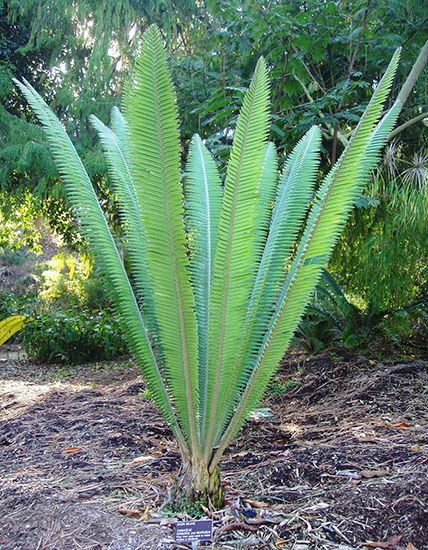
Ceratozamia is a genus comprising approximately 18 species of cycads belonging to the family Zamiaceae. These plants are native to Mexico and Central America…
What is Ceratozamia?
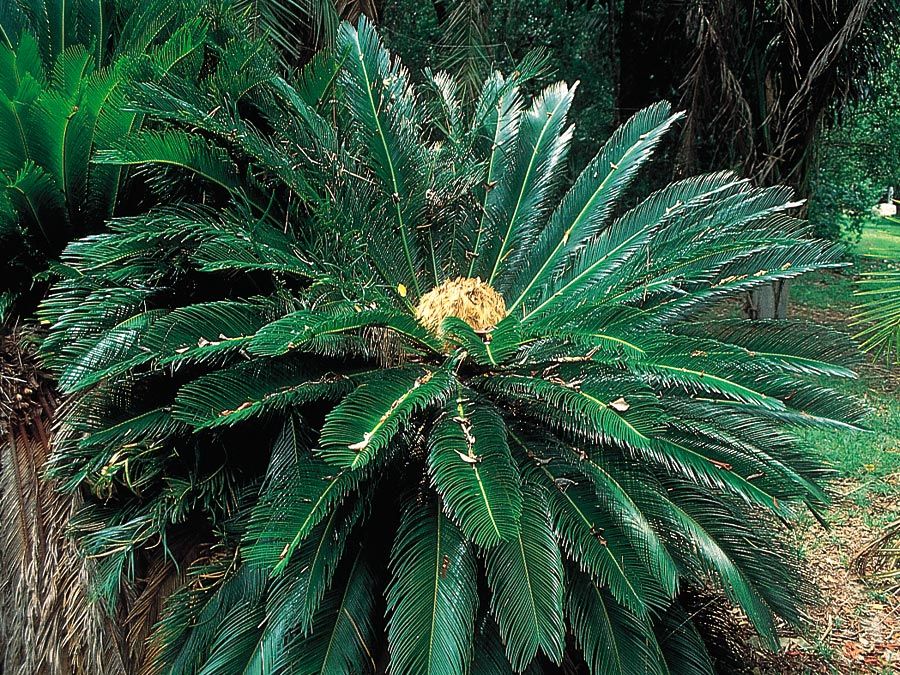
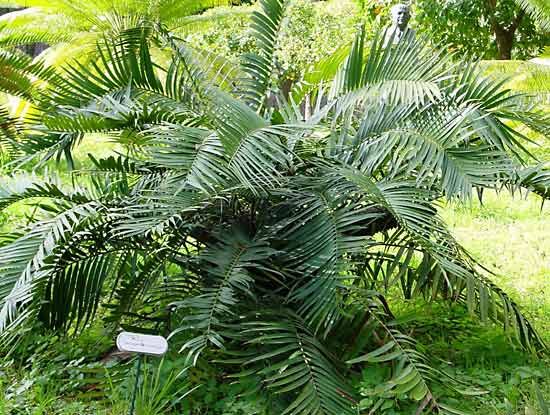
Ceratozamia is a genus comprising approximately 18 species of cycads belonging to the family Zamiaceae. These plants are native to Mexico and Central America and are recognized by their short, scaly, woody trunks, fernlike foliage, and distinctive cones featuring scales (sporophylls) with pairs of spinelike horns.123
While these plants are popular in cultivation as ornamentals and specimen plants, most species are restricted to small geographic areas in the wild. Due to their limited distribution, nearly all Ceratozamia species are classified as endangered or critically endangered, and they are strictly protected by law from unauthorized collection or export.1
What are the main differences between cycads and other gymnosperms?
Cycads (Cycadophyta) are distinct from other gymnosperms—such as conifers, ginkgo, and gnetophytes—in several key morphological and reproductive ways:
Structural Differences
- Growth Form: Cycads are typically short, stout, and palmlike, featuring a “pachycaulous” stem (thick at the crown and base). Unlike coniferophytes, cycads possess a primary thickening meristem that produces significant cortical parenchyma, resulting in a fleshy, soft interior with relatively little woody tissue.5
- Leaf Anatomy: Cycads have compound, pinnate (featherlike) leaves. They also produce stiff, scalelike leaves called cataphylls that form a persistent “armour” on the trunk.65
- Vascular Features: Unique to cycads are “girdling leaf traces,” where vascular strands follow a circuitous route to the leaf bases, a feature not found in coniferophytes or seed ferns.5
Reproductive Differences
- Motile Sperm: Unlike conifers and gnetophytes, which have non-flagellated sperm, cycads (and ginkgo) produce large, multiflagellate sperm cells.7
- Dioecious Nature: All cycads are dioecious, meaning male and female cones are produced on separate individual plants. While some other gymnosperms are also dioecious, conifers are typically monoecious.67
- Nitrogen Fixation: Many cycads host cyanobacteria in specialized coralloid roots to fix atmospheric nitrogen, a symbiotic relationship less characteristic of other gymnosperm divisions.6
Why are most Ceratozamia species considered endangered?
Most Ceratozamia species are considered endangered or critically endangered primarily because they are restricted to very small geographic areas in the wild. This limited distribution makes them exceptionally vulnerable to environmental changes and human activity.1
Furthermore, the high desirability of these plants as ornamental and specimen plants has led to significant overharvesting from their native habitats. Because of these pressures, all species in the genus are strictly protected by law against unauthorized collection and export, and their international trade is regulated by the Convention on International Trade in Endangered Species of Wild Fauna and Flora1.110
How do cycads reproduce using cones?
Cycads are dioecious, meaning male and female reproductive structures are produced on separate individual plants. Their reproduction relies on the development of specialized structures called strobili, or cones.1112
Male and Female Structures
- Male Cones: Male plants produce microsporophylls arranged spirally around a central axis to form a cone. These sporophylls bear clusters of pollen sacs, known as microsporangia, on their undersides. A single cone can produce billions of pollen grains.1112
- Female Cones: Female plants produce megasporophylls that bear ovules. In most genera, these are arranged into cones, though in the genus Cycas, they are arranged in whorls at the stem apex rather than in a true cone.11
Pollination and Fertilization
While their high pollen production might suggest wind dispersal, most cycads rely on insect vectors, such as snout weevils, to transport pollen to the female ovules. Once pollen enters the ovule through an opening called the micropyle, it develops into a pollen tube. Simultaneously, the female gametophyte develops within the ovule, forming large eggs inside structures called archegonia. Eventually, the male gametophyte releases multiflagellated sperm, which swim to the egg to achieve fertilization.1213
Sources
- Ceratozamia — Encyclopædia Britannica
- Ceratozamia — Merriam-Webster
- cycadophyte - Annotated classification — Encyclopædia Britannica
- list of cycads — Encyclopædia Britannica
- gymnosperm - Cycadophyta — Encyclopædia Britannica
- cycadophyte - Stem — Encyclopædia Britannica
- plant reproductive system - Gymnosperms — Encyclopædia Britannica
- gymnosperm - Annotated classification — Encyclopædia Britannica
- gymnosperm — Encyclopædia Britannica
- cycad — Encyclopædia Britannica
- cycadophyte - Sporophyte phase — Encyclopædia Britannica
- cycadophyte - Gametophyte phase — Encyclopædia Britannica
- cycadophyte - Sporophylls and strobili — Encyclopædia Britannica
Published on · 3 min read