Cycadeoidophyta
There are no living plants that are direct descendants or members of the division Cycadeoidophyta (also known as Bennettitales), as the entire group is…
Are there any living plants that are closely related to Cycadeoidophyta?
There are no living plants that are direct descendants or members of the division Cycadeoidophyta (also known as Bennettitales), as the entire group is extinct.12
While they are often compared to modern cycads due to superficial similarities in their trunk structure and pinnate leaves, cycads belong to a separate order, Cycadales, and are not closely related in a taxonomic sense.132
Historically, paleobotanists have noted that the reproductive structures of the Cycadeoidophyta—specifically their bisexual cones encased in petal-like bracts—bear a resemblance to the reproductive organs of angiosperms (flowering plants). This has led some researchers to suggest an evolutionary link between the extinct cycadeoids and the ancestors of flowering plants, rather than a direct relationship with any surviving gymnosperm lineage.3
How do paleobotanists study and classify Cycadeoidophyta fossils?
Paleobotanists study and classify Cycadeoidophyta (also known as Bennettitales) by analyzing their distinct morphological features and reproductive structures preserved in the fossil record. Because these plants are extinct, researchers rely on the following methods:124
- Morphological Analysis: Paleobotanists examine the physical structure of fossilized trunks, which are often “armoured” with persistent leaf bases. By comparing the trunk shapes—such as the squat, barrel-shaped trunks of Cycadeoidea versus the more slender, branching forms of Williamsonia—scientists can distinguish between different genera.251
- Reproductive Structure Reconstruction: A primary classification tool is the study of strobili (cones). Unlike cycads, cycadeoids often possessed bisexual cones containing both pollen and ovules, sometimes encased in petal-like bracts. Detailed reconstruction of these cones allows researchers to differentiate them from other gymnosperms.125
- Chemical Markers: In some cases, the identification of specific chemical markers within fossilized tissues has been used to analyze evolutionary relationships, including historical comparisons to angiosperms.2
- Palynology: Scientists also utilize palynology, the study of fossilized pollen and spores, to understand the geographical distribution and phylogenetic relationships of these plants.6
What was the reproductive structure of Cycadeoidophyta like?
The reproductive structures of the Cycadeoidophyta (Bennettitales) were distinct from those of modern cycads and are often noted for their flowerlike appearance.26
Key features of these structures include:
- Bisexual Cones: Unlike most gymnosperms, many cycadeoids possessed compound strobili (cones) that contained both pollen and ovules within the same structure.26
- Floral Arrangement: The cones were often composed of a central, ovule-bearing structure surrounded by a whorl of modified leaves (sporophylls) that produced pollen. In some cases, the entire assembly was encased in a whorl of bracts, creating a rosette form that resembled a flower.26
- Gymnospermous Nature: Despite their superficial resemblance to angiosperms, these structures were not true flowers. They bore naked ovules, which is a defining characteristic of gymnosperms.6
- Pollination: It is widely believed that these cones remained closed at maturity, suggesting that the plants were likely self-pollinated rather than insect-pollinated.2
How do Cycadeoidophyta contribute to our understanding of plant evolution?
Cycadeoidophyta (also known as Bennettitales) are significant to the study of plant evolution primarily because their reproductive structures exhibit a striking, albeit superficial, resemblance to those of angiosperms (flowering plants).21
Paleobotanists have long analyzed these fossils to understand the following evolutionary themes:
- Convergent Evolution: While early researchers hypothesized that cycadeoids were direct ancestors of flowering plants due to their bisexual, flowerlike cones—which contained both pollen and ovules encased in bracts—they are now generally viewed as an example of convergent evolution. Their “flowers” lacked the true characteristics of angiosperms, as they bore “naked” ovules typical of gymnosperms.21
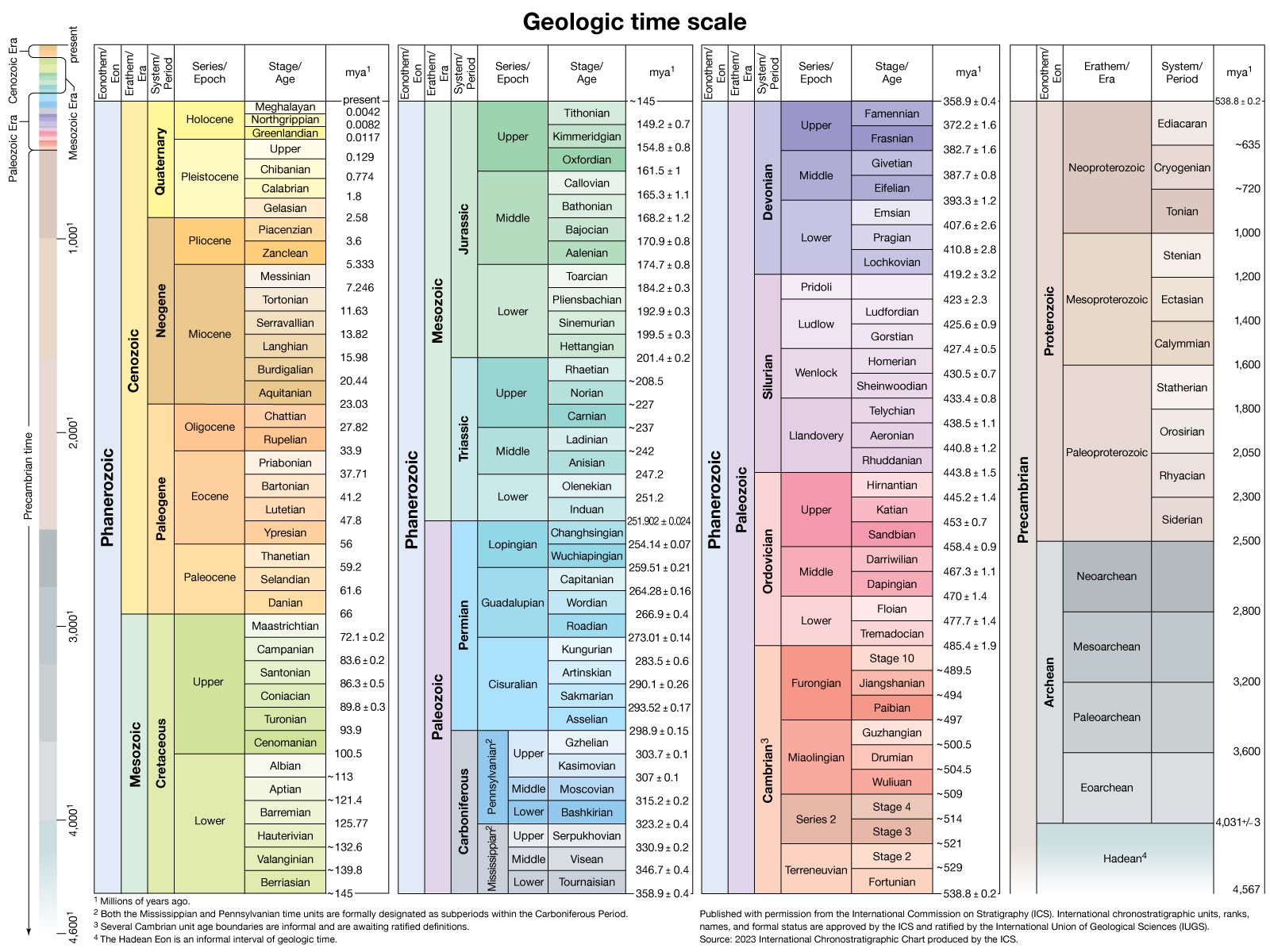
- Reproductive Strategies: The study of these fossils provides insight into the evolution of pollination. Evidence suggests that many cycadeoid cones remained closed at maturity, implying a reliance on self-pollination. Some scientists theorize that this limited reproductive strategy, potentially leading to inbreeding, contributed to their eventual extinction during the Cretaceous Period.2
- Morphological Adaptation: Their “armoured” trunks, covered in persistent leaf bases, illustrate evolutionary responses to environmental pressures, such as herbivory, during the Mesozoic Era.21
Sources
- Cycadeoidophyta — Encyclopædia Britannica
- Cycadeoidea — Encyclopædia Britannica
- cycadophyte — Encyclopædia Britannica
- Bennettitales — Merriam-Webster
- Bennettitaceae — Merriam-Webster
- cycadophyte - Cycadeoids — Encyclopædia Britannica
- palynology — Encyclopædia Britannica
- Morphology - Chemical techniques — Encyclopædia Britannica
- gymnosperm - Evolution and paleobotany — Encyclopædia Britannica
Published on · 3 min read