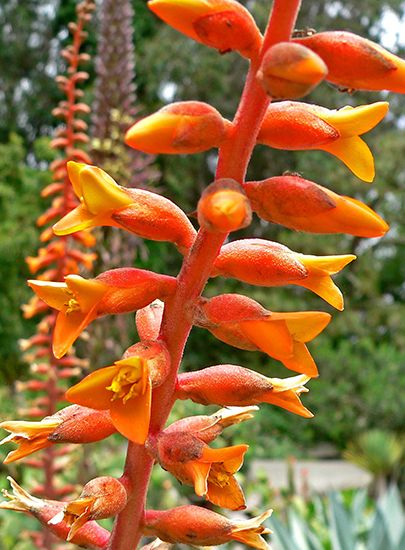
Ceylon Ironwood
Ceylon ironwood (Mesua ferrea) is a tropical tree belonging to the Calophyllaceae family. It is native to the wet evergreen forests of India, Indochina…
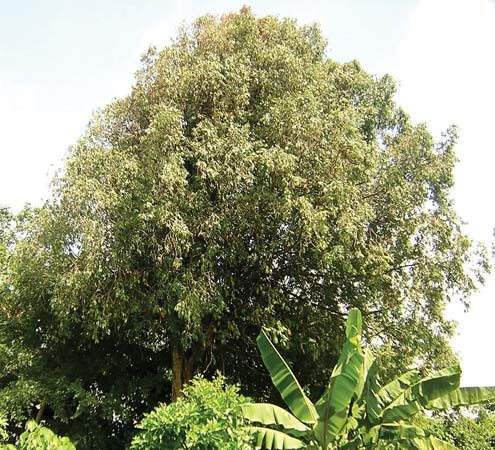
What is Ceylon ironwood?
Ceylon ironwood (Mesua ferrea) is a tropical tree belonging to the Calophyllaceae family. It is native to the wet evergreen forests of India, Indochina, Malaysia, Myanmar, the Philippines, Sri Lanka, and Sumatra, and it serves as the national tree of Sri Lanka.1
This slow-growing species can reach heights of 18 metres (60 feet) or more. It is widely cultivated for its aesthetic appeal, characterized by shining green, willowy foliage that appears scarlet when young, and fragrant white flowers featuring four petals and numerous yellow stamens. The plant produces a wrinkled fruit capsule containing one or two seeds. Beyond its ornamental value, the seeds are edible when properly cooked, and both the seeds and flowers are utilized in local traditional medicine.1
Why is the Ceylon ironwood the national tree of Sri Lanka?
While the Ceylon ironwood (Mesua ferrea) is officially recognized as the national tree of Sri Lanka, the provided search results do not specify the historical or cultural reasons behind this designation.1
It is important to distinguish the ironwood from other national symbols of the country. For instance, the flag of Sri Lanka features leaves from the bo tree, which were incorporated to represent the influence of Buddhism and its four virtues of kindness, compassion, joy, and equanimity. While the ironwood is a significant native species valued for its aesthetic beauty and traditional medicinal uses, its specific selection as the national tree is not detailed in the available records.21
What are some other trees known for their medicinal properties?
Throughout history, many trees have been utilized for their medicinal properties, providing natural compounds that have shaped both traditional healing and modern pharmacology.
Historically Significant Medicinal Trees
- Quinine-yielding trees: Native to the Andes, these trees provided the original treatment for malaria.3
- Willow (Salix): The bark of the willow tree contains the primary ingredient used to create [aspirin].3
- Yew (Taxus): The bark of the yew tree was the original source of Taxol, a medication used in the treatment of several types of cancer.3
- Neem (Azadirachta indica): Found in Indo-Malaysia, the bark of this tree is known for its astringent properties and is also used to produce natural insecticides.4
- Curry tree (Murraya koenigii): Leaves and oils from this plant are studied for potential antibiotic and antifungal properties, as well as their role in reducing risks associated with heart disease and diabetes.5
Trees and Tannins
Many woody plants contain tannins, which are phenolic compounds valued for their astringent and styptic properties. These are often extracted from the bark or galls of trees such as the oak, chestnut, and mangrove. Tannin-rich extracts have been used to treat conditions like tonsillitis, hemorrhoids, and diarrhea.6
Sacred and Traditional Medicines
In many Indigenous cultures, specific plants—including cedar and sage—are revered as sacred medicines. Cedar is frequently used to make tea for its restorative and infection-fighting properties, while sage leaves are used in poultices to treat swelling, sprains, and external bleeding.7
How do tropical evergreen forests differ from other forest types?
Tropical evergreen forests, most notably tropical rainforests, are distinguished from other forest types primarily by their climatic requirements, structural complexity, and leaf retention strategies.
Climatic and Structural Differences
Unlike deciduous forests, which are defined by seasonal shedding of leaves in response to cold winters or dry periods, tropical evergreen forests thrive in equatorial regions where temperatures remain high and rainfall is abundant and evenly distributed throughout the year. Because there is no cold or dry season to inhibit growth, these forests maintain a dense, complex, and multi-layered canopy year-round.8910
Leaf Characteristics
The term evergreen refers to plants that retain their foliage throughout the year and into the following growing season. In tropical rainforests, these are typically broad-leaved species. This contrasts with:119
- Coniferous forests: Dominated by needle-leaved evergreens adapted to cool, high-latitude climates.911
- Deciduous forests: Composed of trees that shed their leaves to conserve energy during stressful periods, such as winter or a pronounced dry season.1210
Soil and Nutrient Cycling
While deciduous forests often grow on fertile soils, tropical rainforest soils are typically deep but nutrient-poor. High rainfall leads to the leaching of minerals, forcing most tree roots to concentrate in the uppermost soil layers to capture nutrients released by the rapid decomposition of organic litter. In contrast, temperate forests often feature richer, more stable soil profiles.812
Sources
- Ceylon ironwood — Encyclopædia Britannica
- flag of Sri Lanka — Encyclopædia Britannica
- Did you know? — Merriam-Webster
- four sacred medicines — Encyclopædia Britannica
- tannin — Encyclopædia Britannica
- curry tree: Top Questions — Encyclopædia Britannica
- Sapindales - Meliaceae — Encyclopædia Britannica
- Tropical rainforest - Environment — Encyclopædia Britannica
- Forest — Encyclopædia Britannica
- Temperate rainforest — Encyclopædia Britannica
- evergreen — Encyclopædia Britannica
- Tropical dry forest — Encyclopædia Britannica
- Temperate forest - Environment — Encyclopædia Britannica
- Deciduous forest — Encyclopædia Britannica
Published on · 3 min read