Channel Islands
The Channel Islands, which have been dependencies of the British Crown since the Norman Conquest of 1066, possess a unique cultural identity shaped by their…
What are some of the main cultural and linguistic characteristics of the Channel Islands?
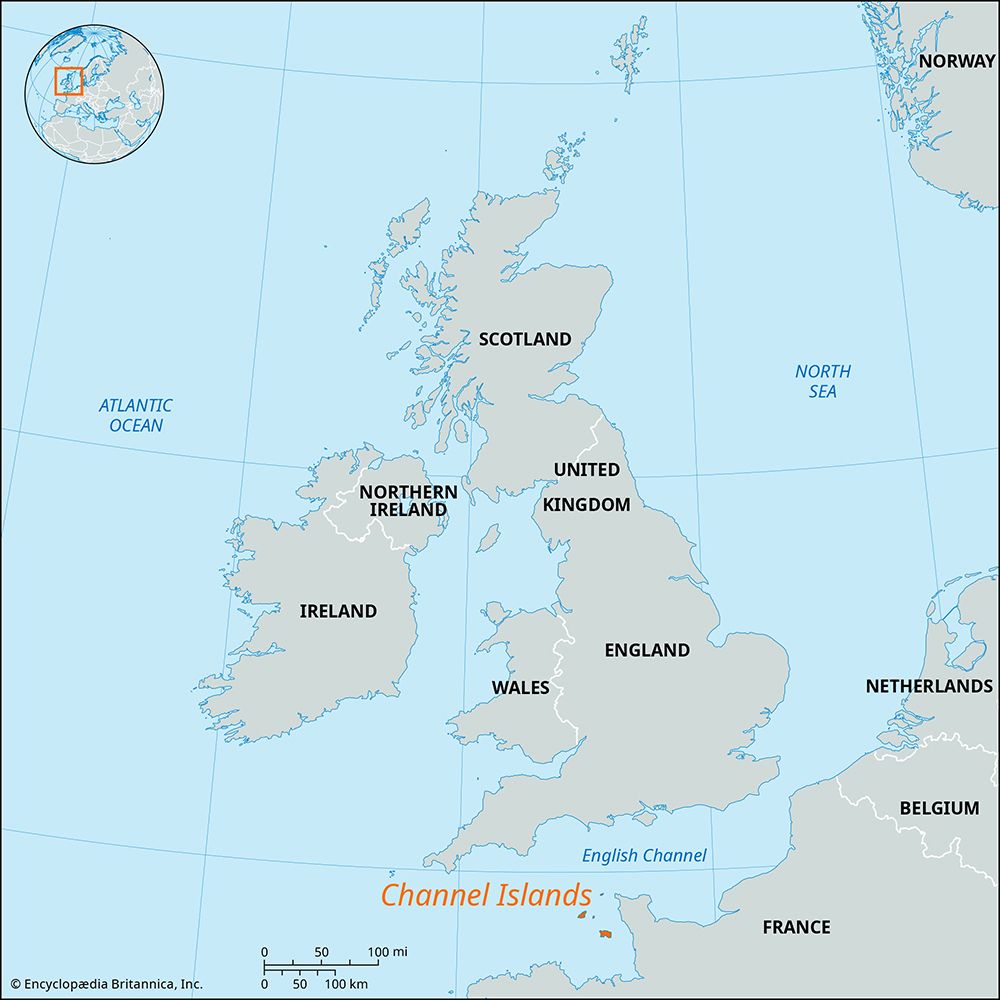
The Channel Islands, which have been dependencies of the British Crown since the Norman Conquest of 1066, possess a unique cultural identity shaped by their history as part of the duchy of Normandy.
Linguistic Characteristics
While English is the primary language used for governmental and judicial proceedings, the islands maintain a connection to their Norman heritage. A Norman-French patois survives, though its usage is in decline. In Guernsey, a small number of residents still speak a version of this language known as Guernésiais as their first language.
Cultural and Historical Context
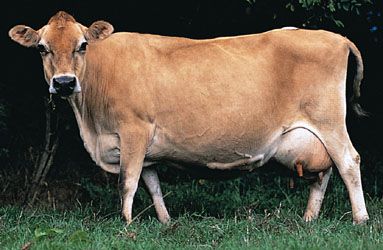
The islands’ inhabitants are primarily of Norman descent, with an admixture of Breton. Their legal and administrative systems remain distinct, often reflecting medieval origins; for instance, the Royal Courts in both Jersey and Guernsey continue to administer laws based on the custom of Normandy and local usage. Additionally, the islands are culturally noted for their traditional agricultural exports, including specific breeds of cattle, and their history of resilience during the German occupation in World War II.
How do the Channel Islands contribute to biodiversity and marine ecosystems in the region?
The term “Channel Islands” refers to two distinct archipelagos, both of which play significant roles in their respective marine ecosystems.
Channel Islands (California, U.S.)
The Channel Islands off the coast of southern California are renowned for their high levels of biodiversity, featuring hundreds of plant and animal varieties, including many indigenous and endemic species.1
- Marine Life: The islands serve as critical breeding grounds for the California sea lion, various species of seals, and a wide array of seabirds.1
- Conservation: To protect these environments, the Channel Islands National Park was established in 1980. The park encompasses both land and surrounding waters, extending one nautical mile from the shore of each island to safeguard the marine habitat.1
- Ecological Challenges: The region has faced environmental threats, such as the 1969 oil spill in the Santa Barbara Channel, which caused significant ecological damage to the northern islands.1
Channel Islands (English Channel)
The Channel Islands located in the English Channel are characterized by a mild maritime climate and reef-strewn coasts. While they are primarily recognized for their agricultural contributions, such as the breeding of Jersey cattle and the use of seaweed (vraic) as fertilizer, they also host the Jersey Zoological Park. Founded in 1959 by naturalist Gerald Durrell, this institution is dedicated to the protection of animals in danger of extinction.25
Are there any notable historical or archaeological sites on the Channel Islands?
The Channel Islands in the English Channel are rich in historical and archaeological significance, reflecting their long occupation and strategic importance.
Archaeological Sites
- La Cotte de St. Brelade (Jersey): This site is notable for providing evidence of Paleolithic (Old Stone Age) human habitation. The islands also contain abundant evidence from the Neolithic Period and the Bronze Age.1
Historical Sites and Landmarks
- Royal Courts: Both Jersey and Guernsey possess Royal Courts that have survived in a form reflecting their medieval origins, continuing to administer laws based on the custom of Normandy and local usage.15
- Victor Hugo’s Residence (Guernsey): The house in St. Peter Port where the French author Victor Hugo lived during his exile from 1855 to 1870 has been preserved as a museum.5
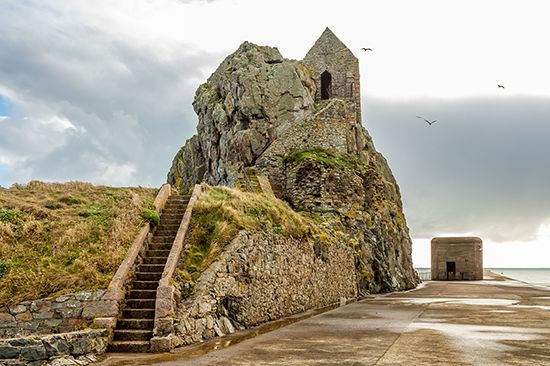
- World War II Heritage: As the only British territory occupied by German forces during World War II, the islands feature various sites and remnants associated with the occupation, which lasted from 1940 to 1945.215
How did the Channel Islands’ history differ from mainland Britain during World War II?
The Channel Islands’ experience during World War II was unique because they were the only British territory to endure German occupation. While mainland Britain remained under British control throughout the conflict, the islands were occupied by German forces from late June 1940 until their surrender in May 1945.13
In anticipation of the invasion, the islands underwent a significant demographic shift. Approximately 30,000 of the islands’ 104,000 residents evacuated to England before the German forces arrived. This period of occupation fundamentally distinguished the islands’ wartime history from that of the rest of the United Kingdom, as the residents who remained lived under direct enemy administration for nearly five years.13
Sources
- Channel Islands — Encyclopædia Britannica
- Jersey — Encyclopædia Britannica
- Guernsey — Encyclopædia Britannica
- Normandy — Encyclopædia Britannica
- Channel Islands — Encyclopædia Britannica
- Channel Islands — Merriam-Webster
Published on · 3 min read